


Perseus Ready for Arrival: Runway Preparations, New Infrastructure, and Ongoing Science
As the Perseus International Airfield opens for incoming team mebers and scientists, operations at Princess Elisabeth Antarctica move full steam ahead for logistics, infrastructure, and science.
As the Perseus International Airfield opens for incoming team mebers and scientists, operations at Princess Elisabeth Antarctica move full steam ahead for logistics, infrastructure, and science.
At Perseus International Airfield, using Prinoth tractors and bulldozers, four team members, including BELARE Expedition Leader Alain Hubert, have successfully groomed the full three-kilometre runway on blue ice. With this work completed, the runway is officially open and ready for the arrival of ten new team members and three scientists on Friday, December 19th.
However, there is still more work to be done at Perseus. The hangar at the airfield still needs to be cleared of snow so that the incoming crew can wait there comfortably before continuing their journey to Princess Elisabeth Antarctica (PEA). Of course, as new members of our team are about to arrive, it also marks the conclusion of the season for eight others who have been here since November 12th and are now preparing to depart Antarctica. At the station, preparations are in full swing, with teams completing tasks and handing over responsibilities.
On Wednesday, departing team members drove to Perseus with the Toyota Hilux. These vehicles are now at Perseus waiting to return fully loaded with the incoming people and cargo to PEA, a journey of 60 kilometres that covers nearly 640 metres in elevation (from 760 m to 1,400 m altitude). Until then, the prepared hangar at Perseus is serving as the control tower for the plane and as a temporary base for both departing and arriving team members.
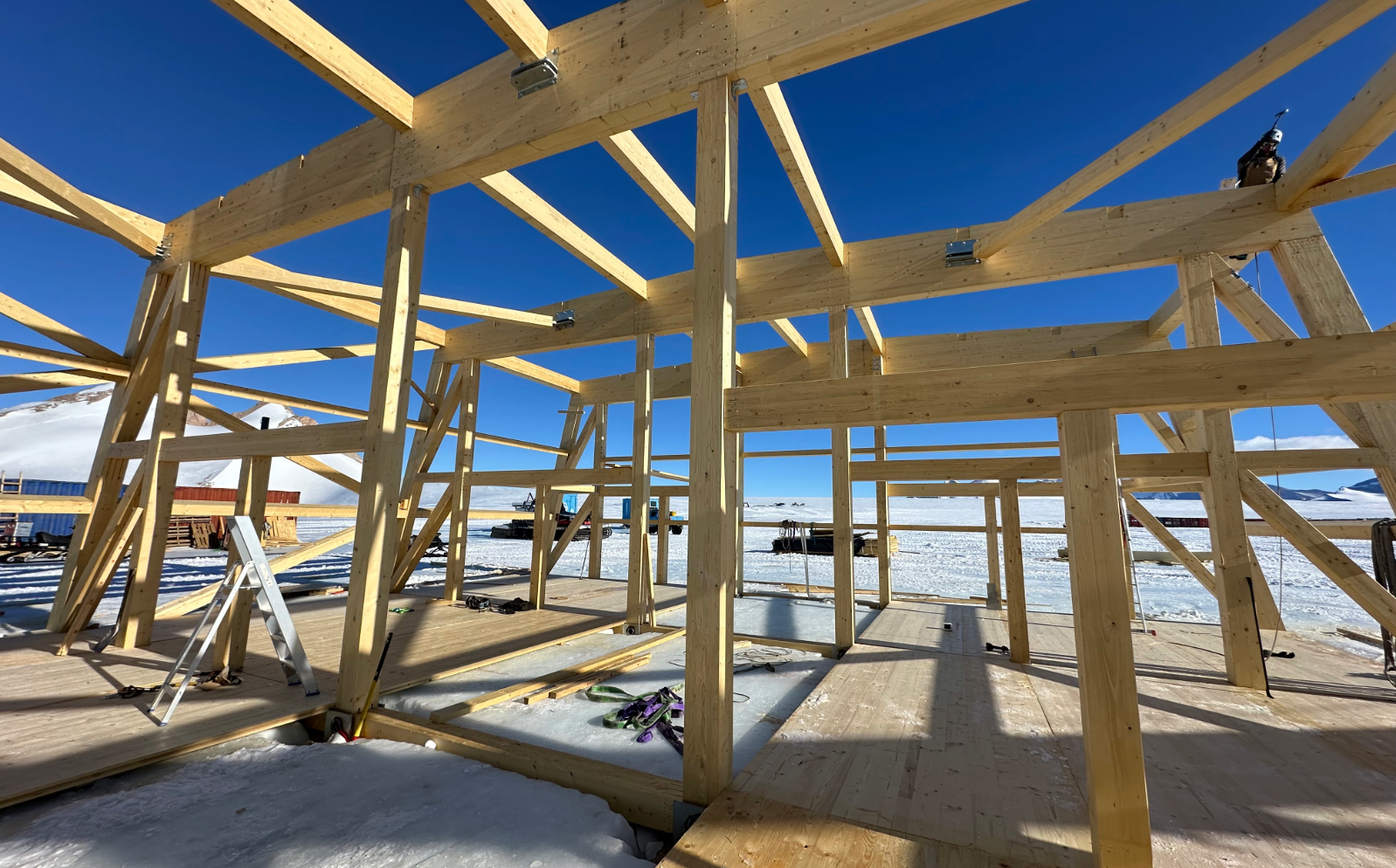
Meanwhile, construction work at the Winter Park has reached a major milestone. A team of four has completed the second wooden hangar, which has been under construction since the beginning of the season. The new structure will allow scientific equipment, tools, and building materials to be stored safely and efficiently, replacing the rows of containers currently standing on the blue ice field. Thanks to this additional storage space, surplus containers can now be shipped back to Cape Town. Consistently favourable weather conditions this season have allowed the team to work nearly every day and finish the project ahead of schedule.
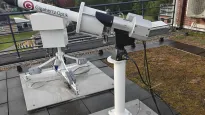
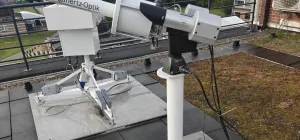
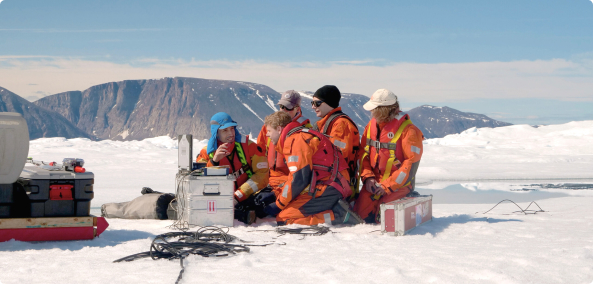
Scientific work also continues across several projects. On the Antarctic Plateau, Henri Robert and Nicolas Herinckx carried out a new series of high-precision GPS measurements for the BELSPO-funded FROID project. They used a precise positioning technique composed of a fixed GNSS antenna and a mobile unit (identified as “the rover”). Together, these two instruments achieve centimetre-level resolution, allowing the team to track ice movement very precisely when compared to measurements taken last year. This work now completes this season’s field activities for FROID and provides a solid baseline for comparing data from future scientific campaigns in this area.
Back at PEA, Simon is focusing on troubleshooting the CNR4 net radiometer removed from AWS RBI as part of the PEACE project. He and Nicolas, who had visited RBI, were unhappy with the instrument’s readings. After some troubleshooting in the field, they decided the best option was to remove it and bring it back to PEA for further testing, because inaccurate data can be problematic in the long run. A new custom plug has been configured to connect the instrument to a data logger, and initial tests are proving promising. The team is planning to return to the AWS and reinstall the CNR4 instrument in the coming weeks but must once again traverse nearly 200 kilometres from PEA to the King Baudouin Ice Shelf. Reinstalling the instrument remains essential for ensuring reliable radiation measurements.
The upcoming coastal mission will also support the NISAR project. The team will bring a new 12V battery to replace the drained power supply of one of the installed ApRES radar units, which is located just below the grounding line, roughly 40 kilometres away from the AWS. These ApRES radars actively scan down through the entire ice shelf, measuring changes in ice thickness and indicating melt from below at the ice–ocean interface. These measurements are most valuable during the warmest months, so the team is eager to return to this location with a new power supply and resume data collection as soon as possible. These ground-based radar and GNSS measurements play a key role in complementing satellite observations from the NISAR mission and improving our understanding of ice shelf dynamics, which remain one of the biggest question marks in climate models. We are hopeful this work will help reduce some of that uncertainty.
With the start of austral summer just around the corner, motivation remains high to keep checking boxes off the to-do list almost as quickly as new tasks are added. The team is looking forward to finding a few quiet hours around Christmas to celebrate as a group. Although far away from loved ones, spirits remain high. Stay tuned to discover how science, logistics, and a touch of holiday spirit come together at Princess Elisabeth Antarctica Station!
Download