


A Successful Season for Scientists!
After one month in Antarctica collecting samples and data at the Princess Elisabeth and in the field, the scientists who came to the station this season will be departing on the next flight along with several members of the crew.
After one month in Antarctica collecting samples and data at the Princess Elisabeth and in the field, the scientists who came to the station this season will be departing on the next flight along with several members of the crew.
Time flies when you’re busy doing fieldwork in Antarctica. Only a month ago, the newly arrived scientists were settling in at the station and starting their mandatory field training. Now, after several productive weeks at the station and in the field, including setting up and doing maintenance on instruments at PEA for the ROMA, SnowFlux and PASPARTOUT projects, as well as field expeditions for the PASPARTOUT, PEACE and NISAR projects, it’s time for Sarah Wauthy, Michel Van Roozendaell, Rainette Engberg, and Simon Steffen to head home.
Joining the scientists on their trip home are several crew members whose shift at the station is up, including field guide Sebastien Corret, heavy machinery operator Stanislas Perneet, electrician Johan De Muylder and IT specialist Adrien Brogniet.
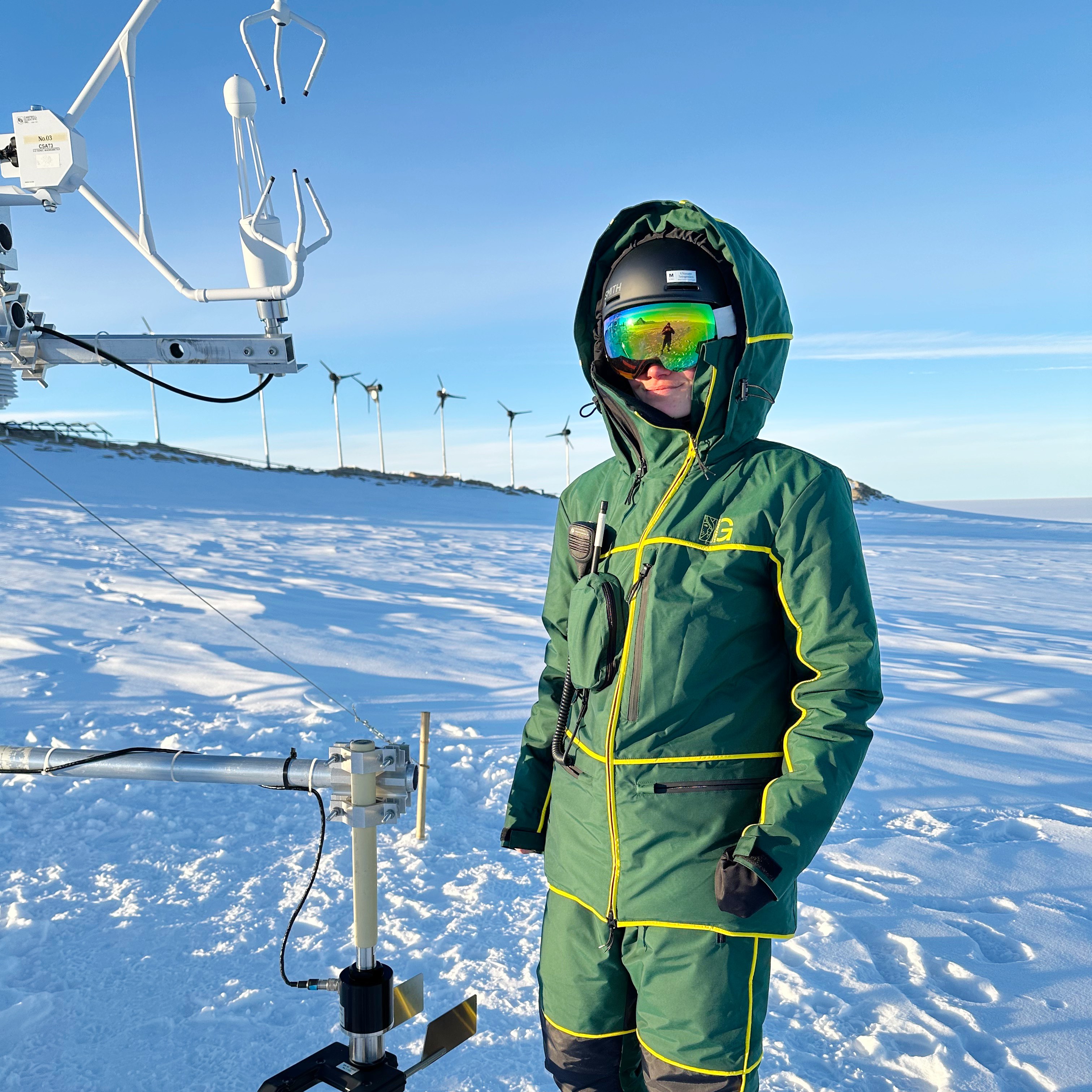
But not all went according to schedule, as is often the case in Antarctica. After a very calm austral summer weather-wise, the first relevant katabatic winds of the season have delayed their scheduled departure by a few days. On the bright side, as weather conditions became much windier in the days leading up to her departure, Rainette Engbers was excited to see the blowing and drifting snow as she has just installed a new instrument, the MRR radar, which was specifically deployed to monitor what happens to these blowing snow clouds that are transported by large scale wind events.
Waiting for the ship
Meanwhile, expedition leader Alain Hubert, and members of the team, including Tim, Jacques, Yann and Tom have been busy preparing for the arrival of the cargo ship, which has also been delayed near the coast due to stormy conditions. They’ve been keeping a watchful eye on the snow and ice samples Dr. Sarah Wauthy took this season for the PASPARTOUT project, which will be transported back to Belgium on the cargo ship as soon as it arrives at the offloading location.
If all goes according to plan, the ship should arrive in the coming days, after which Alain, and the unloading team will traverse back to PEA with all the bulky cargo and various equipment that is delivered with the ship. This includes 192 offgrid station batteries that represent the pulse of the Princess Elisabeth Antarctica. Each battery weighs 80 kilograms. Looking at the full life cycle of our system, lead acid batteries were chosen for their good fire safety properties and their complete recyclability once they are retired.
Large turnout for “Live from Antarctica 2.0”
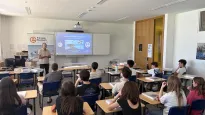
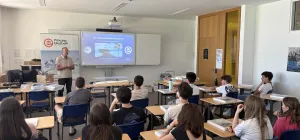
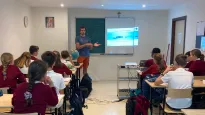
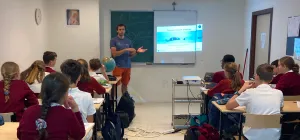
Before leaving, the scientists and several engineers at the station contributed to the “Live from Antarctica 2.0” webinar on January 15th, organized by CU Boulder, CIRES, INSTAAR, Boulder Faculty Assembly Climate Science and Education Committee, Dept of ENVS, Dept of THTR, MeCCO, and the International Polar Foundation. Along with a live broadcast directly to several dozen students in a classroom at CU Boulder in Colorado, the webinar also welcomed more than 100 attendees online.
The webinar began with the station’s engineers talking about the renewable energy production and water treatment facilities at PEA. This was followed by the presentations from Simon, Rainette, Michel and Sarah about the PEACE, SnowFlux, ROMA and PASPARTOUT projects respectively. Inquisitive attendees were able to ask questions via the chat online and live from the classroom at CU Boulder.
We’ll share the link to re-watch the video clip when it’s ready on our YouTube channel.
In the coming days and weeks we’ll also post a few interviews with the scientists about their work this season. Keep an eye on our website and YouTube channel to learn more about the fascinating research they’re doing!
Download