


“22nd Century” Polar Research Station Will Be Focus of First Antarctic Futures Symposium in Luxembourg
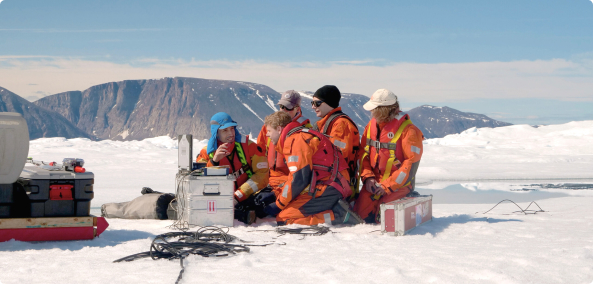
The International Polar Foundation (IPF), the Luxembourg Institute of Science and Technology (LIST), and the House of Sustainability at the Luxembourg Chamber of Commerce will convene the first Antarctic Futures Symposium on April 23rd - 24th, 2026 at the Luxembourg Chamber of Commerce. It will mark a significant milestone in the development of the IPF’s next ambitious flagship initiative: the establishment of the Andromeda Earth Observatory in East Antarctica.
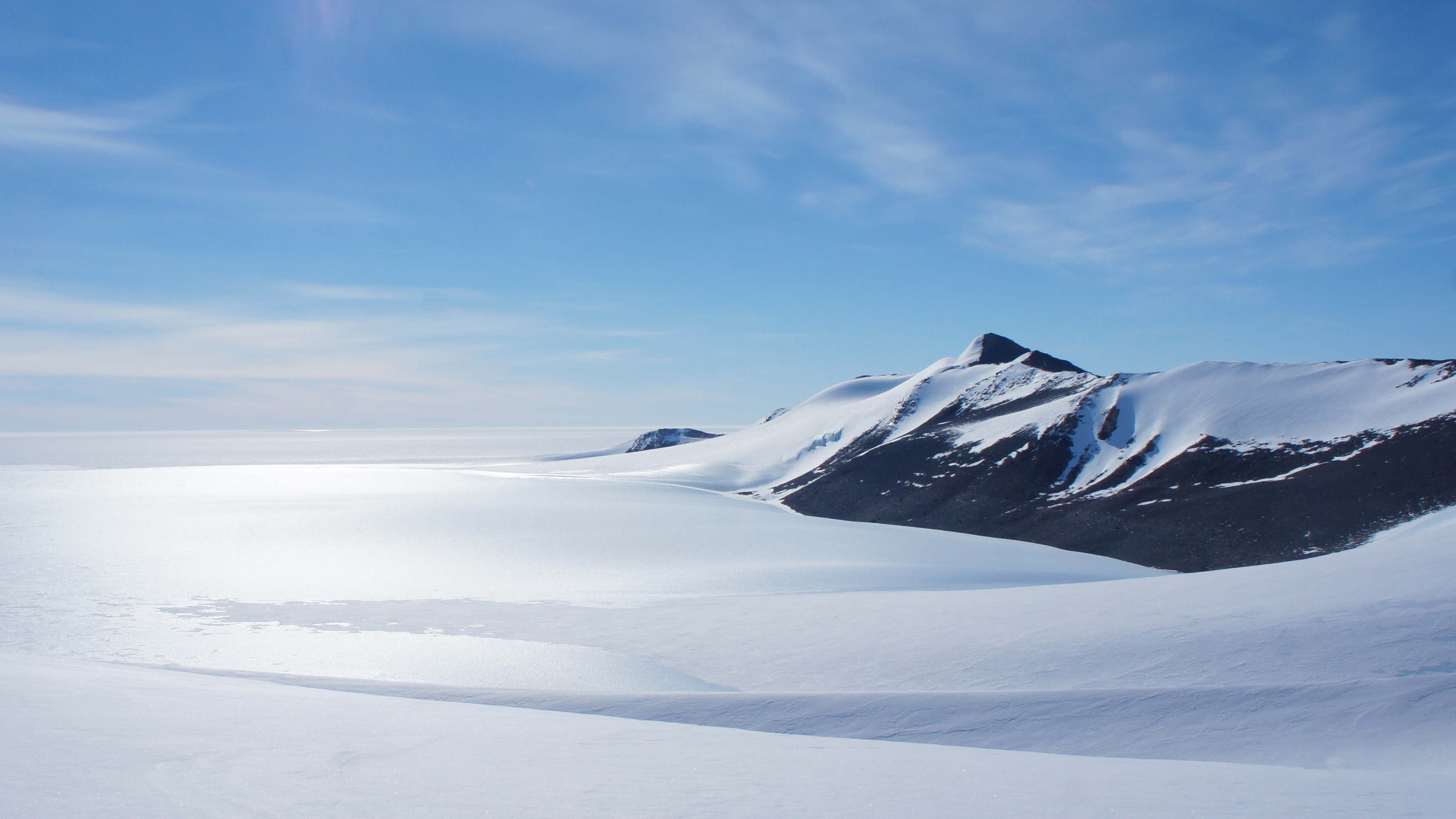
The International Polar Foundation (IPF), the Luxembourg Institute of Science and Technology (LIST), and the House of Sustainability at the Luxembourg Chamber of Commerce will convene the first Antarctic Futures Symposium on April 23rd - 24th, 2026 at the Luxembourg Chamber of Commerce. It will mark a significant milestone in the development of the IPF’s next ambitious flagship initiative: the establishment of the Andromeda Earth Observatory in East Antarctica.
The first edition of the Antarctic Futures Symposium will bring together leading scientists, government representatives, and industry experts specialised in sustainability, circularity, and space. The one-and-a-half day event will serve as a platform to define and consolidate the scientific vision of the Andromeda Earth Observatory while fostering collaboration between partners, laying the foundations for building a robust, internationally supported zero-emission research station.
The event will be free of charge and open to the general public (registration required).
Andromeda: polar research station of the 22nd century
“The Andromeda Earth Observatory represents a bold step forward in polar research infrastructure,” according to Founder and President of the International Polar Foundation, Alain Hubert. “Envisioned as the polar research station of the 22nd century, the Andromeda Earth Observatory will be a unique zero-emission research platform that will be the first of its kind.”
An organisation whose main goal is to support polar science, the IPF aims to build the Andromeda Earth Observatory during the 5th International Polar Year 2032–33, improving on the zero-emission concept of the Princess Elisabeth Antarctica, the first zero-emission polar research station the IPF designed and built during the 4th International Polar Year 2007-09, and now operates under a mandate from the Belgian Polar Secretariat.
“Andromeda will be an internationally-managed research station, advancing our understanding of Antarctica’s evolution and its critical influence on the global climate system," explained Professor Eric Rignot from the University of California Irvine, who leads the Scientific Advisory Committee for the Andromeda project. “Countries that currently have little or no research infrastructure in Antarctica are especially welcome to join the project.”
- Andromeda seeks to be a space analogue station testing advanced technologies and materials.
- Andromeda will host an Antarctic university hub, providing both shared and dedicated infrastructure for universities and research institutes from international partners.
- Andromeda will house a dedicated Research and Development centre - a living laboratory for sustainable solutions that will allow young engineers to experiment with energy systems, automation, closed-loop water and waste cycles, smart grids, advanced materials, alternative fuels for mobility, and space agriculture, with the emphasis being on autonomy and resilience.
- Andromeda will host advanced satellite link infrastructure for the rapid repatriation of data collected from the station and from the field thanks to evolving satellite link technology which will increase data rates and reduce energy consumption and costs. The data management set up will also include low-cost data centres, with heat capture re-used in the station’s infrastructure.
The Luxembourg Institute of Science and Technology (LIST) will be a key contributor to the new project.
“As an interdisciplinary research centre, LIST is eager to support the Andromeda project and to contribute to testing and deploying innovative solutions that advance the vision of a zero-emission station, especially in the areas of sustainable materials, energy management, life-support systems and environmental research,” stated Prof. Dr Olivier Guillon, CEO of LIST.
A platform for global collaboration
The Antarctic Futures Symposium will also be an opportunity to allow international partners from industry, academia and the public sector to explore collaborations across disciplines and technologies, creating new possibilities for truly innovative initiatives. The symposium will also be an opportunity for Luxembourg in particular to showcase its know-how.
According to Carlo Thelen, CEO and Director General of the Luxembourg Chamber of Commerce:
“The Antarctic Futures Symposium represents a unique opportunity for Luxembourg-based companies to position themselves at the forefront of sustainable innovation and advanced technologies. By engaging with this forward-looking international initiative, businesses can explore concrete collaboration opportunities across key sectors such as engineering, construction, advanced materials, logistics and data systems, while connecting with leading stakeholders from research, industry and the public sector. This initiative also enables companies to anticipate emerging markets driven by energy autonomy, circular systems, green mobility and space-analogue technologies.”
2050 documentary screening - future-proofing climate
On the afternoon of Friday, April 24th, there will be a screening of the documentary film 2050 by Belgian production company Bargoens at Kinepolis Kirchberg (registration required).
The documentary follows historical and modern activities in Antarctica and Greenland as the protagonists look to find answers to the questions concerning the evolution of the climate in the next 25 years.
The filmmakers follow the stories of IPF Founder and President Alain Hubert, Professor Eric Rignot from the University of California Irvine, scientist Simon Steffen and the granddaughter of the famous Belgian Explorer Adrien de Gerlache, Hélène de Gerlache de Gomery. The film focuses on the importance of taking action on climate change before we lose the polar regions to a warming atmosphere and ocean.
Practical details
The Antarctic Futures Symposium: The Andromeda Earth Observatory will take place on Thursday, April 23rd and Friday, April 24th at the Luxembourg Chamber of Commerce, located at 7 Rue Alcide de Gasperi, 1615 Kirchberg Luxembourg.
More details about the event, including confirmed speakers, a draft programme and how to register can be found on the symposium website.
2050 screening at Kinepolis Kirchberg will take place on Friday, April 24th at Kinepolis Kirchberg, located at 45 Avenue John F. Kennedy 1855 Luxembourg. Doors will open at 5:00 pm and the screening of the film will start at 5:30 pm. Q & A with the stars of the film Alain Hubert, Eric Rignot, and Simon Steffen will follow the film at 7:30 pm.
More details about the screening and how to register to get free tickets can be found on the symposium website.
Download