


Antarctic Futures Symposium Draws Strong Interest and Marks Major Success
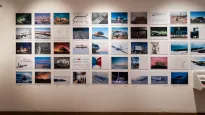
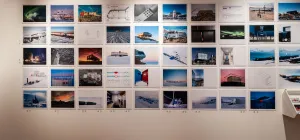
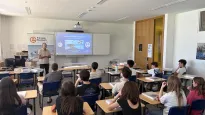
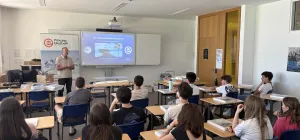
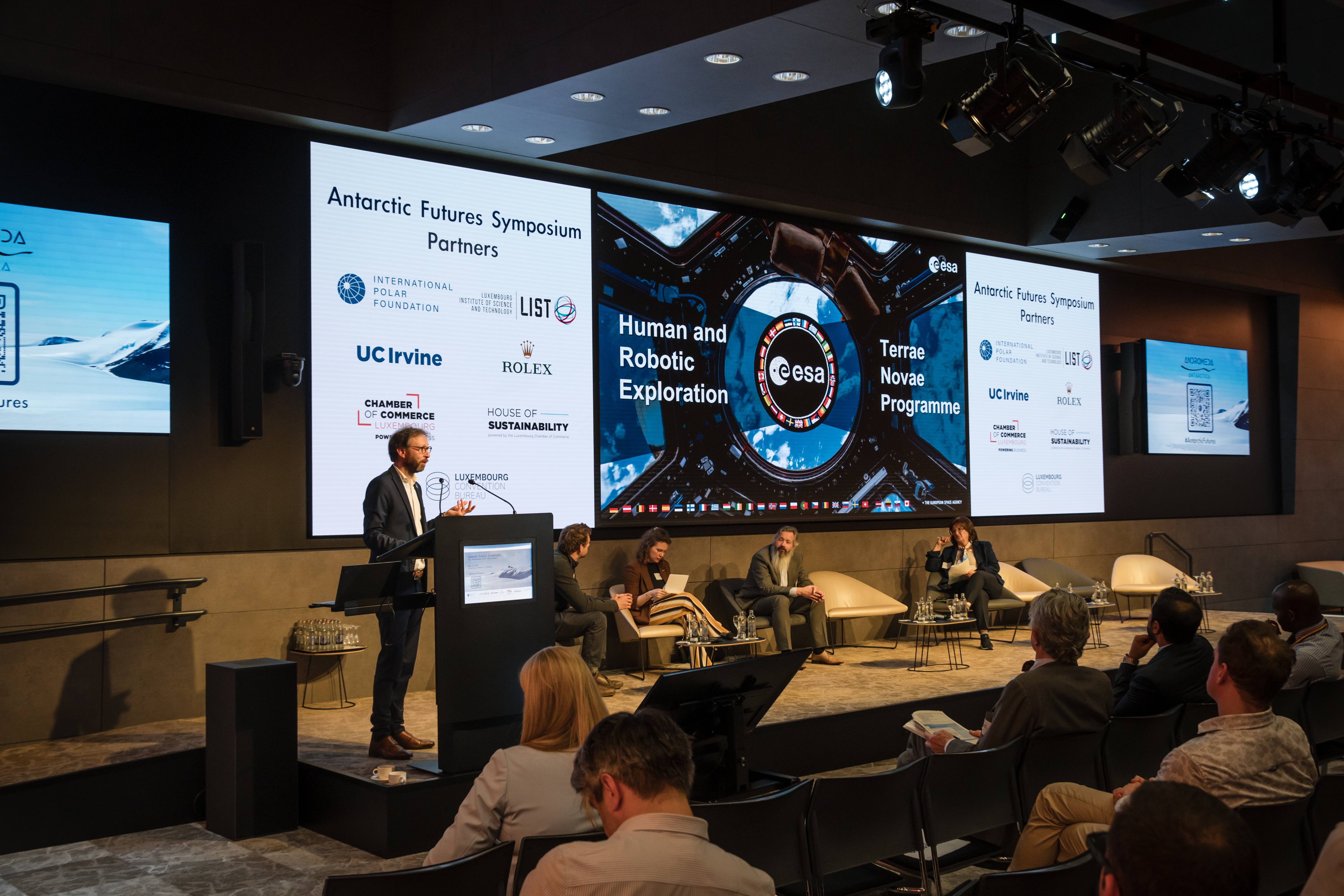
The first Antarctic Futures Symposium, held on April 23–24 at the Luxembourg Chamber of Commerce, proved to be a major success.
The first Antarctic Futures Symposium, held on April 23–24 at the Luxembourg Chamber of Commerce, proved to be a major success.
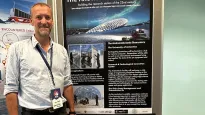
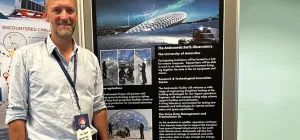
The event, co-organised by the Luxembourg Institute of Technology, UC Irvine, Rolex, the House of Sustainability at the Luxembourg Chamber of Commerce, and the Luxembourg Convention Bureau, brought together leading scientists, industry experts, representatives from the governments of Belgium and Luxembourg, as well as delegates from the European Space Agency and DG DEFIS. Together, they explored the vision for a next-generation zero-emission polar research station: the Andromeda Earth Observatory.
A Focus on vision and collaboration
The symposium opened with welcoming remarks from Carlo Thelen, Director General of the Luxembourg Chamber of Commerce, and Luxembourg’s Minister of Economy, Lex Delles.
The first session introduced the Andromeda Earth Observatory project, led by three key figures: Alain Hubert, Founder and President of the International Polar Foundation; Eric Rignot, Professor of Earth System Science at the University of California, Irvine, and head of the Scientific Advisory Committee; and Olivier Guillon, CEO of the Luxembourg Institute of Science and Technology (LIST).
Further presentations highlighted the broader geopolitical and environmental context. Belgium’s Special Envoy for the Polar Regions addressed the strategic importance of polar areas, while Nighat Amin, Co-Founder of the International Polar Foundation and Head of Environmental and International Affairs, outlined the Antarctic Treaty System and the importance of international cooperation.
Industry, science, and space pespectives
The remainder of the first day featured a series of panels and presentations, including:
- Insights from industrial partners and engineers involved in building the Princess Elisabeth Antarctica station—the world’s first zero-emission polar research station inaugurated in 2009—and what will be needed for the Andromeda Earth Observatory
- Presentations from members of the Scientific Advisory Committee about their current research priorities
- Perspectives from European space sector stakeholders, as repatriation of data will be part of Andromeda’s mission.
Working group deep dives
- On the second day of the sympsoium, participants split into five working groups to explore key aspects of the project in greater depth:
- Professor Eric Rignot from UC Irvine, led the Science Advisory Committee in discussing an overarching science plan for the Andromeda Earth Observatory.
- Åsa Decorte from Samyn and Partners architectural firm moderated a discussion about the building concept for the Andromeda Earth Observatory.
Dries Demey from Redwire led a panel about sustainable food production in Antarctica and the circular design of the Andromeda Earth Observatory. - Nicolas Bayou from the EarthScope consortium led a group of experts in discussing different technologies that can support scientists in their fieldwork in remote and extreme environments.
- Nicolas Herinckx, the engineer in charge of renewable energy production at the Princess Elisabeth Antarctica, moderated a panel on using renewables for energy and transport in Antarctica.
Each group presented its conclusions during a final plenary session, helping to shape the future direction of the Andromeda project.
A powerful film to close the event
The symposium concluded with a public screening of the Bargoens documentary 2050 by Eric Goens and Kristof Van Den Bergh, at Kinepolis Kirchberg. The event was organised with the support of the Institut Grand Ducal Section des Sciences and the Luxembourg non-profit Coup de Pouce.
The film follows Alain Hubert, Eric Rignot, and the International Polar Foundation team during the 2023–24 Belgian Antarctic Research Expedition (BELARE), offering a rare behind-the-scenes look at life and research at the Princess Elisabeth Antarctica station.
It also revisits the historic 1897–99 Antarctic expedition led by Adrien de Gerlache, brought to life through personal accounts from his granddaughter, Hélène de Gerlache de Gomery, and diary excerpts read by Hubert and Rignot.
A particularly moving segment pays tribute to Swiss-American glaciologist Konrad Steffen, known for his pioneering work on automatic weather stations in Greenland and Antarctica. The film highlights how his son, Simon Steffen, continues this legacy by expanding the weather station network around Princess Elisabeth Antarctica.
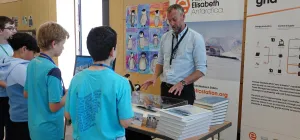
Following the screening, a Q&A session with Alain Hubert, Eric Rignot, and Simon Steffen gave attendees the opportunity to engage directly with the stars of the film. A reception afterward allowed guests to meet them in person and receive commemorative books on the construction of the Princess Elisabeth Antarctica station.
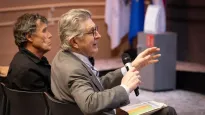
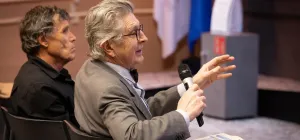
Photo: © Luxembourg Convention Bureau - Anne Lommel Photography
Download