

Princess Elisabeth Antarctica
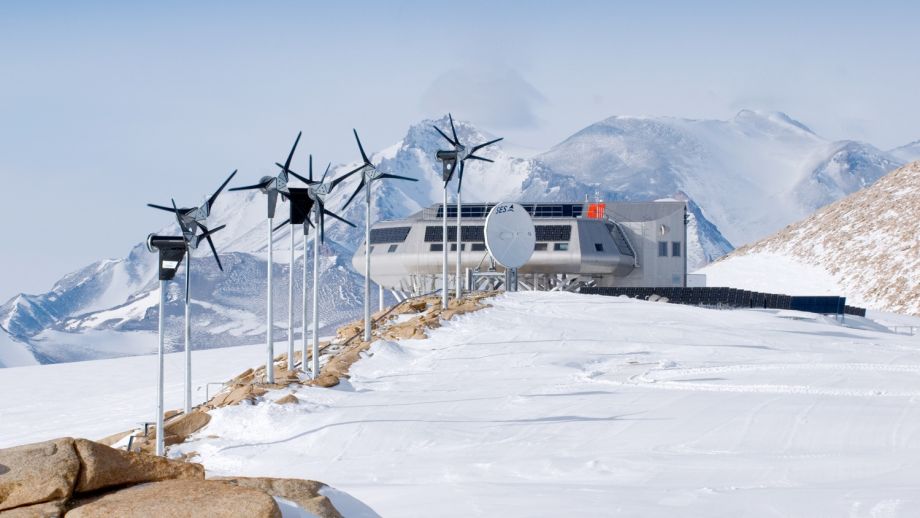
For decades, Antarctica has been home to science and collaboration, bringing together people and nations in an example of preservation governance. The International Polar Foundation proudly heralded the return of a permanent Belgium base on the continent with the first ever “zero emission” research station: Princess Elisabeth Antarctica - completed in February 2009.
Latest News
Project Background
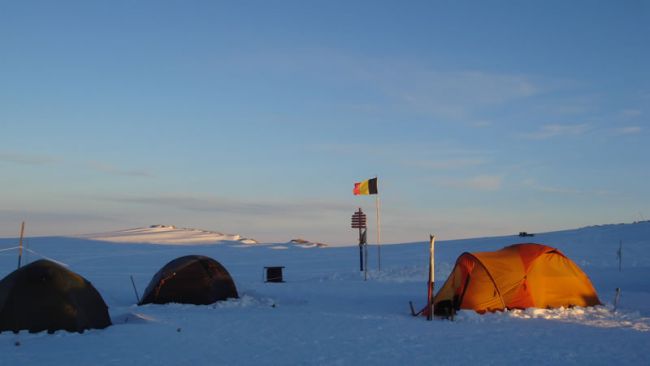
Ever since the days the Belgica in 1898, Belgium has maintained strong ties to the white continent. An original signatory of the Antarctic Treaty, Belgium went on to build the King Baudouin research station, which closed its doors in 1967.
Four decades later, the International Polar Foundation initiated Belgium's return to Antarctica, by conceiving, designing and building the "zero emission" Princess Elisabeth Antarctica research station, as a legacy project of the 2007-2008 International Polar Year.
Design and Construction
Where is Princess Elisabeth Antarctica?
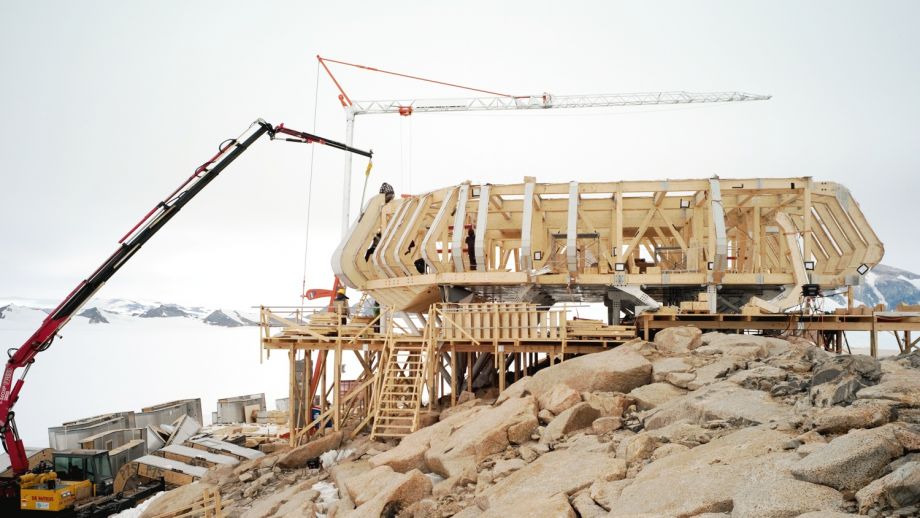
Princess Elisabeth Antarctica is solidly anchored upon the granite ridge of Utsteinen Nunatak, at an altitude is of 1382 metres, in the Dronning Maud Land region of East-Antarctica. The zero emission polar research station, which is approximately 220 Km from the Antarctic coast, is an ideal logistics hub for field exploration in the 20°- 30° E sector of Antarctica.
Facts and Figures
A unique location
Positioned just 200 kilometres from the coast, Princess Elisabeth Antarctica is a gateway to the Sør Rondane Mountains, glaciers and the Antarctic Plateau for scientific projects ranging from microbiology to meteoritics.
Thanks to this unique location, researchers do not need to travel far into Antarctic wilderness to conduct their studies - travel times into the field are minimised.
Challenges and opportunities
Antarctic weather conditions can be harsh; with temperatures ranging between -50°C to -5°C, team members can face serious challenges. However, these cold conditions are not always threats, and in the case of Princess Elisabeth Antarctica, they can prove to be opportunities.
Antarctic katabatic winds, for instance, power the station's wind turbines and provide electricity. The weather does provide challenges however; clearing winter snow accumulation is the Princess Elisabeth Antarctica team's first physical challenge on their arrival to begin the season.
Facilities
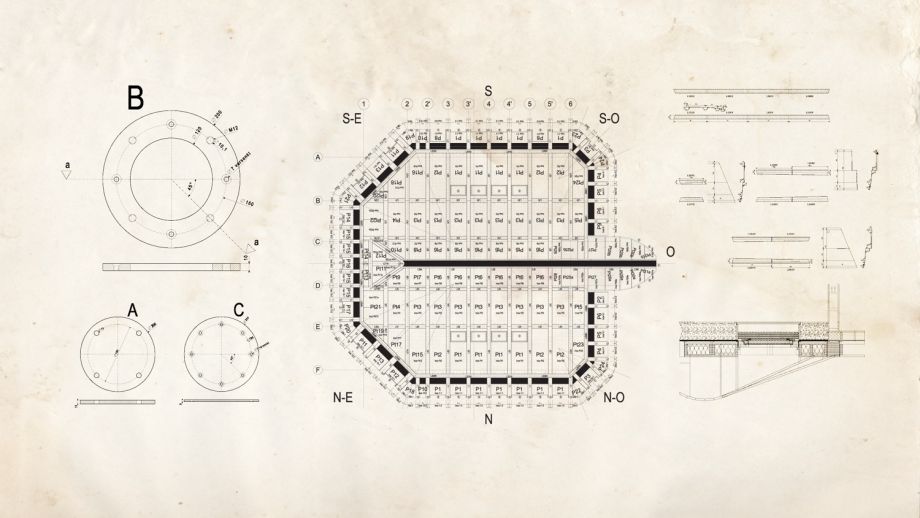
Princess Elisabeth Antarctica is designed to withstand the hardships of the Antarctic winter, but is currently occupied during the Austral summer only (November-February) in almost permanent daylight. However, over the course of its projected 25-year lifetime, the station may be used during the Antarctic winter - and the team would face almost 24-hours of darkness a day.
The station has plenty of space (400m² main building and 1,500m² technical areas) and can comfortably accomodate 25 to 40 people.