


PASPARTOUT
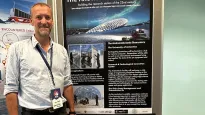
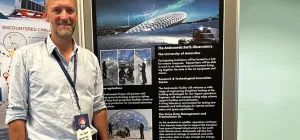
PASPARTOUT is a multidisciplinary atmospheric research project that investigates how particles, moisture and trace gases are transported into East Antarctica and how these processes influence the Antarctic climate. The project brings together researchers from the Royal Meteorological Institute of Belgium (RMI), KU Leuven, Ghent University (UGent) and the Université Libre de Bruxelles (ULB).
Antarctica's atmosphere plays a crucial role in regulating the continent's climate. Atmospheric circulation, clouds, aerosols and the water cycle all influence how heat and moisture are transported across the continent, affecting snowfall, radiation and the stability of the Antarctic ice sheet. However, many of these processes remain poorly understood, particularly in one of the most remote environments on Earth.
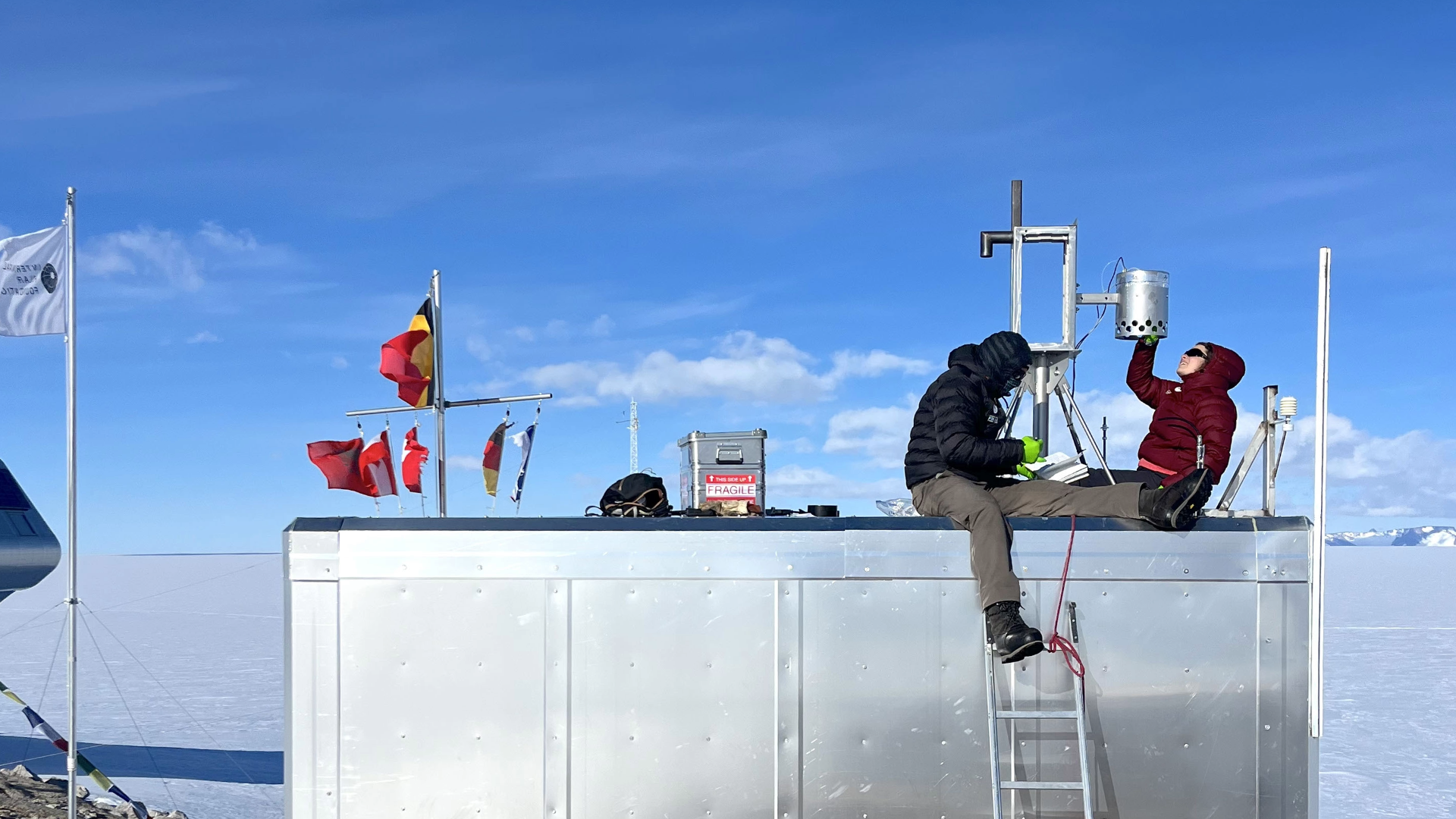
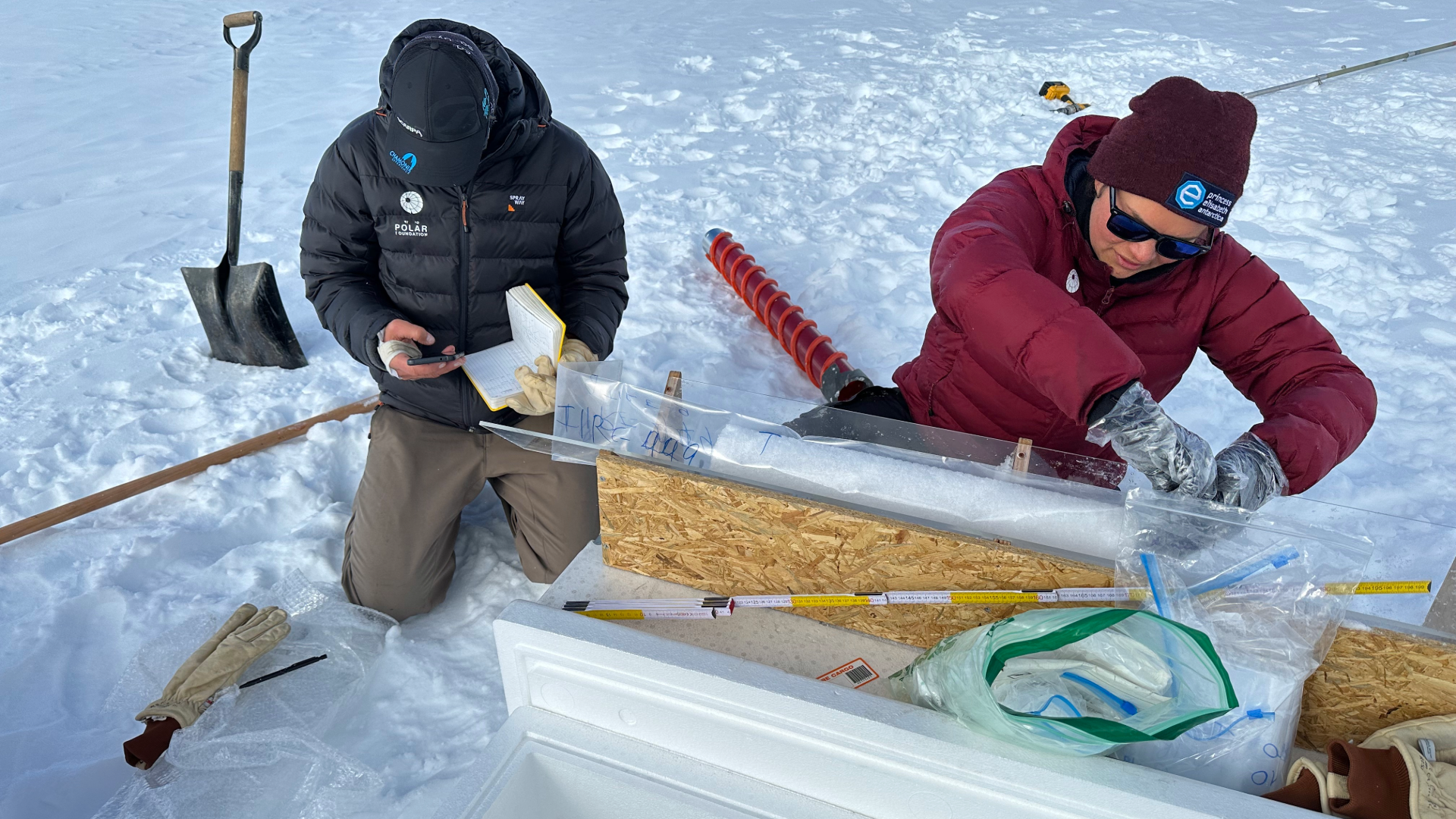
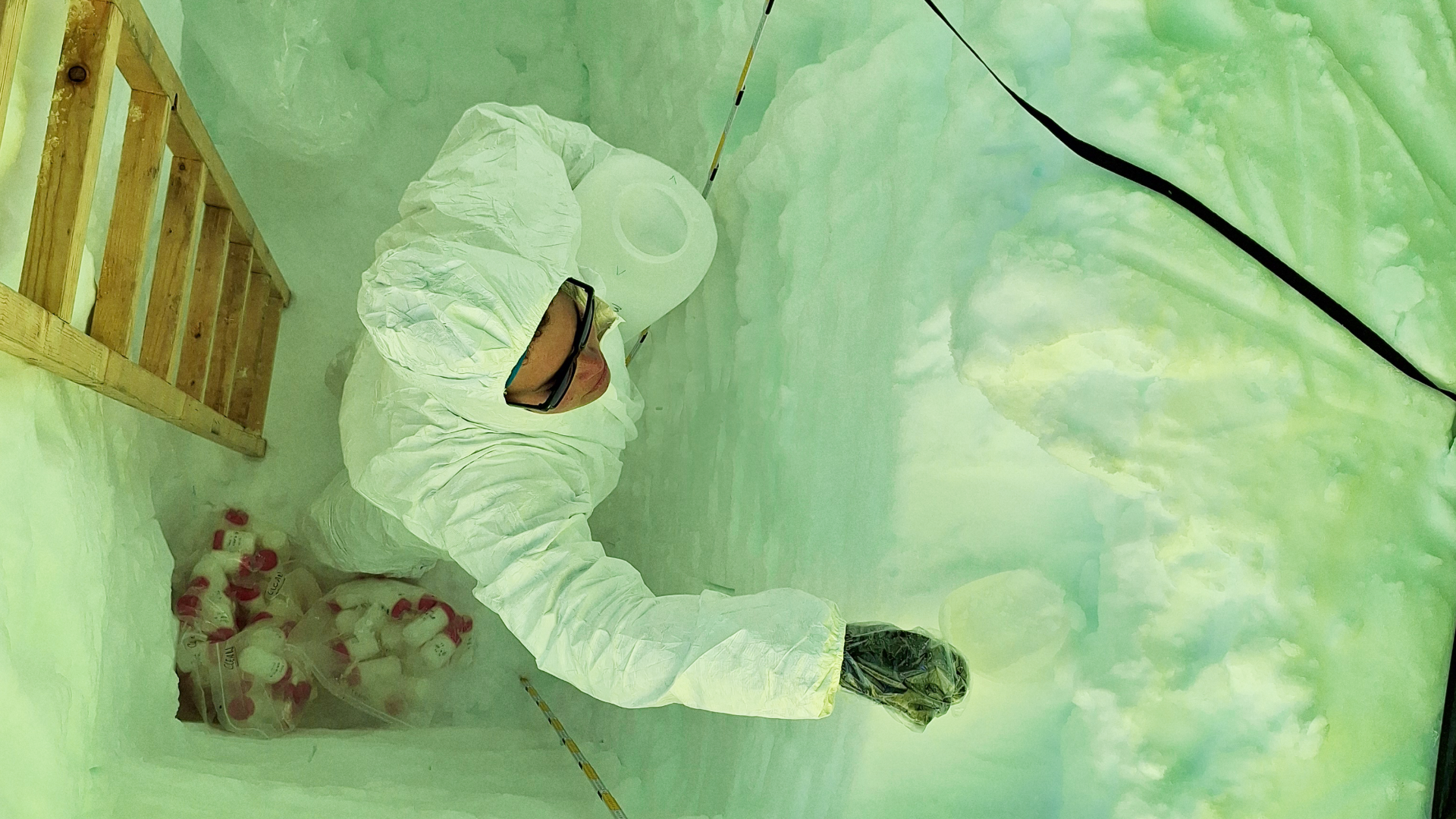
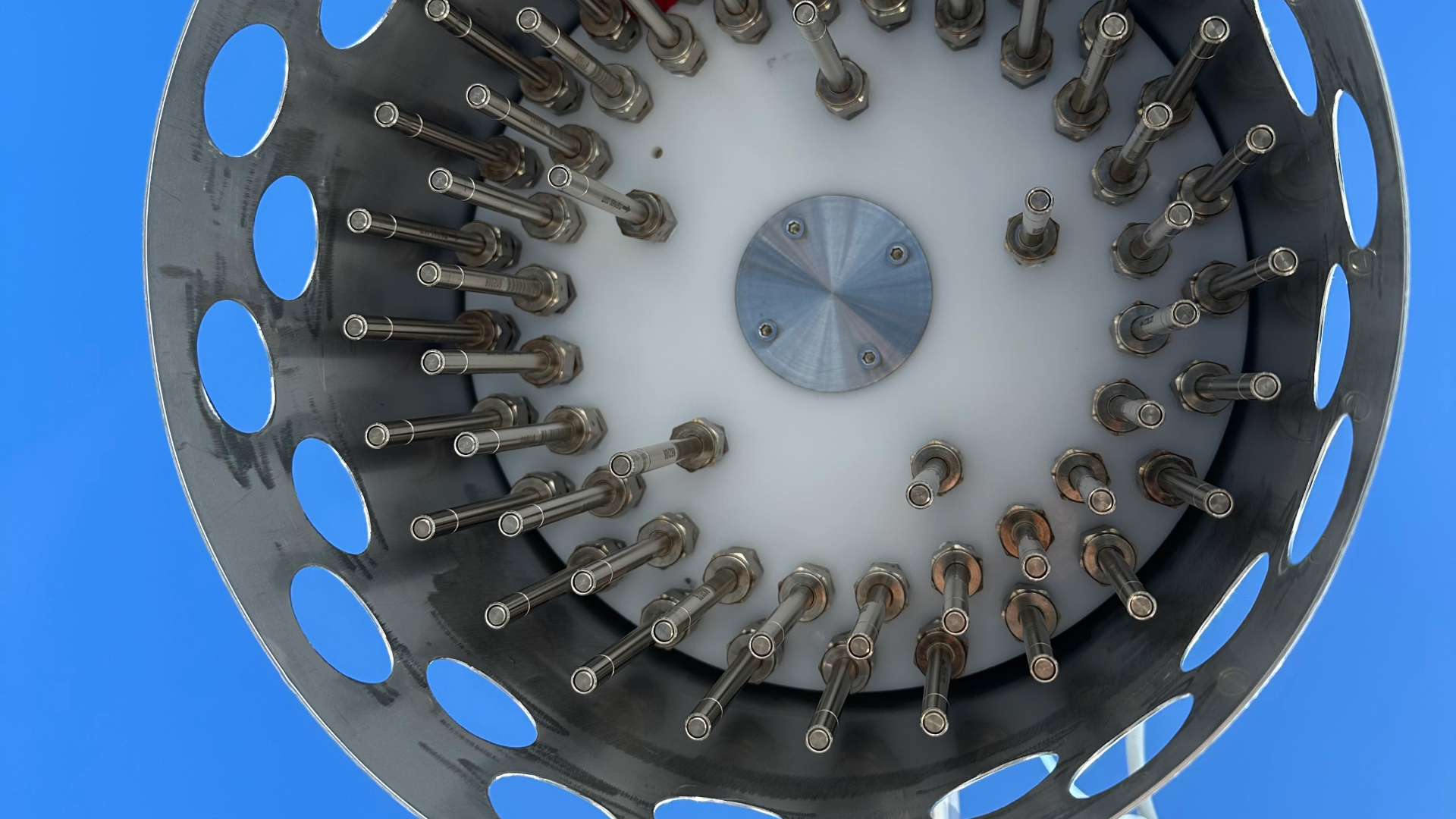
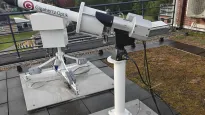
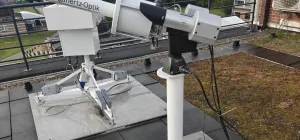
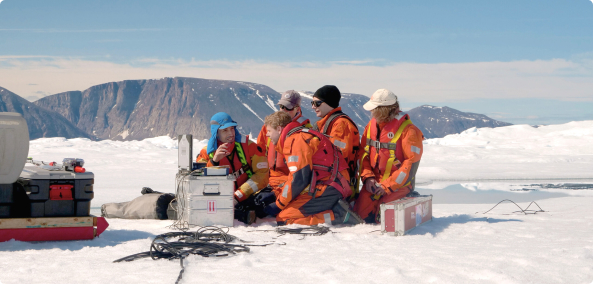
PASPARTOUT combines atmospheric observations, snow analyses and climate modelling to better understand these interactions. The project studies aerosols, volatile organic compounds (VOCs), moisture and other atmospheric constituents to determine where they originate, how they are transported to Antarctica and how they interact with clouds and precipitation. These observations are collected throughout the year using a network of scientific instruments and environmental sampling sites around Princess Elisabeth Antarctica and the surrounding region.
By improving our understanding of atmospheric transport and cloud formation in Antarctica, PASPARTOUT helps scientists refine climate models and assess how these processes may evolve under future climate change. The project contributes to a better understanding of Antarctica's role within the global climate system and provides valuable knowledge for predicting future environmental change.