


IPF Attends SCAR Biannual Open Science Conference
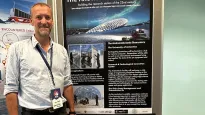
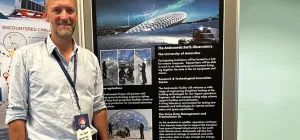
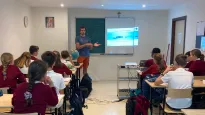
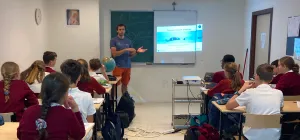
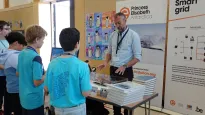
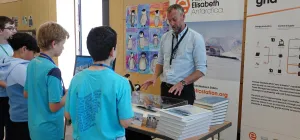
Last week IPF Science Liaison Officer Henri Robert attended the Scientific Committee on Antarctic Research (SCAR) Open Science Conference in Oslo, Norway to give a poster presentation of the Andromeda Earth Observatory project and connect with the Antarctic scientific community.
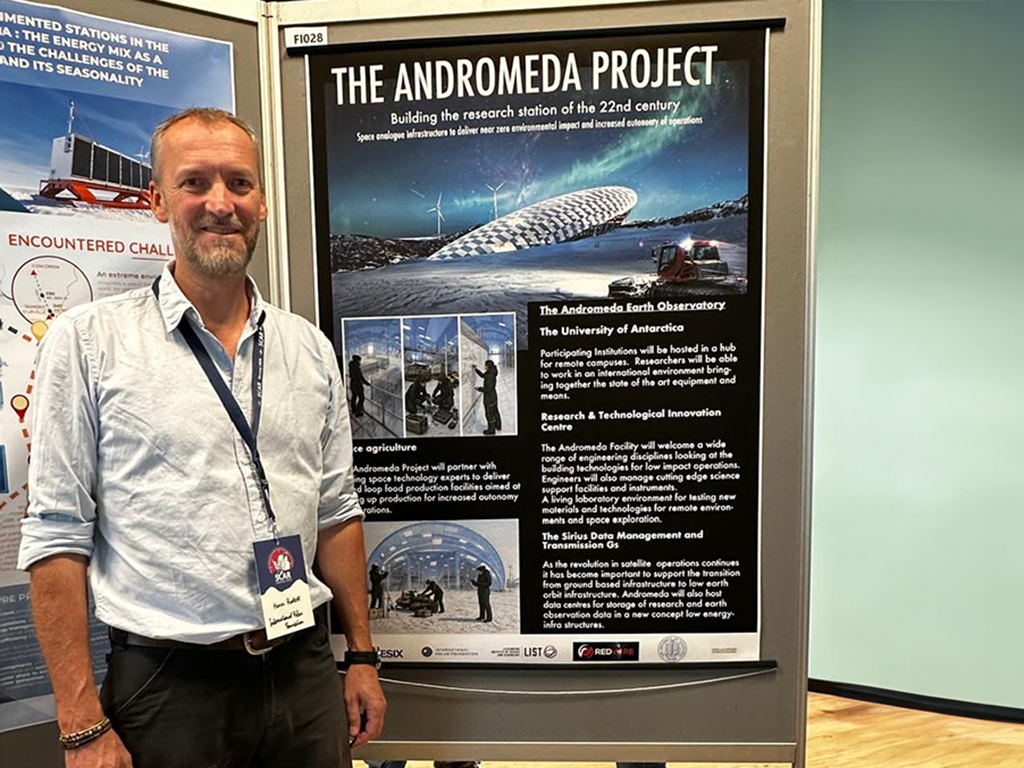
Last week IPF Science Liaison Officer Henri Robert attended the Scientific Committee on Antarctic Research (SCAR) Open Science Conference in Oslo, Norway to give a poster presentation of the Andromeda Earth Observatory project and connect with the Antarctic scientific community.
More than 1,400 polar scientists and international delegates from around the globe attended the four-day event organised by SCAR, which serves as the primary forum for international scientific collaboration in Antarctica. Throughout the week, participants engaged in dozens of daily scientific presentations, parallel sessions, side meetings, and hands-on workshops designed to address the pressing environmental challenges facing the polar regions. The event provided a vital platform for researchers to reconnect with peers, exchange shared knowledge, and outline future joint projects.
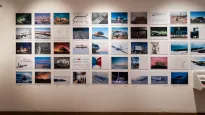
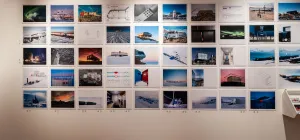
The event featured an expansive poster gallery featuring about 560 presentations split across three live poster sessions and an integrated digital platform. Standing out amongst the poster presentations was a poster highlighting the Andromeda Earth Observatory project, presented by Henri Robert. The poster generated substantial interest and discussion amongst attendees who visited the poster.
A major focus for this year's conference was the strategic preparation for the upcoming 5th International Polar Year (IPY-5), which is set to take take place 2032–2033. Noway along with South Korea and Chile will co-host IPY-5.
The continuing setup of the Antarctic InSync project, a major international campaign aimed at synchronised observation of Antarctica's land, ocean, and ice dynamics, was also a key part of the programme.
The conference agenda also highlighted urgent research surrounding the impacts of rapid climate change on fragile southern ecosystems. A number of sessions discussed comprehensive biodiversity surveys and the evolving state of polar ice shelves and sea ice, as well as targeted ocean conservation through Marine Protected Areas (MPAs) and Specially Protected Areas (SPAs). Attendees evaluated concrete management plans and future species distribution models while addressing critical threats such as microplastic pollution, the sustainability of krill fisheries, and direct science-policy links to the Commission for the Conservation of Antarctic Marine Living Resources (CCAMLR).
All in all, it was a wonderful experience to be a part of!
Download