


Testing the New Instrument for Measuring Ozone Layer Thickness Before Shipping It to Antarctica
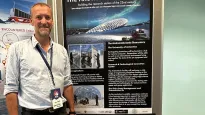
As the Antarctica season draws near, the last preparations are now being done before the first team leaves for Antarctica. On September 28th, IPF staff members Nicolas Herinckx and Henri Robert (Chief Engineer and Science Liaison Officer respectively) visited the Royal Meteorological Institute of Belgium in preparation for this year's mission.
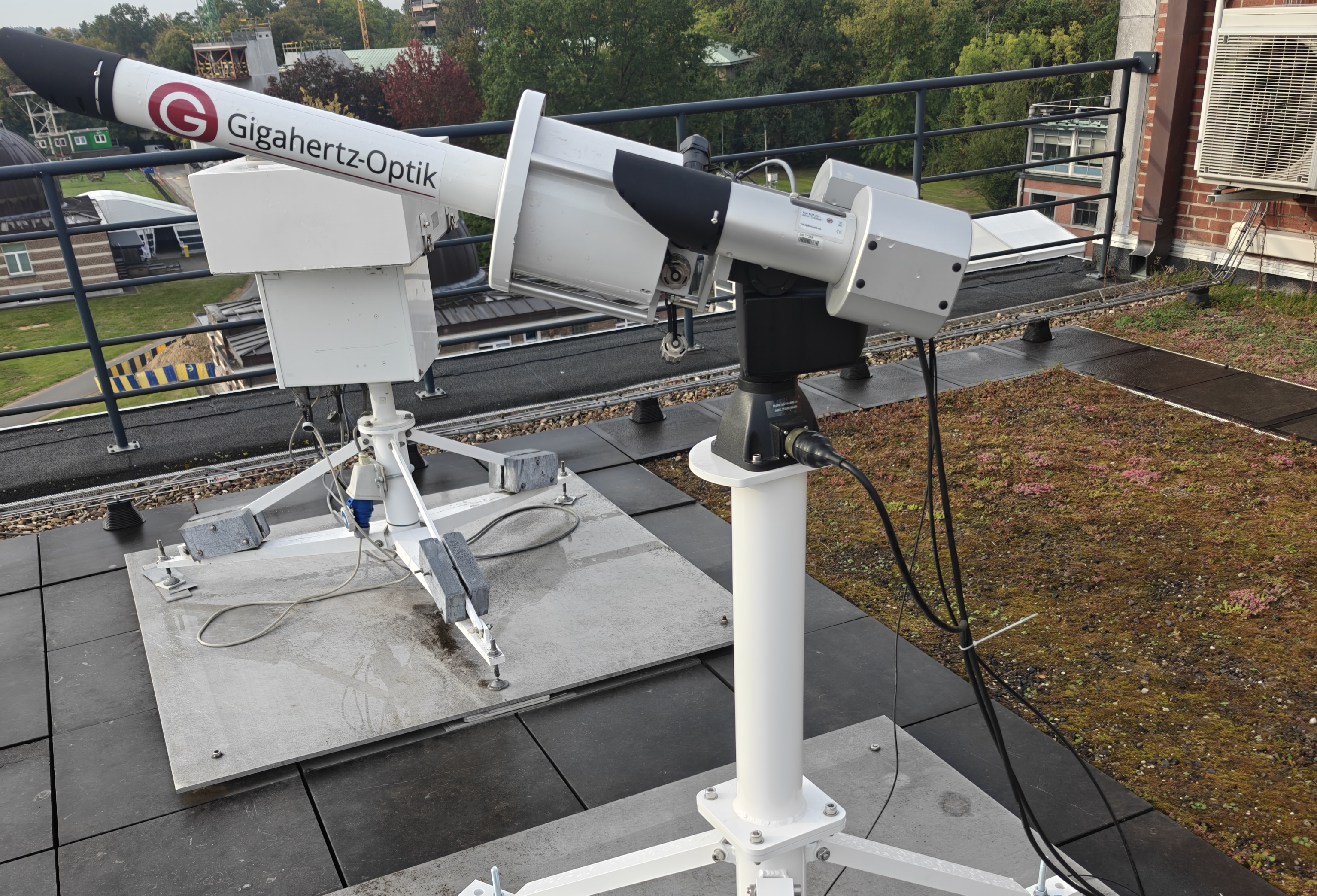
As the Antarctica season draws near, the last preparations are now being done before the first team leaves for Antarctica. On September 28th, IPF staff members Nicolas Herinckx and Henri Robert (Chief Engineer and Science Liaison Officer respectively) visited the Royal Meteorological Institute of Belgium in preparation for this year's mission.
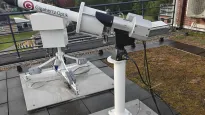
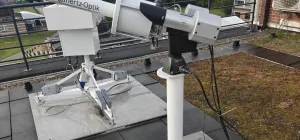
The purpose of the visit was to inspect and discuss the installation procedure, requirements and performance of the BTS-Solar instrument currently installed on the roof of the meteorological centre, in preparation for its shipment to Cape Town and further deployment at the Princess Elisabeth Antarctica research station for the BELSPO-funded project ROMA.
The BTS-Solar will be used simultaneously with three other instruments - the CIMEL, Pandora and Brewer Ozone Spectrophotometer - which all have a common purpose: measuring the state and thickness of the ozone layer. This gas that sits in Earth’s stratosphere plays an important role in protecting life on Earth from the harmful solar ultraviolet radiation. Monitoring the ozone layer is essential because its depletion (caused by the extensive use of CFC gases in our aerosols during the 1960-1990’s), particularly the seasonal formation of the Antarctic ozone hole, reduces its natural protection potential and can have drastic consequences on human health and ecosystems. Long-term measurements are therefore important to monitor how the ozone layer changes over time and to assess progress towards its recovery.
The installation of BTS-Solar at PEA research station will allow measurements of the ozone layer from different instruments to be compared, providing complementary and comparable observations and helping to assess their respective sensitivity and identify any differences. In the long term, this comparison will help assess the suitability of BTS-Solar as a replacement for the Brewer Ozone Spectrophotometer, which has been operating at the station for more than 15 years. Soon it will no longer be possible to update and maintain it, so now it’s time for a new device to take over its duties.