


Princess Elisabeth Antarctica and Andromeda Earth Observatory Featured in Exhibition in Buenos Aires
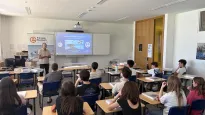
On September 22nd, the National Museum of Fine Arts in Buenos Aires, Argentina, hosted the opening ceremony of its exhibition “Inhabiting the Extreme: An Architectural Biography of Antarctica.” Running from September 23rd to October 28th the exhibition is part of the 20th edition of the Buenos Aires International Biennial of Architecture.
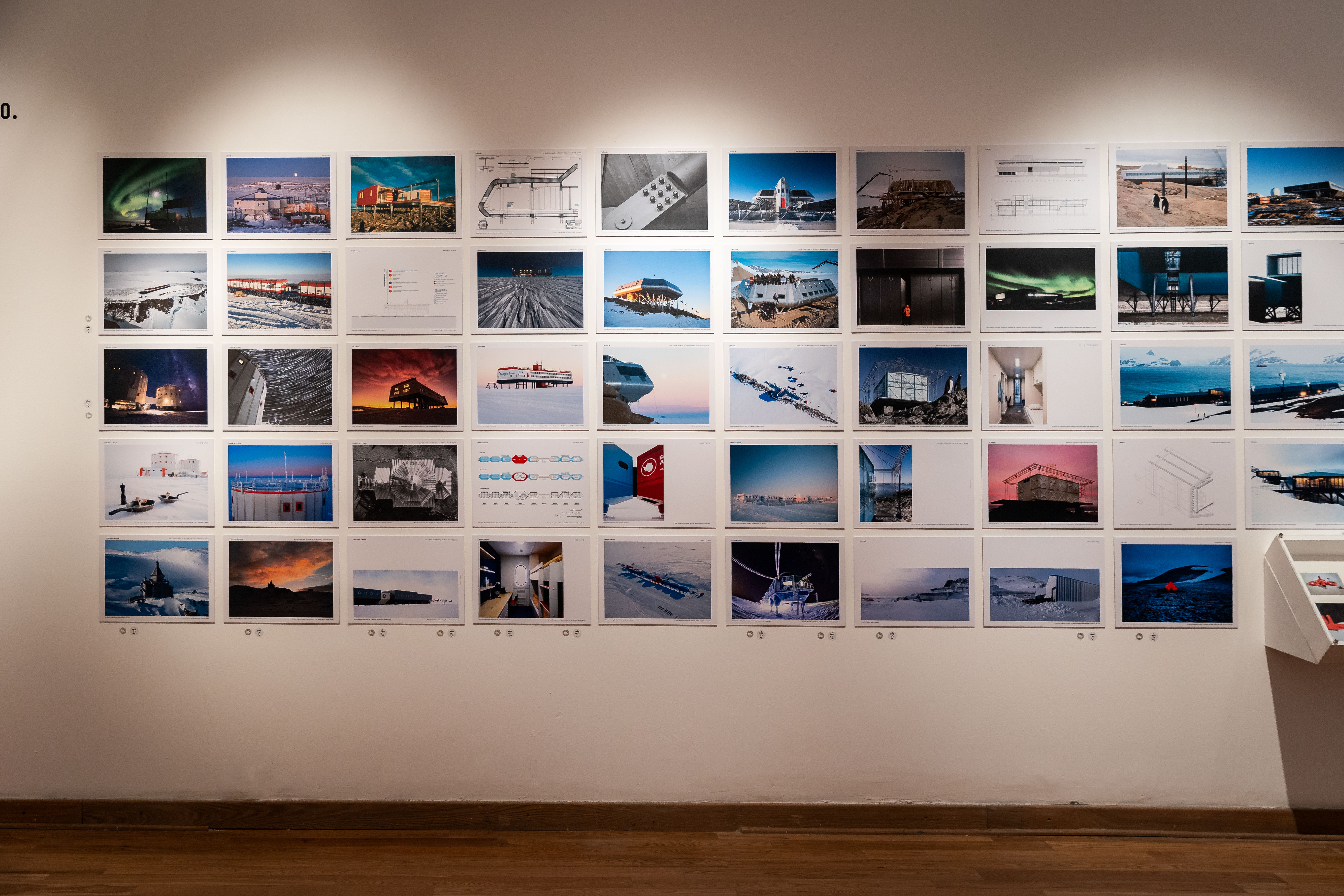
On September 22nd, the National Museum of Fine Arts in Buenos Aires, Argentina, hosted the opening ceremony of its exhibition “Inhabiting the Extreme: An Architectural Biography of Antarctica.” Running from September 23rd to October 28th the exhibition is part of the 20th edition of the Buenos Aires International Biennial of Architecture.
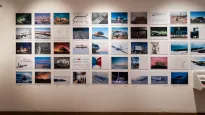
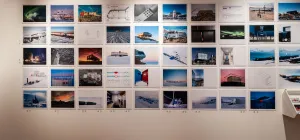
Based on the research conducted by the 6044 SUR collective, the exhibition presents 150 architectural works from 25 countries with a presence in Antarctica, including projects developed through architectural competitions, presented through photographs, plans, videos, and scale models. By presenting these projects, the exhibition also highlights the emergence of architectural competitions in Antarctica, enabled by the Antarctic Treaty (1959) and Madrid Protocol (1991), as an open international framework for experimenting with new materials, forms, and site-specific approaches.
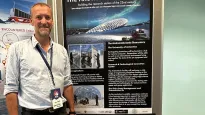
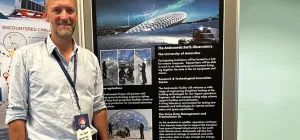
Both the Princess Elisabeth Antarctica Research Station and the proposed Andromeda Earth Observatory, co-designed by SAMYN and PARNTERS architects & engineers, are featured in this exhibition.
Princess Elisabeth Antarctica is the world’s first zero-emission polar research station, completed in February 2009. Built on top of Utsteinen Nunatak, the site was selected for its granite ridge, which naturally limits snow accumulation, while allowing the station to rely solely on wind and solar energy to power it. Located only 200 km from the coast, it also offers efficient logistics and access to a wide range of research environments.
Building on more than 15 years of experience operating the Princess Elisabeth Antarctica Station, the Andromeda Earth Observatory, an international project led by IPF, will go one step further when it comes to thinking about Antarctic research infrastructure. The goal is to develop a next-generation research station that brings together science, technology, and sustainability, both to advance scientific knowledge and explore practical solutions for a changing world.
Seeking to break with the historically assumed fiction of an empty and blank space, the exhibition offers a biographical journey through Antarctica’s architectural landscape from the 19th century to the present day, revealing a territory shaped by more than two centuries of architectural experimentation. Using a Global South perspective, it brings to light often invisible histories, presenting Antarctica as a radical laboratory, hosting experimental prototypes, post-war dystopian projects, reinterpretations of the International Style, and Soviet Brutalism.
At a time marked by the consequences of climate change and the need to adapt to increasingly unpredictable conditions, such an exhibition is particularly relevant, extending architectural imaginaries around structures capable of resisting extreme environments and changing landscapes, while questioning new ways of inhabiting the planet.
Download