Antarctica remains a unique example of international cooperation, but rising tourism, strategic ambitions, and resource interests are testing the limits of the Antarctic Treaty System.
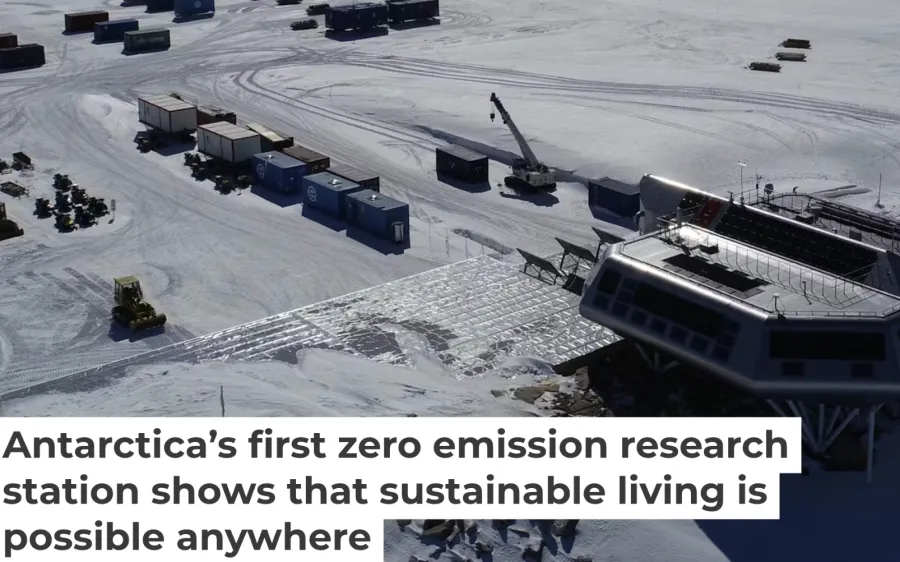
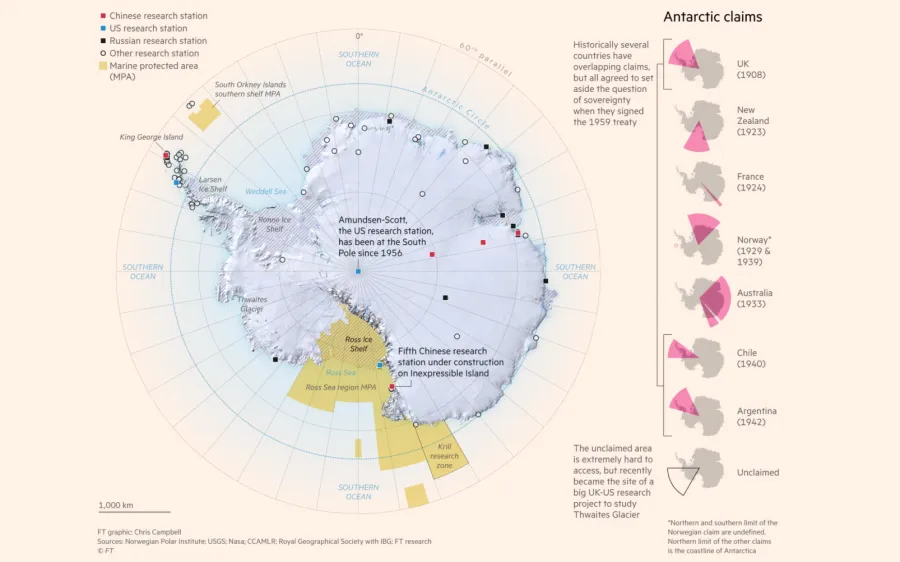
The Antarctic Treaty, established in 1959 to guarantee peace and scientific collaboration, is under growing strain. With 53 nations now involved, including new actors like China and India, consensus-based decision-making is increasingly complex. China’s construction of a fifth research base and the expansion of Antarctic tourism highlight the challenges of regulating activities in this fragile environment.
Key issues include fishing rights, bio-prospecting, and potential resource exploitation, all of which could become contentious as climate change opens new areas and makes the continent more accessible. Experts warn that the treaty’s current mechanisms may be insufficient to manage these pressures, with decisions requiring unanimous agreement leaving any one nation with effective veto power.
Despite these tensions, Antarctica still serves as a model for cooperation: countries rely on each other to survive in extreme conditions, and scientific collaboration remains a high priority. Observers suggest the Antarctic Treaty could offer lessons for governance in other contested regions, such as the Arctic or international space.
For more information follow the link to the full article on FT.com!