


ANTSIE
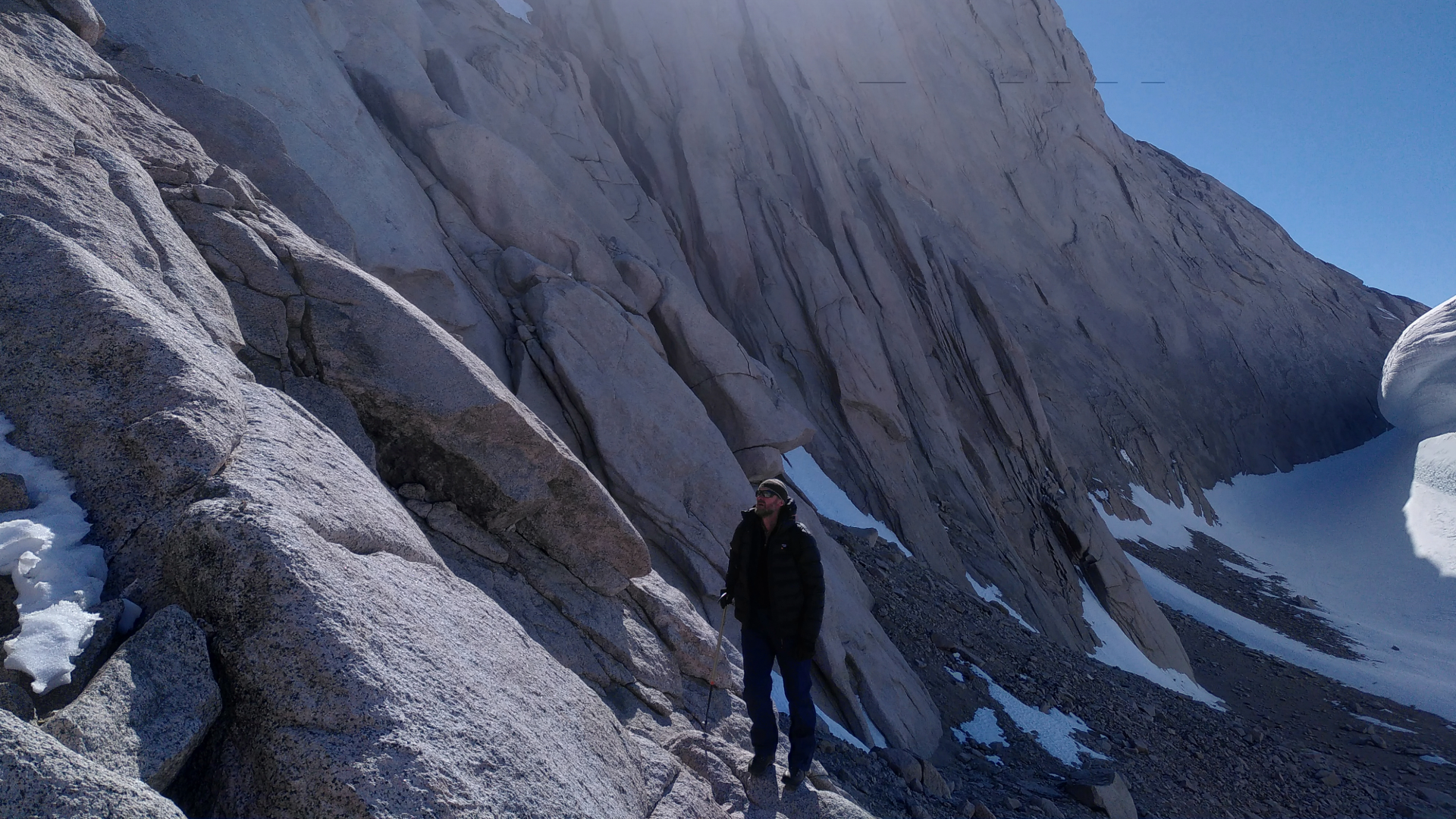
The ANTSIE (ANTarctic Sea Ice Evolution) project investigates the ecology of the snow petrel (Pagodroma nivea), one of Antarctica's iconic seabirds. Led by Durham University in collaboration with the British Antarctic Survey (BAS), the project aims to better understand the species' feeding behaviour, foraging locations and its relationship with the Antarctic sea-ice environment.
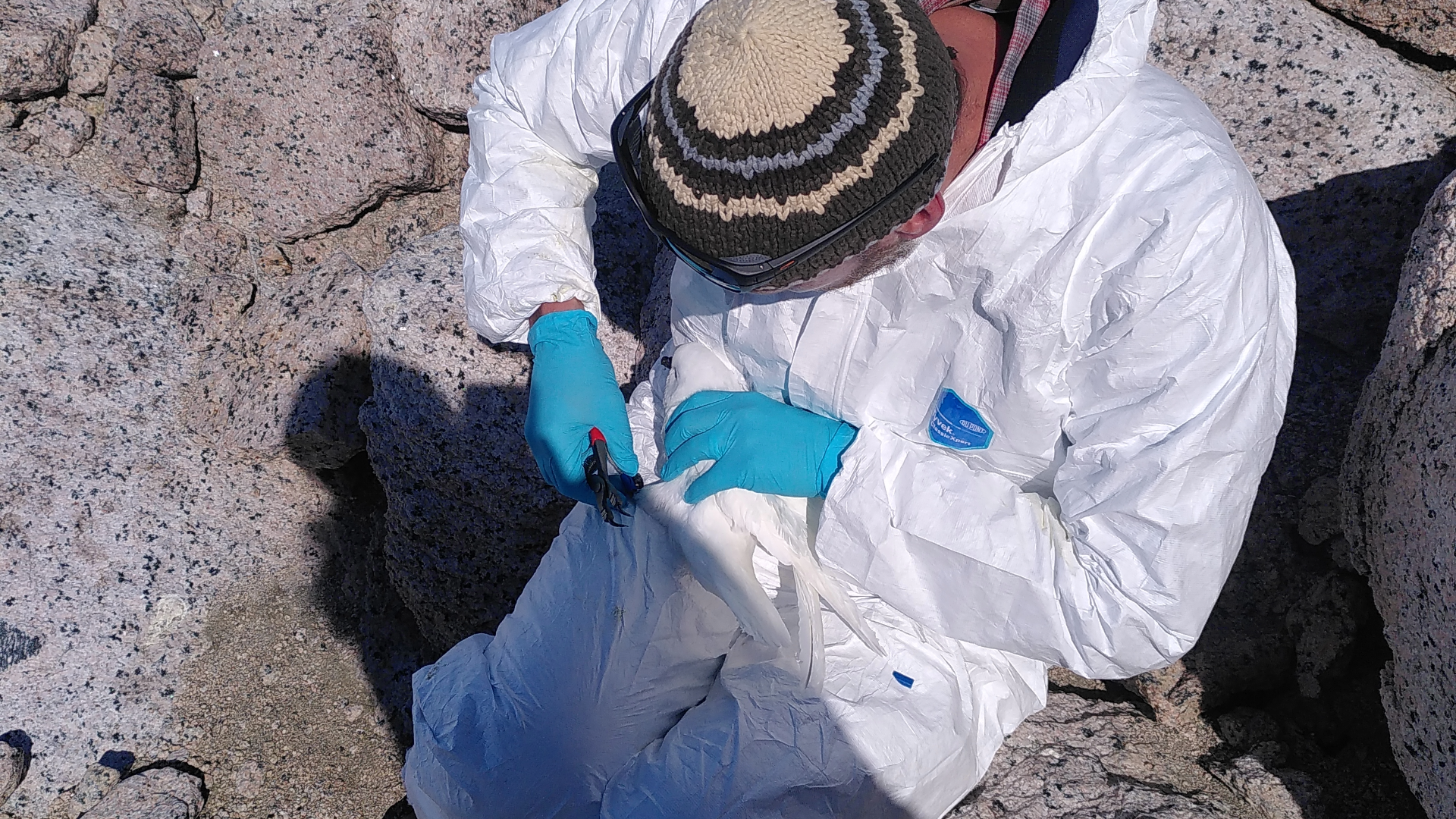
The project combines the tracking of breeding snow petrels with the analysis of biological samples collected from birds and their nesting sites. GPS and GLS tracking devices are used to monitor the movements and foraging behaviour of adult birds, while samples of feathers, blood, prey and stomach oil are analysed using geochemical techniques, including stable isotopes, biomarkers and trace metals.
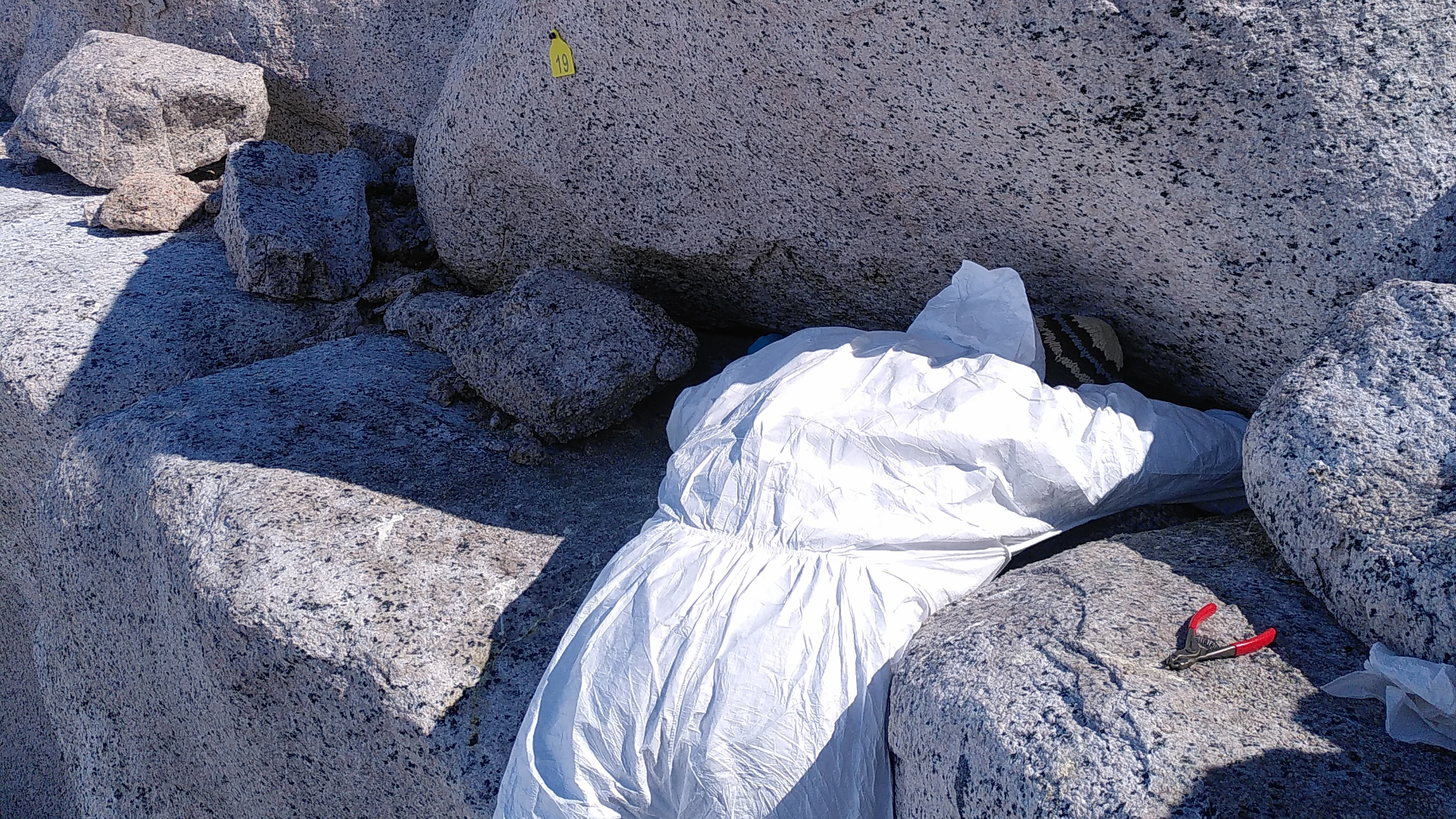
A unique aspect of the project is the study of mumiyo—solidified stomach oil deposits that accumulate around snow petrel nesting sites. These deposits preserve valuable information about the birds' diet and the environmental conditions under which they lived. By comparing modern samples with older mumiyo deposits, researchers aim to reconstruct changes in snow petrel diet, distribution and sea-ice conditions over time.
By combining tracking data with geochemical analyses, ANTSIE provides new insights into how snow petrels respond to changes in the Antarctic environment and helps assess the impacts of past and future climate change on this important polar species.