


BELATMOS
BELATMOS is a long-term atmospheric monitoring project that investigates the composition and chemistry of the Antarctic atmosphere at Princess Elisabeth Antarctica. Led by the Royal Meteorological Institute of Belgium, the Belgian Institute for Space Aeronomy and Ghent University, the project focuses on observing aerosols, ozone, trace gases and ultraviolet (UV) radiation.
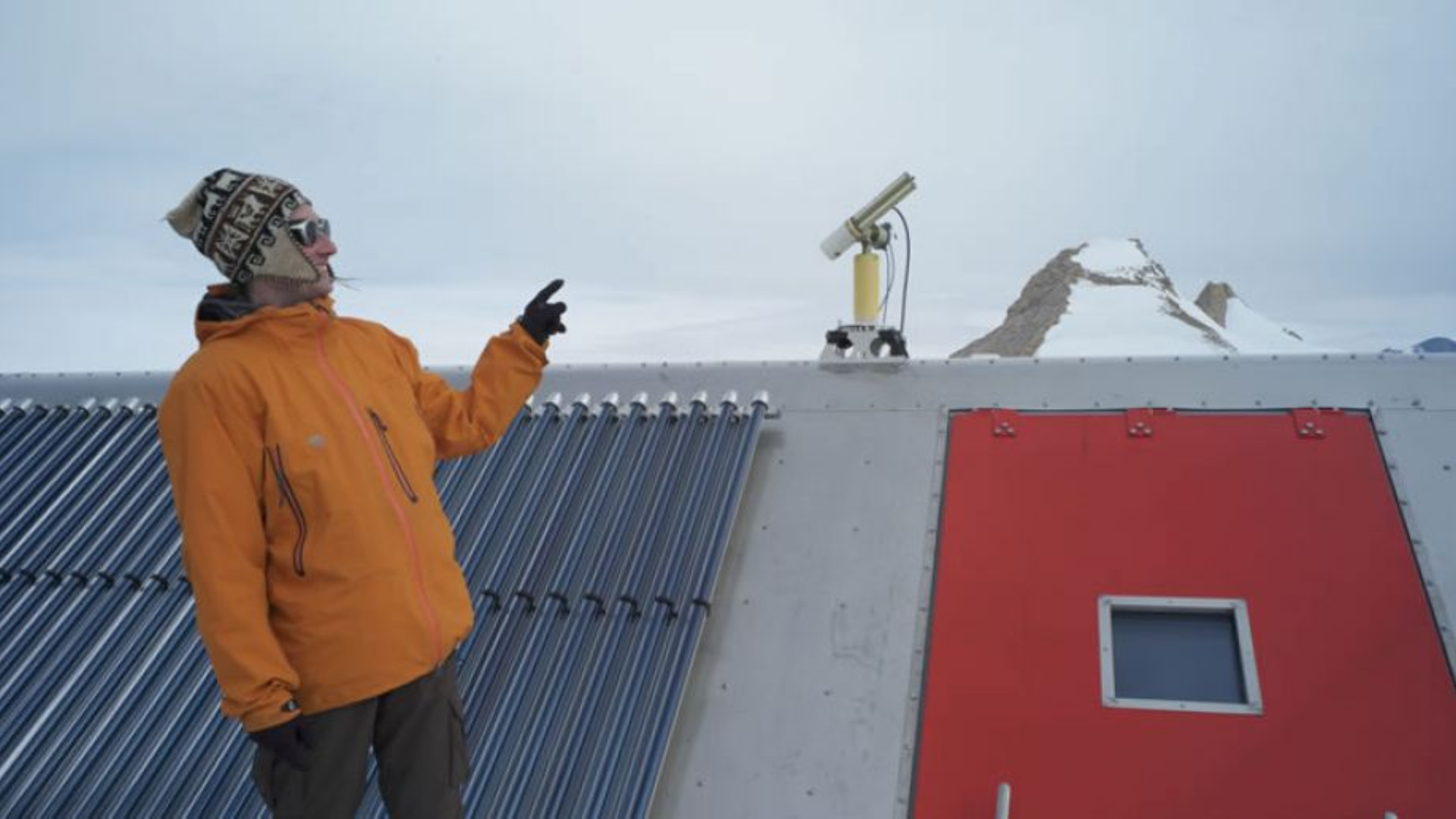
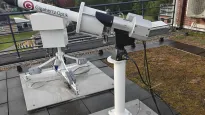
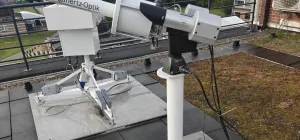
Using a suite of complementary ground-based instruments, BELATMOS continuously measures the chemical and physical properties of the atmosphere. The observations include aerosol particles, ozone and related trace gases, atmospheric radiation and UV levels. Together, these measurements provide valuable information about the processes that influence atmospheric chemistry and the Earth's radiation balance.
A particular focus of the project is the role of aerosols in the Antarctic atmosphere. Aerosol particles influence the amount of solar radiation that reaches the Earth's surface, affect cloud formation and alter atmospheric chemical processes. BELATMOS also monitors the ozone layer and the amount of UV radiation reaching the surface, providing important observations for studying the Antarctic ozone hole and its long-term evolution.
Many of the project's instruments are designed to operate autonomously throughout the year, allowing continuous observations even when Princess Elisabeth Antarctica is unoccupied during the Antarctic winter. The long-term datasets collected by BELATMOS contribute to international atmospheric monitoring programmes and improve our understanding of atmospheric processes, climate change and the unique Antarctic environment.