


DELAQUA
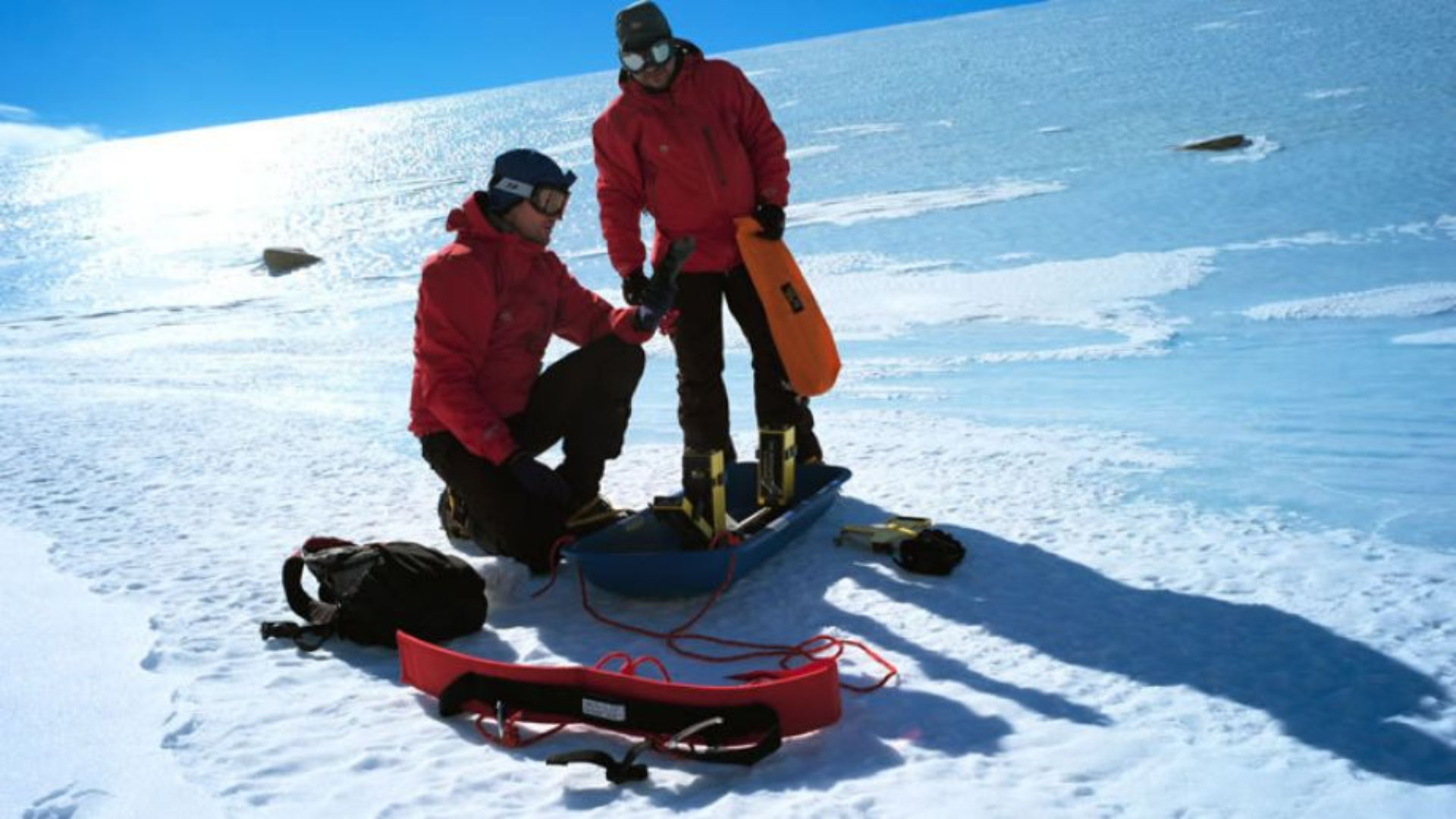
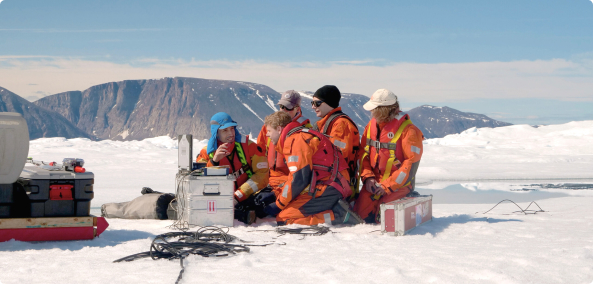
DELAQUA is a paleoclimate research project that investigates how Antarctica's climate has changed over thousands of years. By studying sediment cores collected from Antarctic lakes, the project aims to place today's climate change into the broader context of Earth's natural climate variability.
The research focuses on biological indicators preserved in lake sediments, including pigments, organic material and microscopic organisms. These natural archives provide a record of past environmental conditions and allow scientists to reconstruct how Antarctica's climate has evolved over the last several millennia. Using microscopy and fossil DNA analyses, researchers also examine how microbial communities have responded to past climate and environmental changes.
Many of the microorganisms preserved in these sediments are unique to Antarctica, making them valuable indicators of both climatic and ecological change. By analysing these biological records, DELAQUA helps scientists distinguish between natural climate variability and the changes occurring today.
The project is carried out in collaboration with several international research initiatives, including the British Antarctic Survey and the Scientific Committee on Antarctic Research (SCAR), contributing to a broader understanding of Antarctica's environmental history and the evolution of its unique ecosystems.