


EXPOSOILS
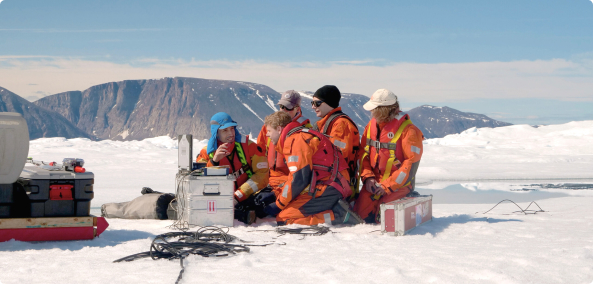
EXPOSOILS is an international research project that investigates how climate change affects polar desert ecosystems in Antarctica and the Arctic. Led by Ghent University, the project focuses on understanding how rising temperatures and changing snow conditions influence the biodiversity and functioning of microbial communities that form the foundation of these fragile environments.
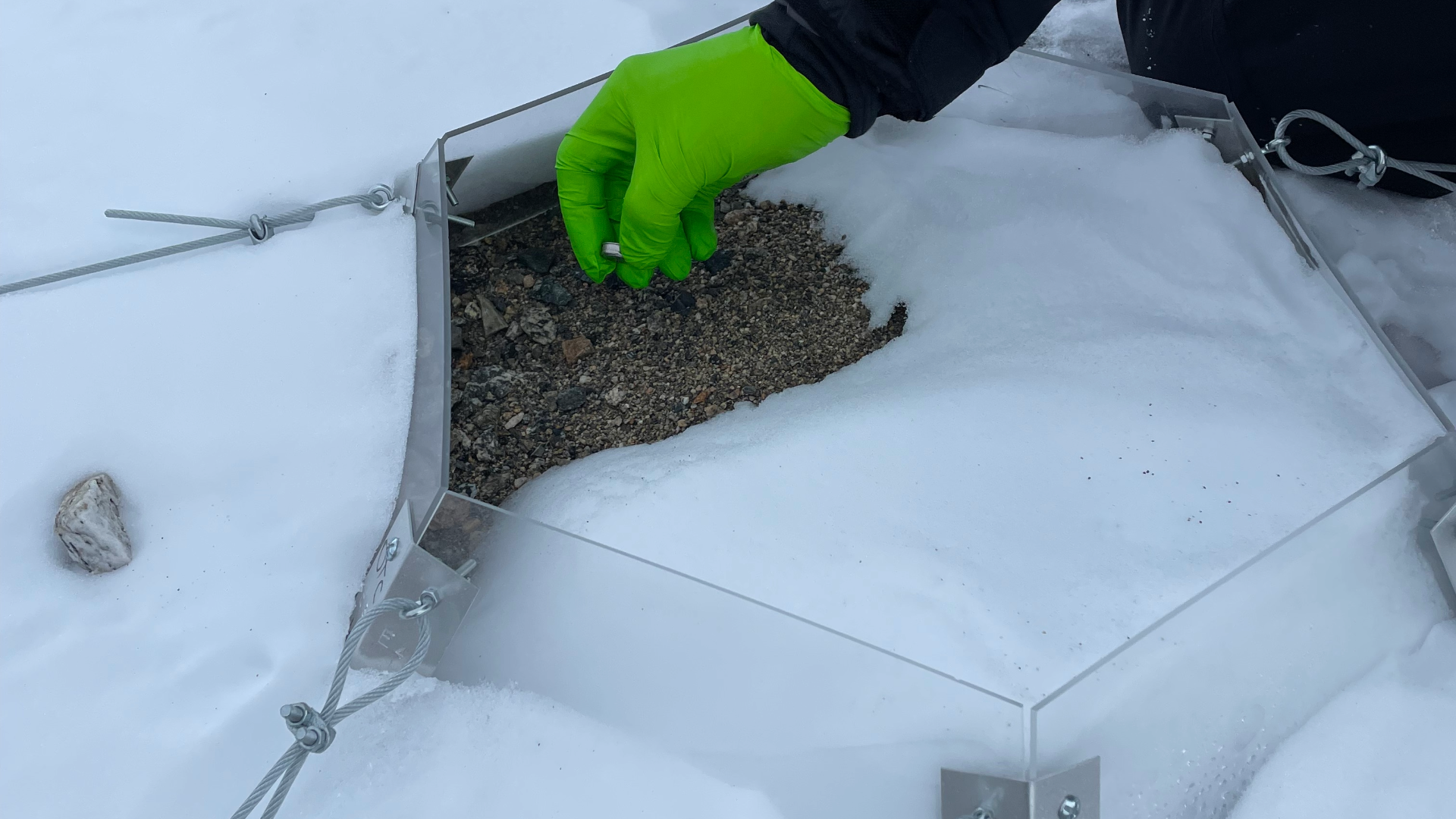
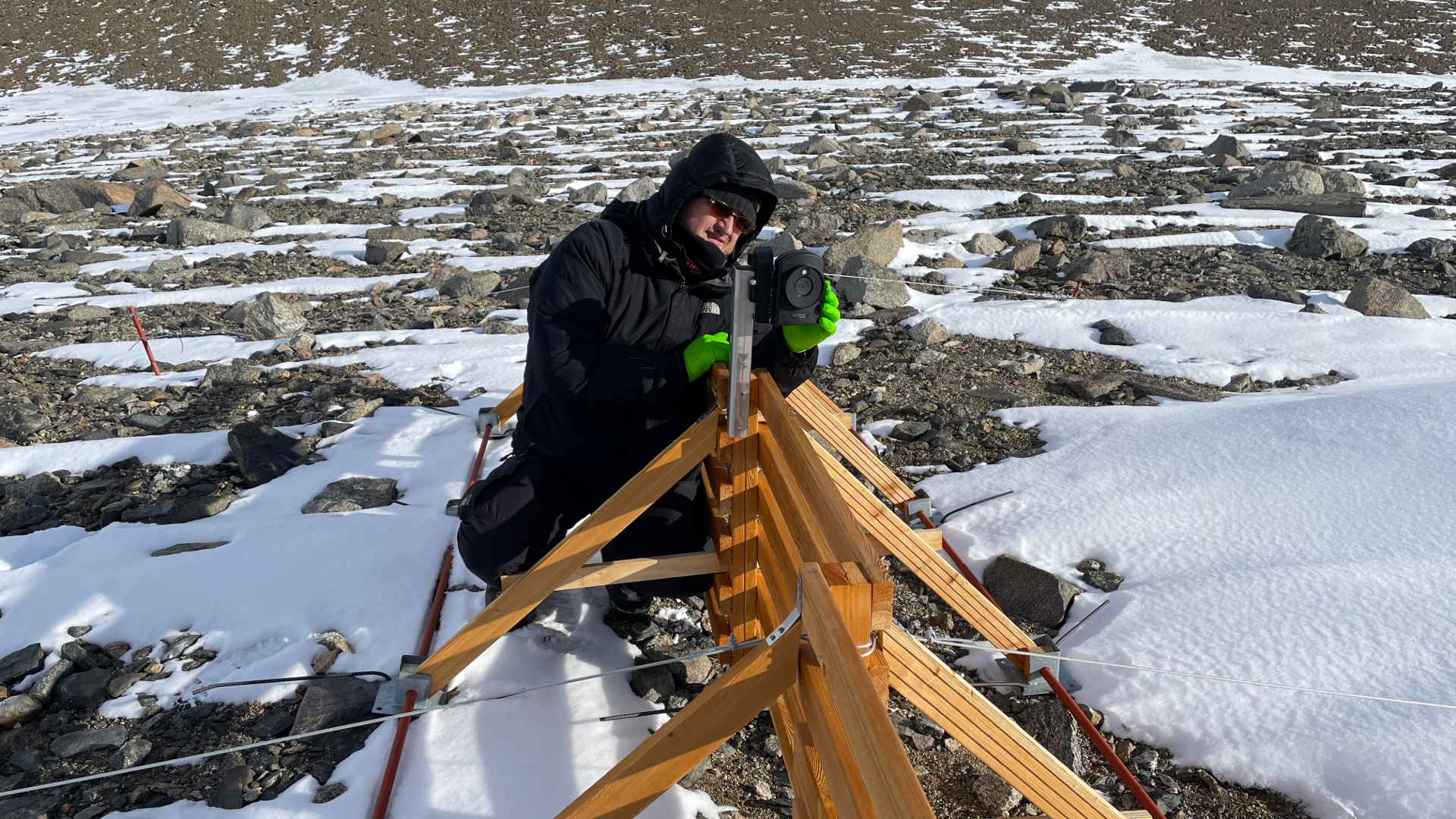
Microorganisms living in polar soils play a crucial role in ecosystem processes such as carbon and nitrogen cycling. EXPOSOILS studies how these communities respond to environmental change by combining long-term field experiments, environmental monitoring and advanced DNA sequencing techniques. Researchers compare microbial communities across sites with different climatic conditions and use long-term observations to predict how these ecosystems may evolve in the future.
The project also integrates field observations with remote sensing technologies to monitor changes in microbial mats, biological soil crusts and other components of Antarctic terrestrial ecosystems. In addition to documenting current biodiversity, EXPOSOILS aims to identify and preserve unique polar microorganisms while establishing long-term monitoring sites that can detect future ecological and environmental changes.
By improving our understanding of how Antarctic soil ecosystems respond to climate change, EXPOSOILS provides valuable knowledge for predicting the future of polar environments and supports the conservation of one of the world's most sensitive and least disturbed ecosystems.