


GEAII (BGR)
The Geodynamic Evolution of East Antarctica (GEA II) project investigates the geological history of East Antarctica to reconstruct the formation of the Gondwana supercontinent and the long-term evolution of the Antarctic landscape. Led by the German Federal Institute for Geosciences and Natural Resources (BGR), the project focuses on the geological processes that shaped the Sør Rondane Mountains and the surrounding region.
Researchers study how the mountain-building processes that formed Gondwana took place between approximately 650 and 500 million years ago, and how the landscape evolved after the supercontinent began to break apart around 180 million years ago. Particular attention is given to understanding the uplift and erosion of the Sør Rondane Mountains and the geological evolution of the Earth's lithosphere in Dronning Maud Land.
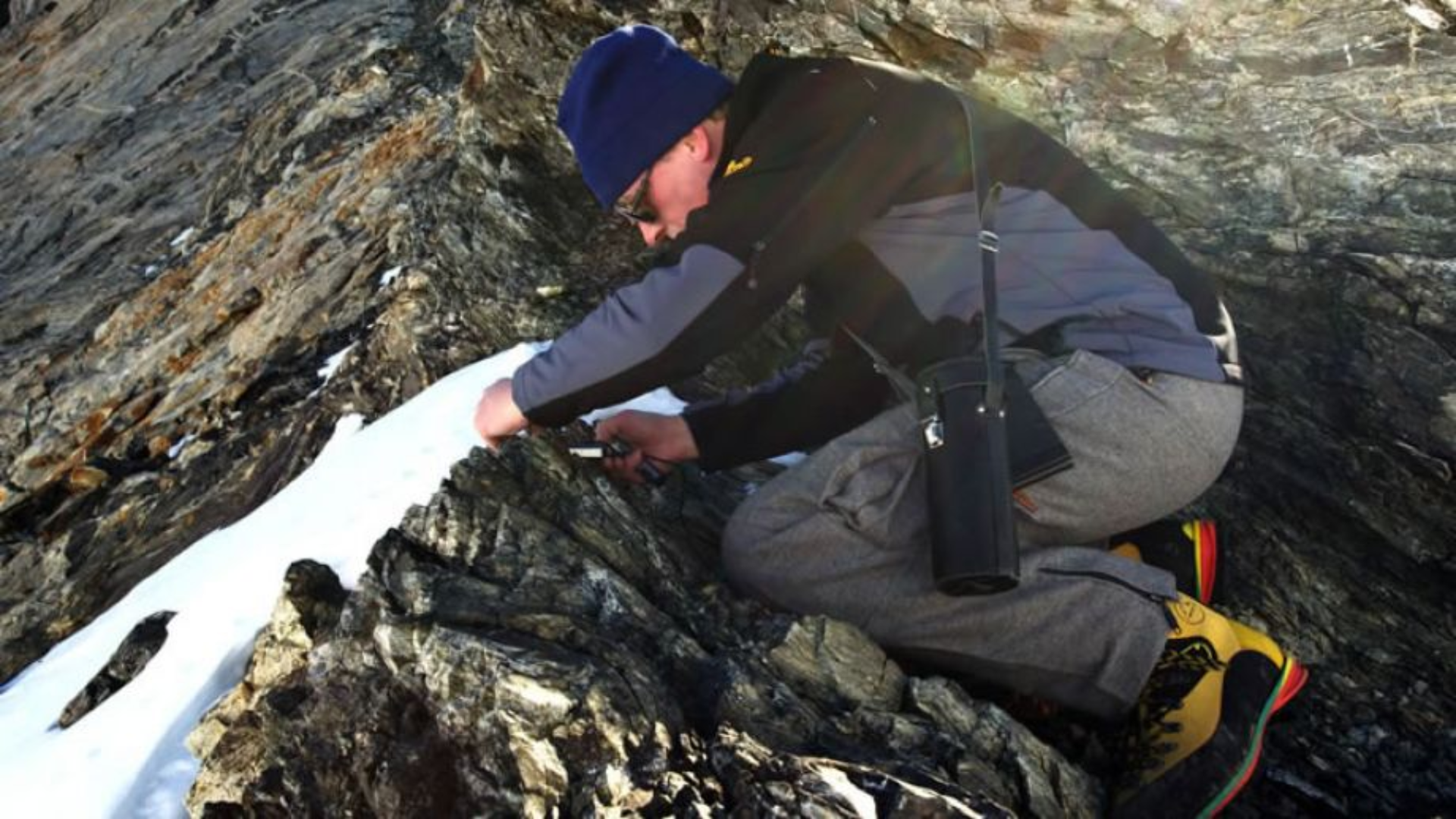
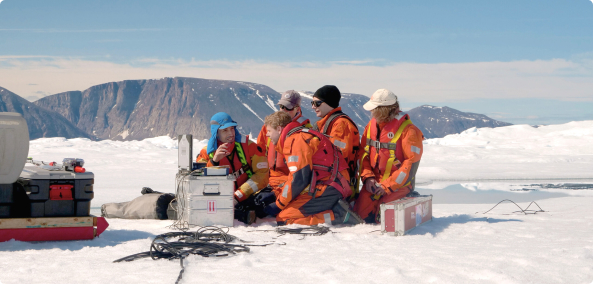
To address these questions, the project combines geological field investigations with geophysical surveys carried out on the ground and from the air. By integrating these observations, scientists are able to reconstruct the region's geological history and improve our understanding of the tectonic processes that shaped East Antarctica.
The project is carried out in collaboration with international partners, including the Alfred Wegener Institute (AWI), contributing to a broader understanding of Antarctica's geological evolution and its role in the formation of ancient supercontinents.