


HYPERNETS
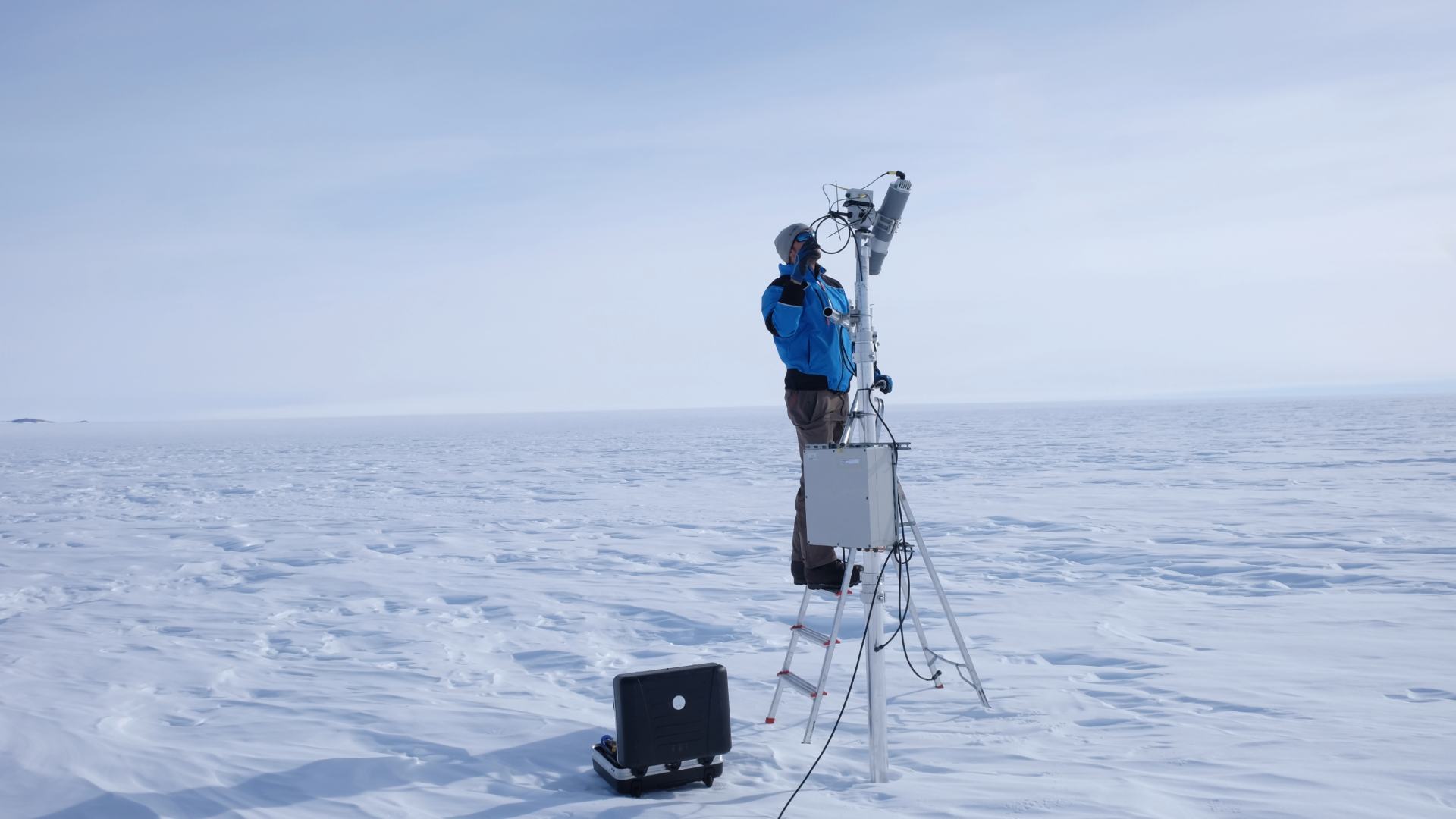
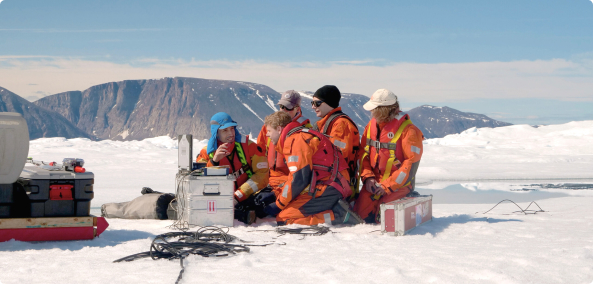
HYPERNETS is a European research project that developed a new generation of hyperspectral instruments for validating satellite observations of land, water and snow-covered surfaces. Led at Princess Elisabeth Antarctica by the Royal Belgian Institute of Natural Sciences (RBINS), the project contributes to improving the accuracy of optical Earth observation missions.
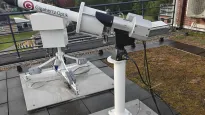
At the heart of the project is the HYPSTAR® (HYperspectral Pointable System for Terrestrial and Aquatic Radiometry), an automated hyperspectral radiometer that measures both incoming sunlight and the light reflected from the Earth's surface across the visible, near-infrared and short-wave infrared spectrum. These measurements provide highly accurate surface reflectance data that are essential for validating observations made by optical satellites such as the Copernicus Sentinel and Landsat missions.
Princess Elisabeth Antarctica was selected as one of the international HYPERNETS validation sites because its extensive, undisturbed snow surfaces provide ideal conditions for calibration and validation measurements. Data collected at the station help ensure that satellite observations accurately represent the physical properties of snow and ice, improving the quality of environmental monitoring from space.
By providing high-quality reference measurements, HYPERNETS supports the calibration of current and future Earth observation satellites, strengthening applications in climate research, environmental monitoring and remote sensing worldwide.