


ICECON
IceCon (Constraining Ice Mass Change in Antarctica) investigates how the Antarctic Ice Sheet has changed over time, with a particular focus on Dronning Maud Land. The project aims to improve understanding of both past and present ice mass changes in order to refine models of Antarctic ice-sheet evolution.
A central objective of the project is to reconstruct the size and behaviour of the Antarctic Ice Sheet during the Last Glacial Maximum, around 18,000 years ago. By studying how the ice sheet has changed since then, researchers seek to better understand the processes that drive long-term ice loss and the response of the Earth's crust to changes in ice loading.
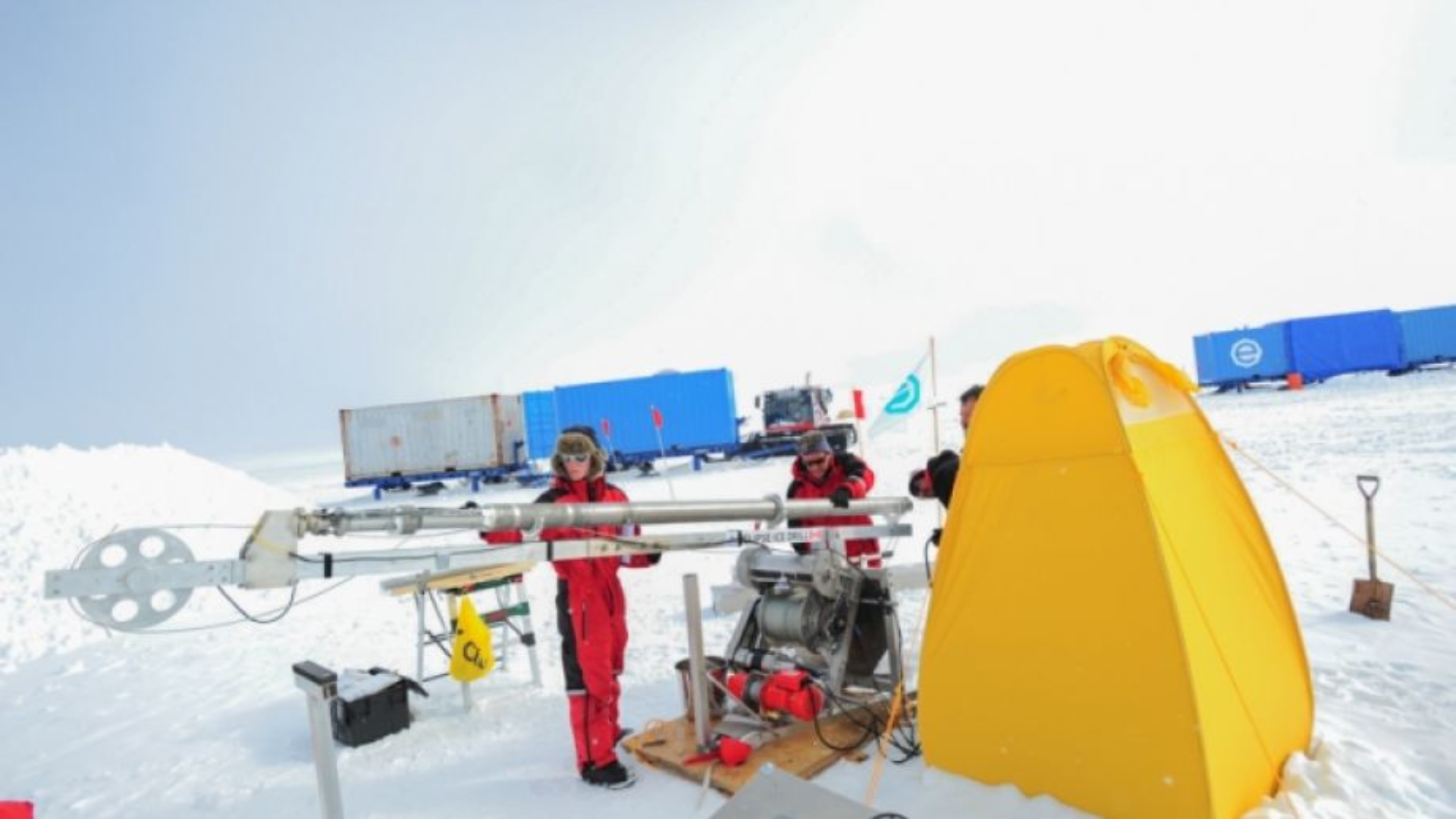
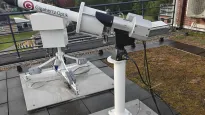
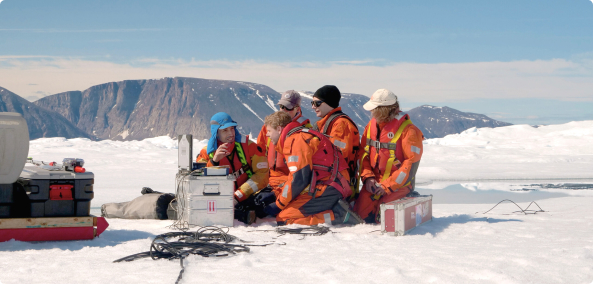
To achieve this, IceCon combines high-precision GPS measurements, radar surveys and ice-core investigations. Continuous GPS stations monitor vertical movements of the Earth's crust caused by post-glacial rebound, while radar measurements and ice cores provide information on the structure and history of the ice sheet. Together, these observations help constrain models of glacial isostatic adjustment and improve estimates of past ice volumes.
The project is an international collaboration involving Belgian and international research institutions, contributing valuable data to improve our understanding of Antarctic ice-sheet dynamics and long-term changes in Earth's cryosphere.