


IMAGE
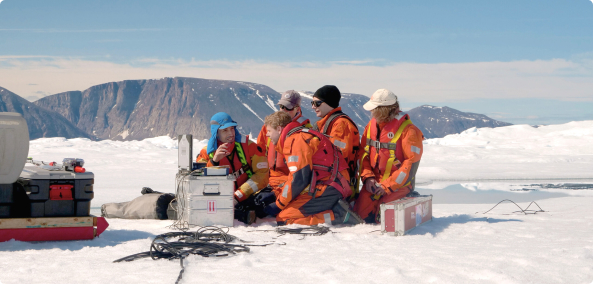
Life in Antarctica is similar to that which astronauts face in outer space. In both cases, you have people in good physical condition of a comparable age range who live together under a challenging situation: extreme isolation and confinement, interactions with the same people day in and day out and very little fresh food.
Immunity becomes weaker in extreme environments and is one of the main obstacles to overcome during extended space travel. As part of her research on immunity during space missions, Professor Sarah Baatout takes blood and other samples from astronauts before, during and after their flights.
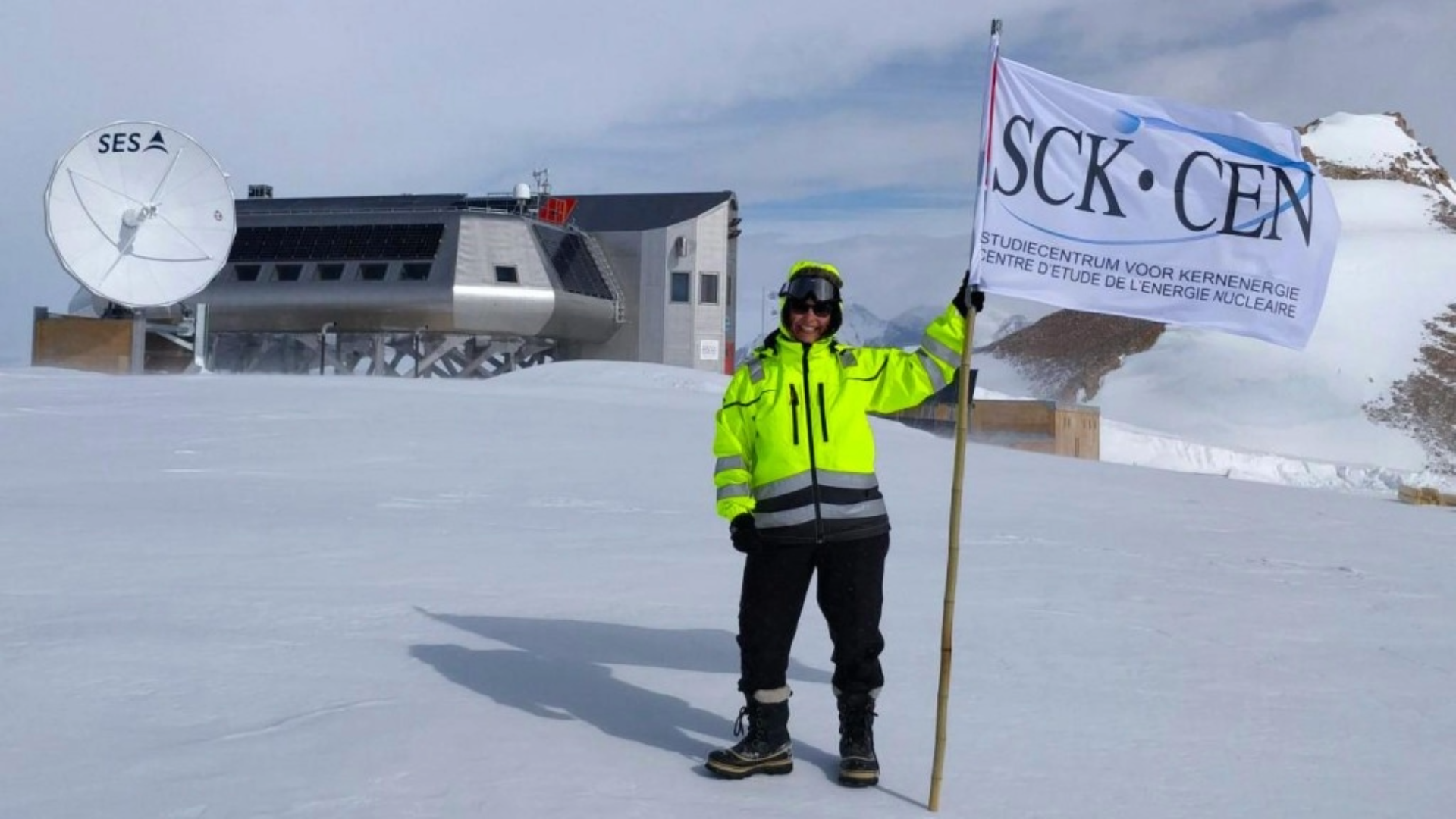
As part of her research, she spent an austral summer season at the Princess Elisabeth Antarctica studying the response of crew members to prolonged confinement living with the same people every day for several months, and monitored their immune responses. She observed how they responded to supplementing their diets with spirulina, a common yet easy to cultivate cyanobacteria that is packed with nutrients. Spirulina is a good candidate for long-term space flight because it can easily be grown in outer space and could be used to enhance and sustain the immunity of astronauts.
During her stay at the Princess Elisabeth Antarctica, Professor Baatout also tested the stability of 20 different medicines inside and outside the station to see if they could be used in the medical kits of astronauts on future missions.