


MONASPA
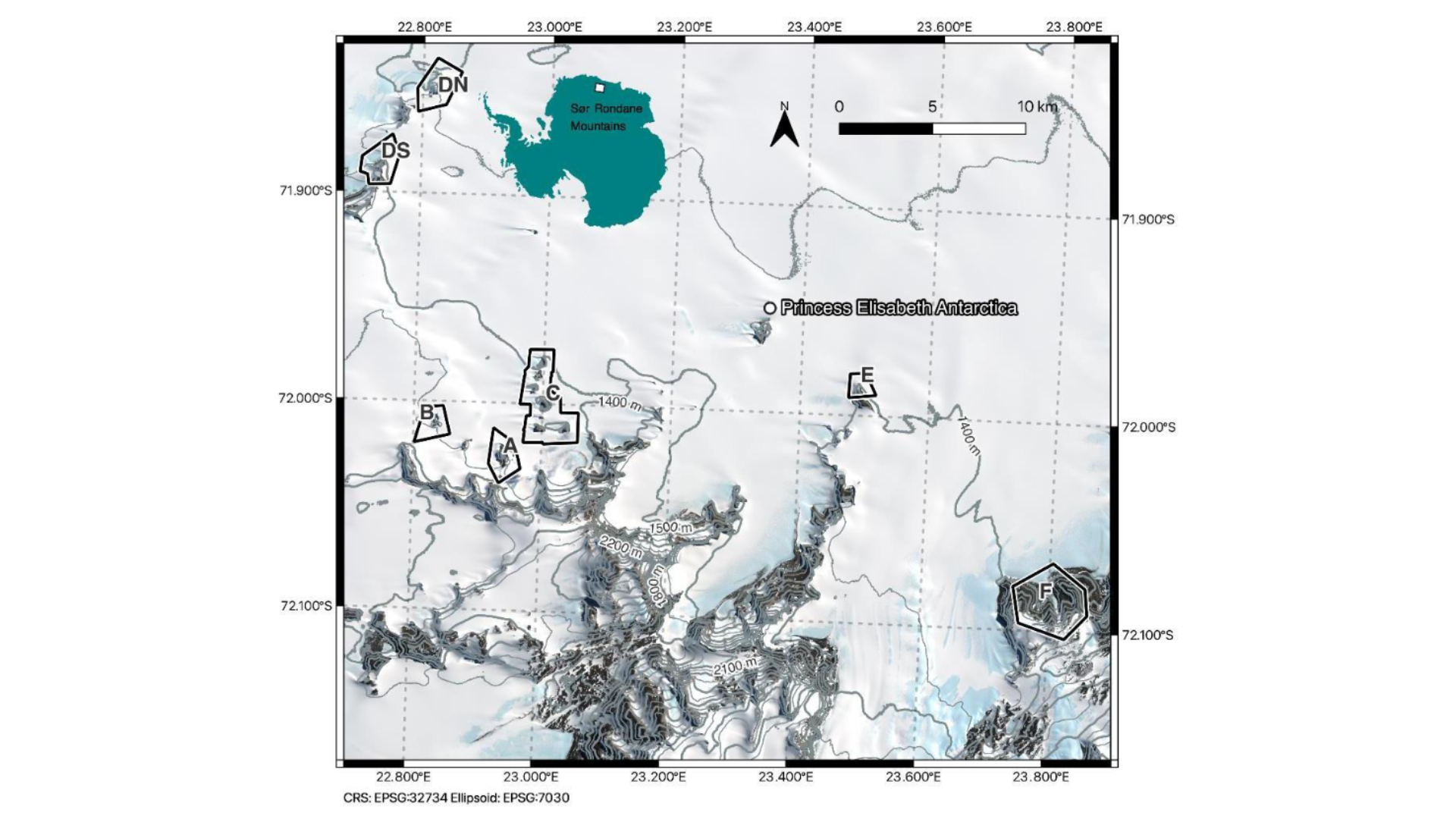
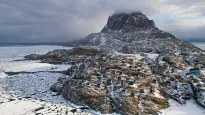
During the ATCM XLV - CEP XXV meeting in 2023, seven ice-free sites in the Western Sør Rondane Mountains were designated as part of Antarctic Specially Protected Area (ASPA) 179 to protect their unique environmental, scientific, aesthetic and wilderness values.
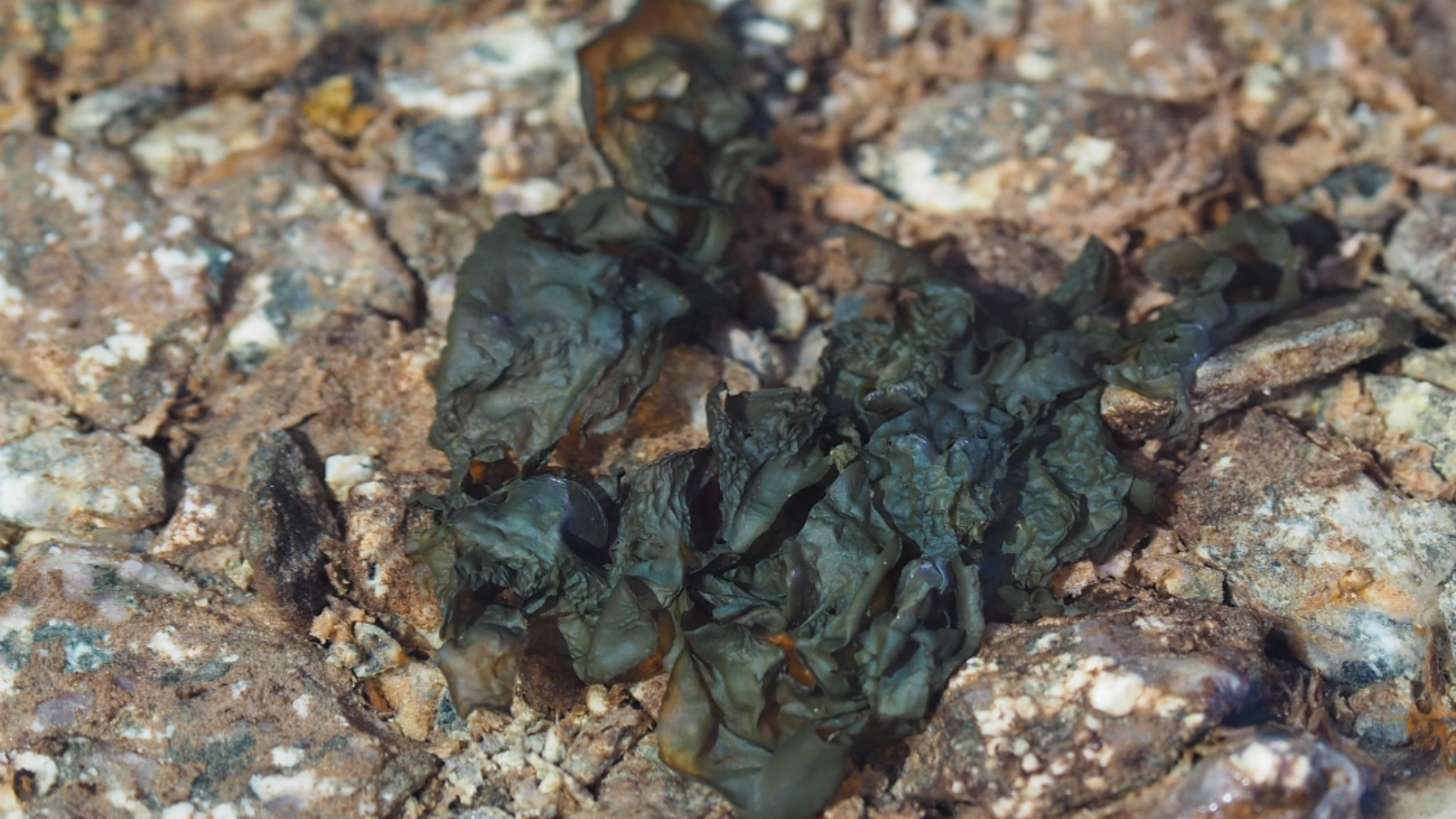
The biological communities inhabiting these sites are mainly composed of microorganisms and are vulnerable to environmental changes and human impacts, including trampling, oversampling and the introduction of non-native microbial taxa. Belgium developed a Management Plan for these protected areas, and the MONASPA project aims to establish an environmental monitoring program to assess whether the protection measures are effective and to identify potential changes over time.
MONASPA uses a multidisciplinary approach to investigate changes in soil microbial communities, including lichens and bryophytes, as well as microinvertebrate communities. The project combines habitat mapping, measurements of environmental conditions such as soil temperature, moisture and snow cover, DNA sequencing, and the study of airborne transport of microbial particles between sites.
During the 2026-2027 field season, researchers will install and collect monitoring equipment, deploy wind traps to collect airborne microbial particles, use drones to map biological communities, and investigate potential locations for long-term monitoring plots across ASPA 179. The collected data will contribute to understanding future changes in Antarctic ice-free ecosystems and the effectiveness of environmental protection measures.