Globe Lines

international
polar
foundation

subline

A “Zero Emission” Station?

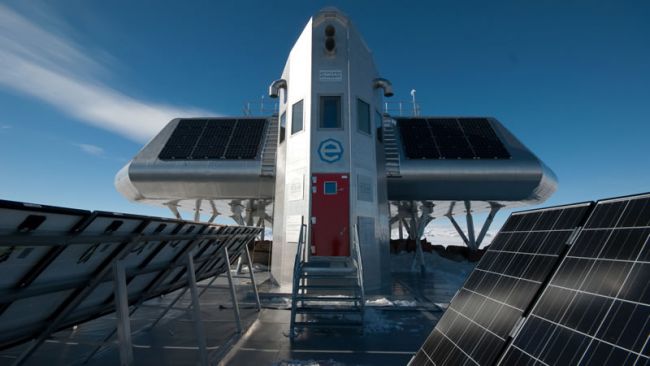
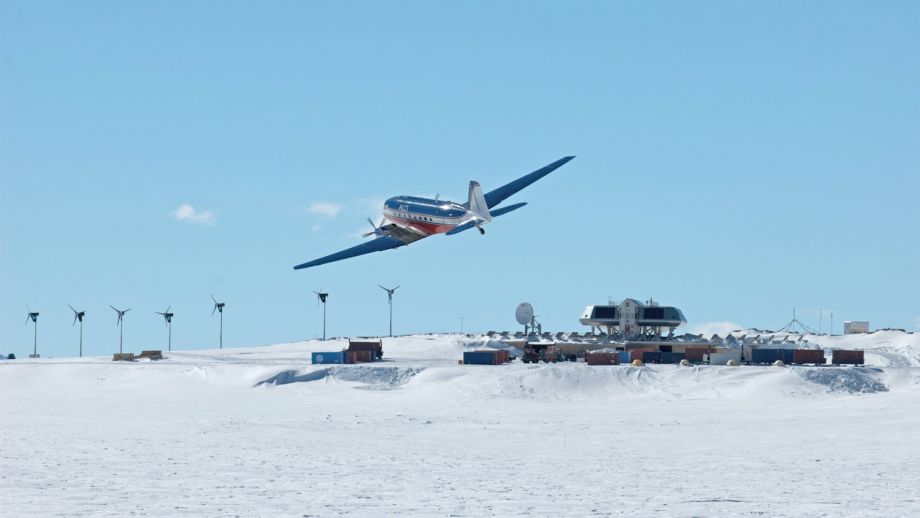
For decades, Antarctica has been a home cutting edge science and a shining example of international governance through collaboration. It was here, in the remote part of the pristine environment, that the International Polar Foundation heralded the return of Belgium to the Antarctic continent with the world's first “zero emission” scientific research station: Princess Elisabeth Antarctica.
Project Background

Ever since the days of the days of the Belgica in 1898, Belgium has maintained strong ties to the white continent. An original signatory of the Antarctic Treaty, Belgium went on to build the King Baudouin research station, which closed its doors in 1967.

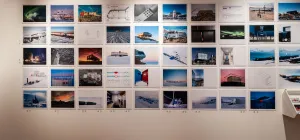
Four decades later, the International Polar Foundation initiated Belgium's return to Antarctica, by conceiving, designing and building the "zero emission" Princess Elisabeth Antarctica research station, as a legacy project of the 2007-2008 International Polar Year.
Project Background

Where is Princess Elisabeth Antarctica?

Princess Elisabeth Antarctica is solidly anchored upon the granite ridge of Utsteinen Nunatak, at an altitude is of 1382 metres, in the Dronning Maud Land region of East-Antarctica. The zero emission polar research station, which is approximately 220 Km from the Antarctic coast, is an ideal logistics hub for field exploration in the 20°- 30° E sector of Antarctica.

Location Map

Integrating Existing Technologies