

IPF visits St George's school in Luxembourg for a day dedicated to polar science and sustainability
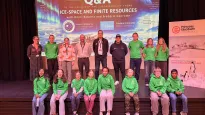
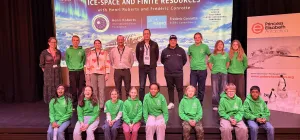
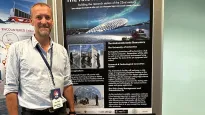
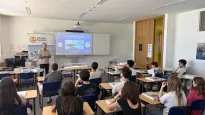
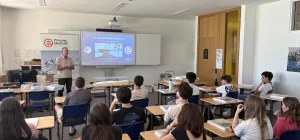
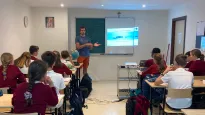
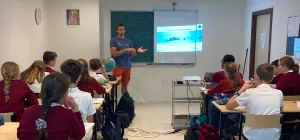
On October 13th, IPF’s Science Liaison Officer Henri Robert, Managing Director Nicolas Van Hoecke and Intern Céleste Nonnenmacher visited St George’s school in Luxembourg for an engaging day dedicated to polar research, sustainability, and climate action.
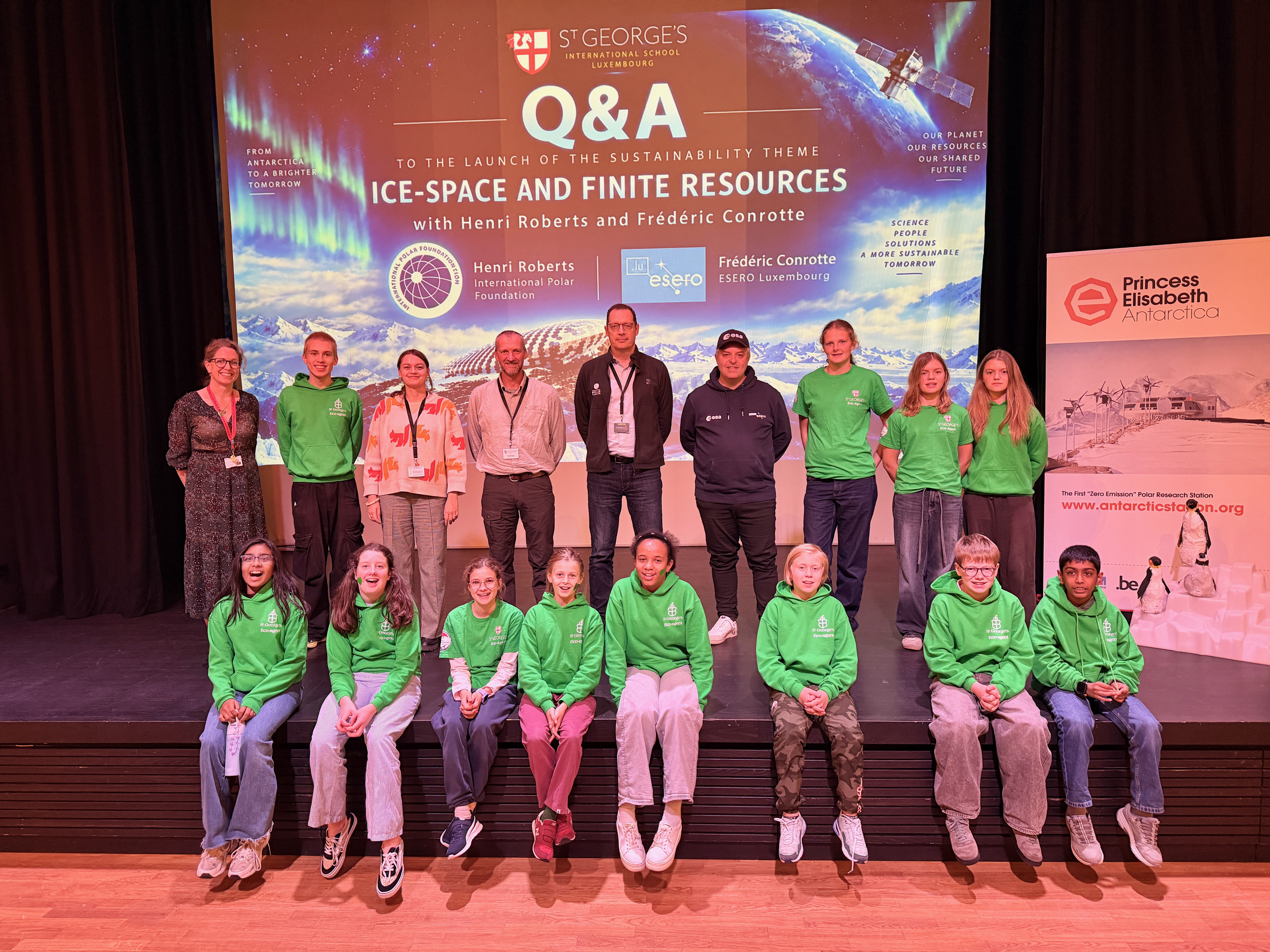
On October 13th, IPF’s Science Liaison Officer Henri Robert, Managing Director Nicolas Van Hoecke and Intern Céleste Nonnenmacher visited St George’s school in Luxembourg for an engaging day dedicated to polar research, sustainability, and climate action.
IPF's Science Liaison Officer Henri Robert gave a presentation to St George’s students on the relevance of polar science in a world increasingly affected by climate change. He introduced the audience to the world’s only zero-emission polar research station, the Princess Elisabeth Antarctica, co-designed by SAMYN and PARTNERS architects & engineers, and operated by IPF. The visit aimed to inspire students, broaden their perspectives on future career opportunities, and showcase IPF’s work and Belgium’s contribution to polar research in Antarctica.
It also marked the launch of St George’s Primary Sustainability Competition, which runs until February 2027. Sponsored by Voltmax, in partnership with IPF, Luxembourg ESERO, and the Luxembourg Space Agency, the competition challenges students to design one part of the IPF-led international Andromeda Earth Observatory, designed by SAMYN and PARTNERS architects & engineers. Through this project, students are invited to imagine how the future station’s interior could be designed to support sustainable living and scientific research in an extreme environment.
The programme continued in the evening with a screening of the documentary 2050, by Eric Goens and Kristof Van Den Bergh. Tracing the history of Belgium’s presence in the polar regions, from Adrien de Gerlache’s pioneering Antarctic expedition in 1897 to the operation of the Princess Elisabeth Antarctica research station, the film highlights the vital role of polar science in understanding and adapting to the consequences of climate change, while emphasising the need for increased and immediate action to develop sustainable solutions to protect our planet.
The day concluded with a presentation by Frédéric Conrotte from ESERO Luxembourg, explaining how Copernicus satellite data helps scientists monitor changes taking place across the planet and contributes to a better understanding of climate change.
Download