

Communication Upgrades and Preparation Underway for Arrival of Scientists
Over the past two weeks, the BELARE team has been finalising the opening of the station, preparing equipment for the upcoming season, and scheduling field activities for the scientists.
Over the past two weeks, the BELARE team has been finalising the opening of the station, preparing equipment for the upcoming season, and scheduling field activities for the scientists.
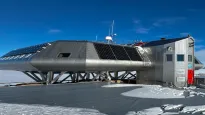
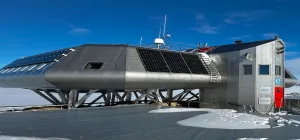
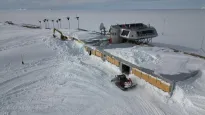
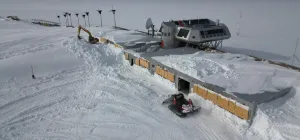
Ahead of the field campaigns to the coast and surrounding mountain ranges, the BELARE team has finished clearing the snow from the terrace in front of the station’s annexes. In preparation for the arrival of the first group of scientists next week, the team has been hard at work making all the necessary preparations.
One of the most important things the team prepares are the expedition containers. These converted shipping containers are designed to serve as self-contained mobile living quarters, offering scientists a heated space to rest, prepare meals, and access hot water while working in harsh remote conditions. The containers are indeed equipped with micro snow melters capable of turning snow directly into fresh drinking water. The containers help bring a bit of comfort and security during long field expeditions in the heart of Antarctica!
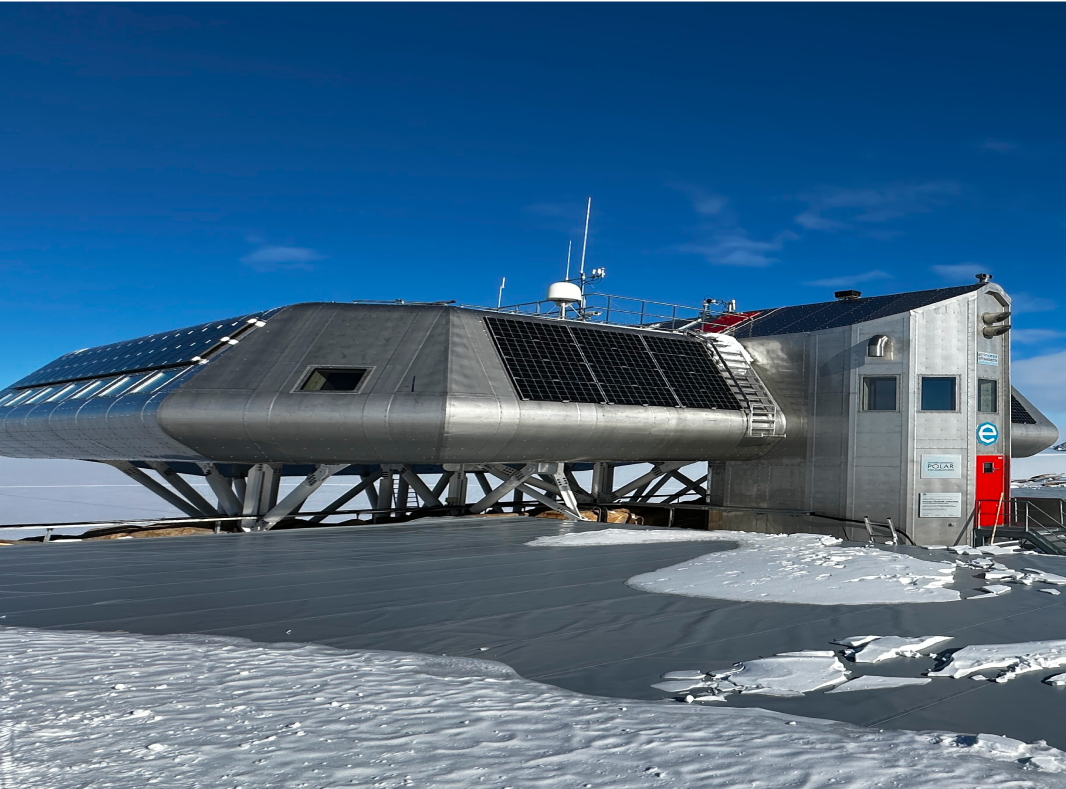
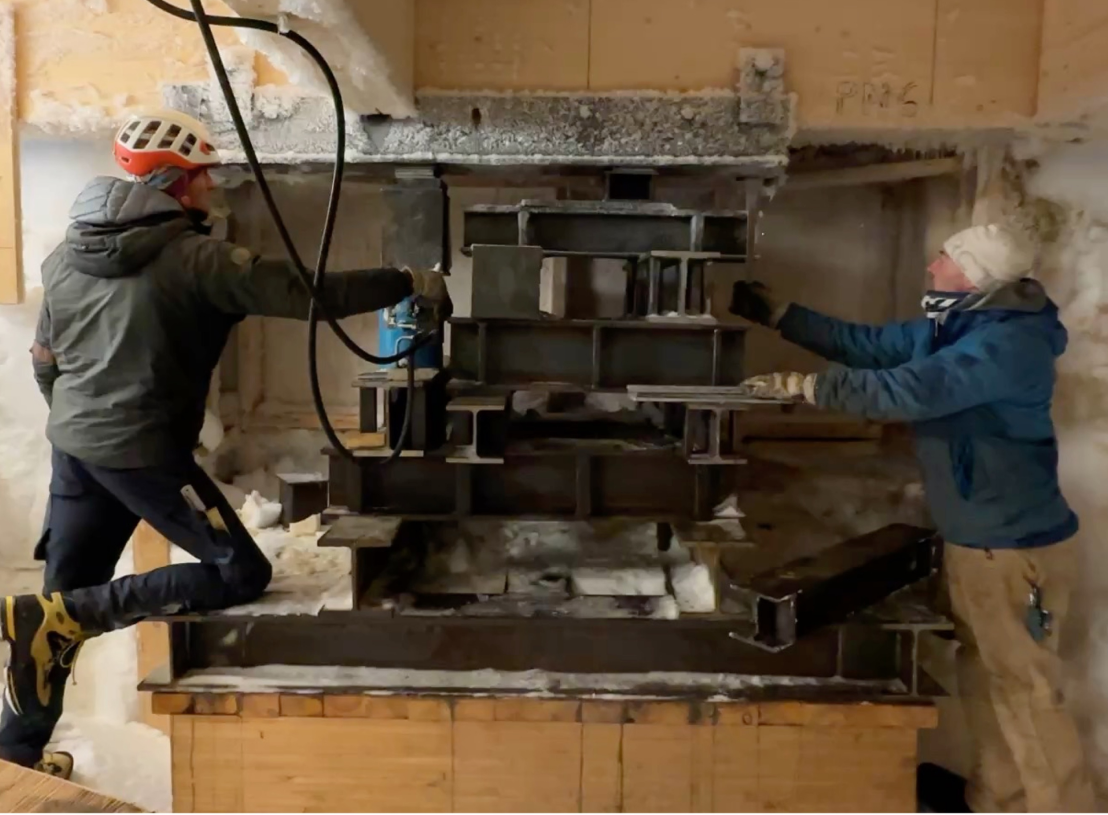
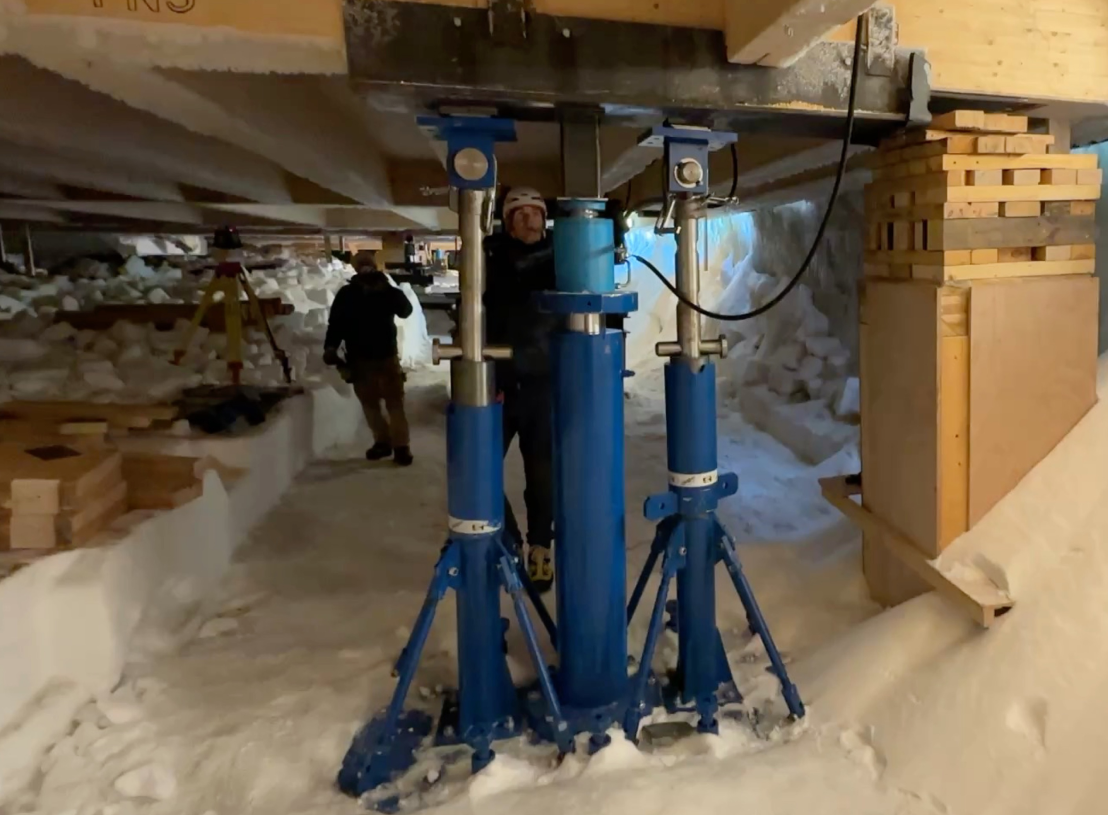
The team has also been busy with levelling up the Princess Elisabeth Antarctica’s annexes. Maintaining a permanent structure in Antarctica requires constant adjustments. Because the station’s annexes sit directly on a moving glacier, the ice beneath it gradually shifts downward and pulls away from the adjacent rock face by roughly 15 centimeters vertically and laterally each year. To prevent the annexes from tilting, one side of the annex is anchored to the bedrock with hinges, allowing it to pivot as the glacier sinks. Every season, crew members descend beneath the building into a sub-surface maintenance area known as the “catacombs.” Using heavy duty jacks, the team lifts the wooden structural supports of the annexes and inserts layers of metal shims to bring the entire structure level.
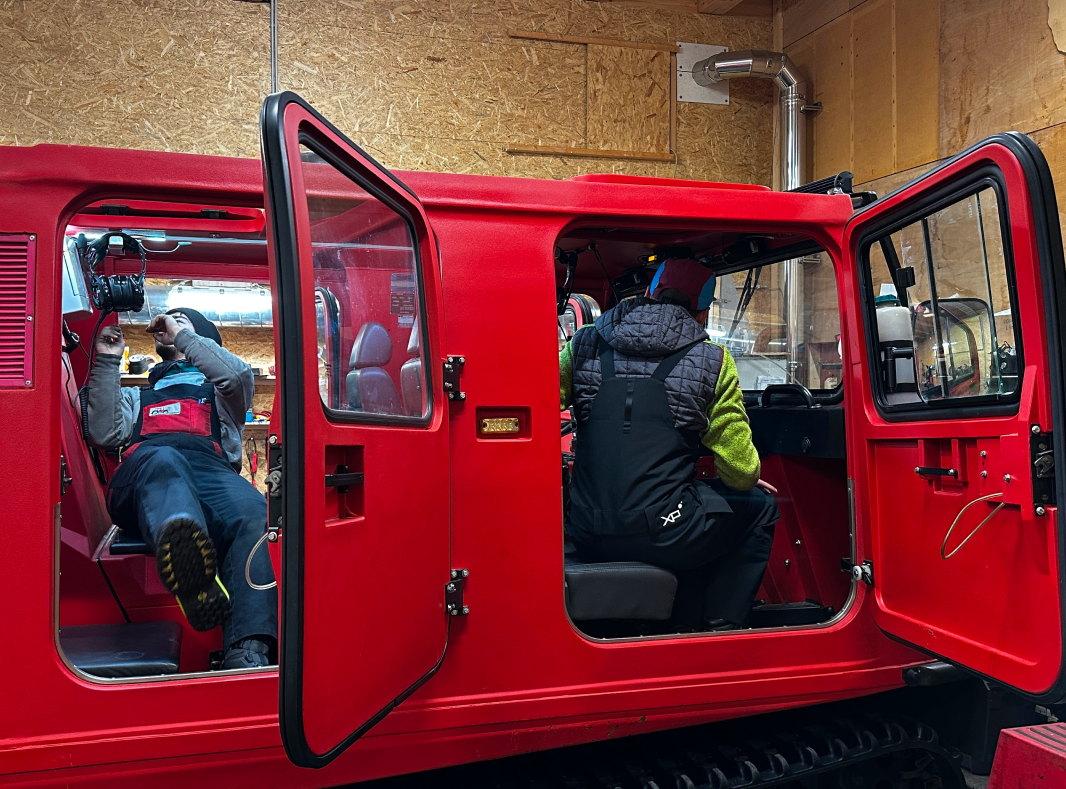
Mechanics are also servicing all the different vehicles at the station, such as Prinoth tractors and snowmobiles ahead of field operations. Because vehicles often travel several hundreds of kilometers out onto the ice away from the station, they must be 100% reliable. Mechanics are thus performing routine maintenance, handling minor repairs, and deciding which vehicles to prioritize for scientists, field guides, doctors and IPF staff.
Inside the station, living conditions are getting comfortable following the startup of the main water production system last week. With the annex doors now open, the team can feed fresh snow into the station’s snow melter, supplying running water to the kitchen, bathrooms, toilets, and laundry facilities. With sufficient water reserves now established but with increasing demands for everyday’s life, technicians have activated the station’s water treatment system, which is a critical step for recycling as much of the precious liquid water available and ensuring all wastewater is processed cleanly to keep the surrounding environment pristine.
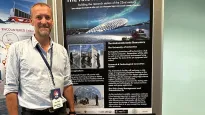
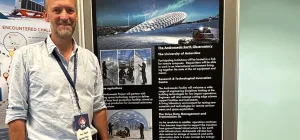
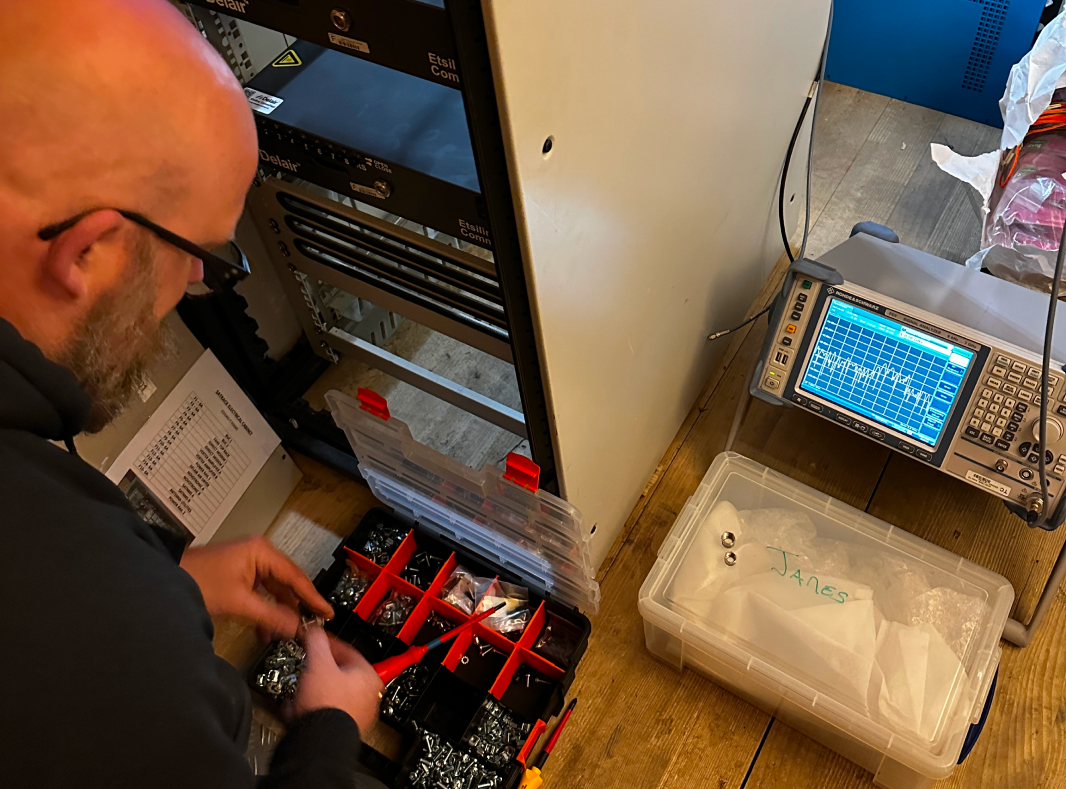
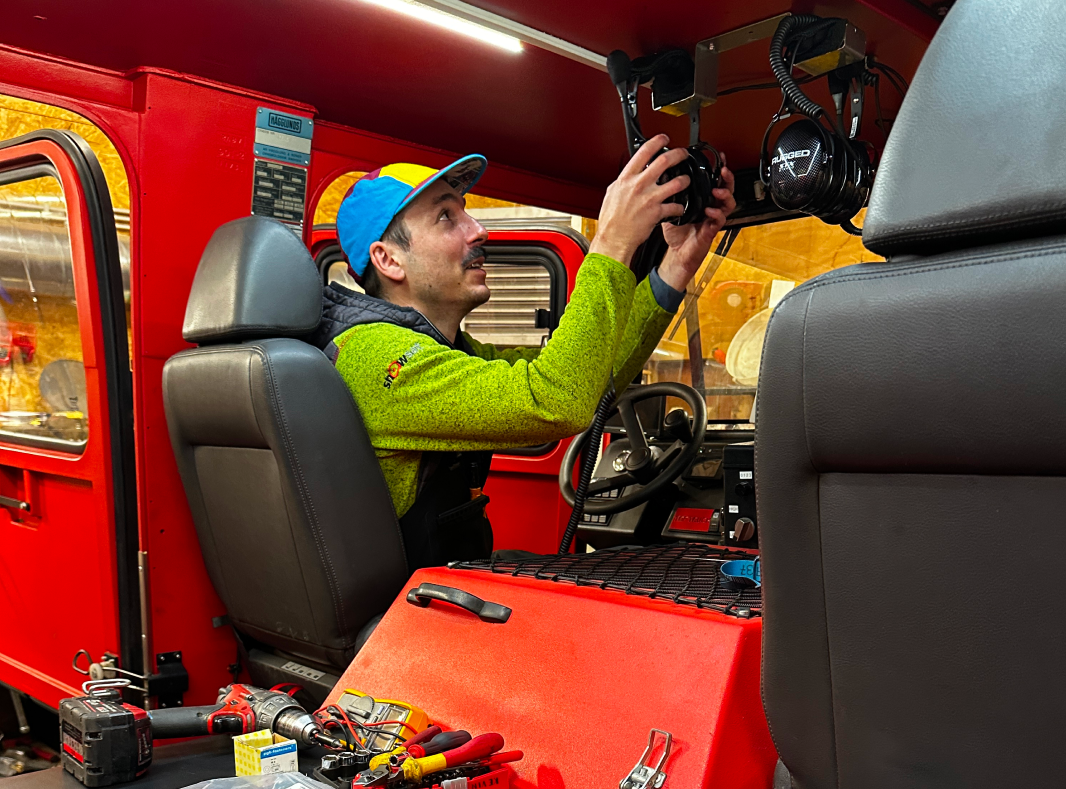
Newcomer Bjorn Geus, the main engineer for all electronics and IT communication, has improved the station’s network and security. He has also been working on switching from the Iridium satellite system to a new SES communication system to support data generation from incoming equipment and scientists. Additionally Bjorn has been experimenting with extending radio coverage over a larger radius around the base. This upgraded internal network would provide an alternative to VHF radio, the standard voice-only walkie-talkies used in polar fieldwork. It would allow the team to use messaging apps on their personal phone like WhatsApp out in the surroundings of the station, for example at the Winter Park 3 km away and even support video communications without the need for a satellite uplink!
Now the team is actively preparing for the Ultima Antarctic Logistics cargo flight arriving at Perseus Intercontinental runway on November 23rd. The plane will carry nine scientists, two field guides, Salome Franssen who will provide support to the station’s cook and our old friend and water systems engineer Aymar de Lichtervelde, who will work alongside the plumber Simeon Polet on the water treatment system, as well as Baptiste Verdin for all construction work. As a result, the team has already started to clear the three-kilometre runway , pushing all the snow away and making the surface rough enough for a wheeled plane to land. They’ve also been starting up the renewable energy, water production and treatment systems in the hangar next to the runway, allowing those arriving or departing to have a comfortable place to wait, have a hot meal, or even sleep over if necessary.
Download