

Scientific Teams Prepare in Cape Town for Antarctic Expedition
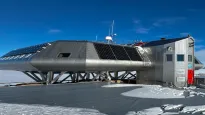
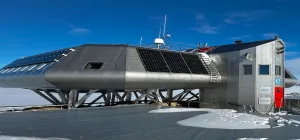
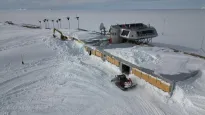
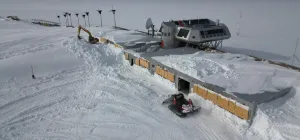
While the crew currently staying at Princess Elisabeth Antarctica and Perseus runway have been busy preparing the runway for the cargo plane arriving on November 25th to bring the first batch of scientists, the latter have been preparing for their departure to Antarctica in Cape Town, South Africa.
While the crew currently staying at Princess Elisabeth Antarctica and Perseus runway have been busy preparing the runway for the cargo plane arriving on November 25th to bring the first batch of scientists, the latter have been preparing for their departure to Antarctica in Cape Town, South Africa.
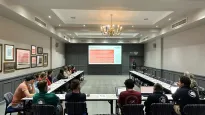
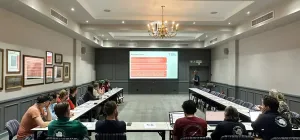
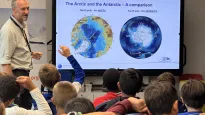
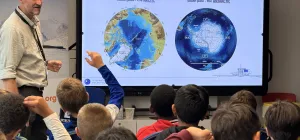
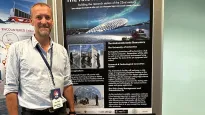
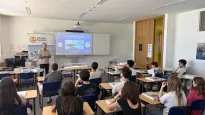
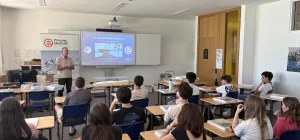
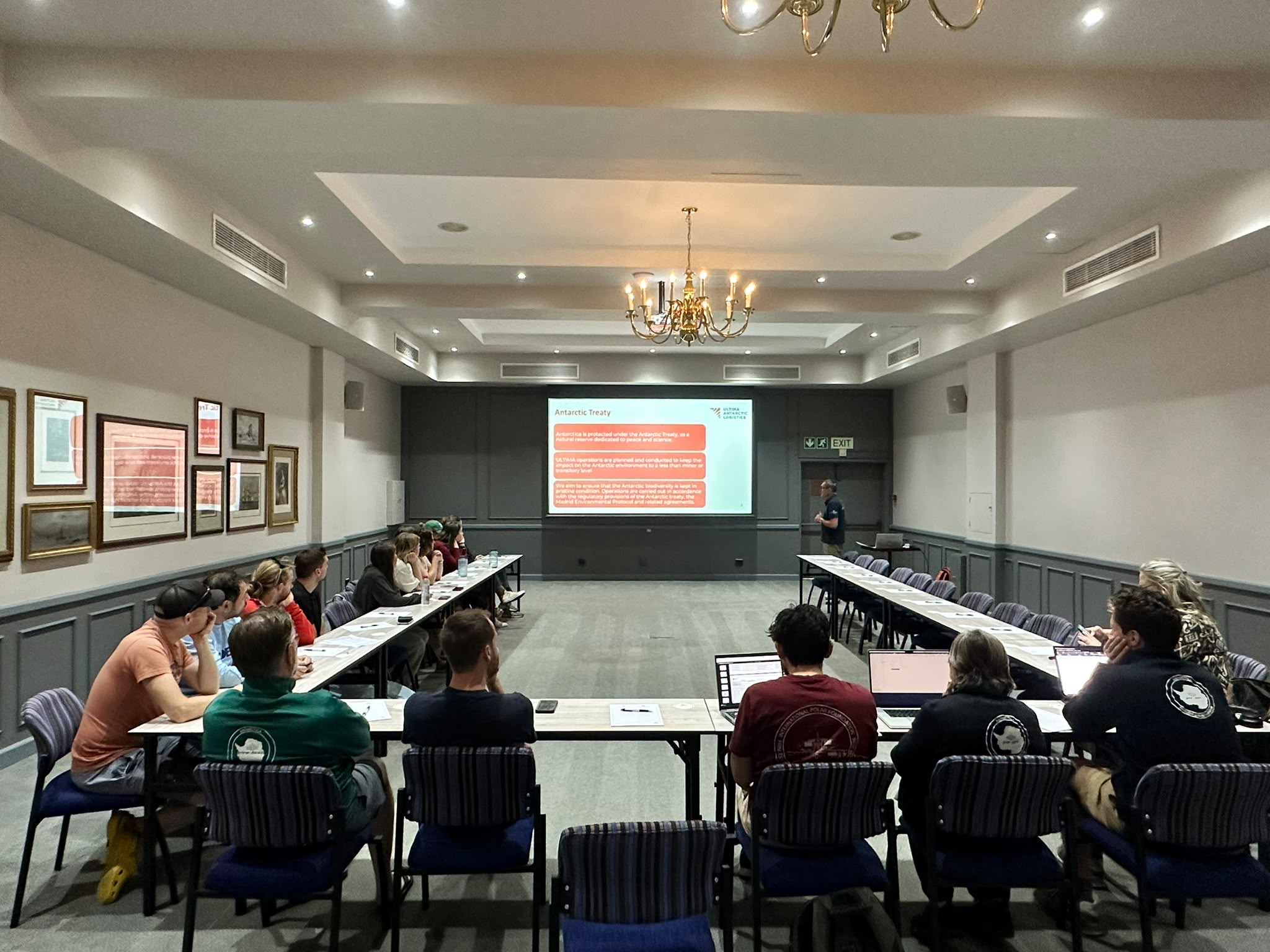
Just as the crew currently at Princess Elisabeth Antarctica did before them, scientists taking part in this year’s Belgian Antarctic Research Expedition (BELARE) attended a mandatory briefing presented by Ultima Antarctic Logistics air company. The presentation covered essential flight safety protocols, environmental guidelines under the Antarctic Treaty, and logistical procedures for luggage and scientific cargo handling. The teams also spent time at the International Polar Foundation (IPF) Cape Town office to choose their polar clothing and gear they will receive upon landing in Antarctica, ensuring they arrive on the ice fully equipped.
On this flight, scientists from the following projects will be heading to PEA later this week:
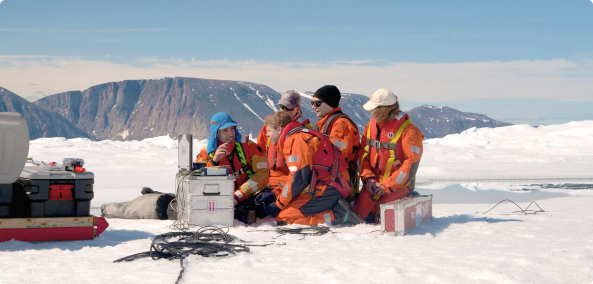
FROID: A team of four women composed of Sarah Wauthy, Maaike Izeboud, Zoe Bosman and Abby Hudak will spend a month in the Balchenfjella area searching for very old ice among some target blue ice fields. The ice in these fields is created on the Antarctic plateau, following millennia of precipitation piling up. It appears blue because of the intense pressure of the snow layer one above that squeezed air bubbles out of it while turning into ice, allowing the dense ice to absorb red light and scatter blue light back to our eyes. This blue ice gets pushed vertically to the surface by the relief of the bedrock relief and mountains as the ice slowly flows away from the interior of Antarctica towards the coast. Because of intense ablation and sublimation, this blue ice is exposed right at the surface, allowing scientists to study it without having to drill deep into the ice sheet to find these deep, ancient ice layers. Working with a weather station and radar equipment, they will study the exact movement of the ice and measure how much of this ice turns directly from ice into water vapour due to the sun or eroded by the wind.
MOAT: Led by glaciologist Frank Pattyn from the ULB, he and his team composed of Christoph Kittel and Marie-Axelle Gillain will assess the state of the King Baudouin ice shelf, studying its thickness, its movements and how climate change is affecting its state and speed. Understanding the dynamic of the ice shelves around the Antarctic continent is a key factor to predict sea level rise on a global scale. For this, they will deploy ApRES and C-Band radars across the ice shelf to measure its thickness and monitor melting. They will especially focus on the grounding line, i.e. the critical zone where the ice sheet detaches from the bedrock and begins to float on the ocean, which is where rapid melting begins. Their work will directly complement the research Dr. Eric Rignot (University of California, Irvine) is conducting for the NISAR project. Both projects work on different areas of the grounding line, and seek to enhance our knowledge of what happens at the bottom of the ice shelf forming at that critical zone.
DOMINO: EPFL scientist Samuel Viaro will be studying the fate of the precipitations around Princess Elisabeth station. Antarctica is actually the largest desert on Earth, receiving even less precipitation than the Sahara. Samuel is investigating what happens to snow in an environment where it never rains. Specifically, he seeks to understand the snow fluxes at different heights and whether it accumulates locally or if it’s simply blown in from elsewhere, and what happens to it afterward.
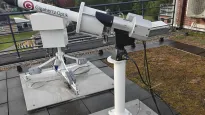
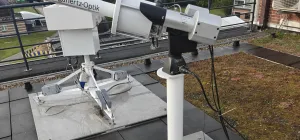
ROMA: Ester Koistinen will be installing the BTS-Solar instrument, provided by the Royal Meteorological Institute of Belgium (IRM) to study the ozone layer. This device works alongside the CIMEL and Pandora instruments installed last year, as well as the Brewer Ozone Spectrophotometer, which the BTS-Solar will eventually replace. While at Princess Elisabeth Antarctica, Esther will also study atmospheric monitoring systems from the former PASPARTOUT project, which continues to run on a continuous basis at the station, and focuses on atmospheric circulation and clouds-aerosol interactions in Antarctica.
Download