


Antarctica: A Remote Sentinel with Global Consequences
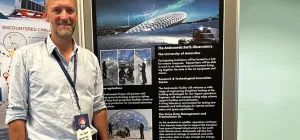
At the first ever Antarctic Futures Symposium, Eric Rignot, Pressor of Earth System Science at UC Irvine, Senior Research Scientist at NASA Jet Propulsion Laboratory, sat down with REVOLVE Media to discuss the Andromeda Earth Observatory Project and the importance of conducting research in Antarctica.

At the first ever Antarctic Futures Symposium, Eric Rignot, Pressor of Earth System Science at UC Irvine, Senior Research Scientist at NASA Jet Propulsion Laboratory, sat down with REVOLVE Media to discuss the Andromeda Earth Observatory Project and the importance of conducting research in Antarctica.
The interview features glaciologist Eric Rignot, who argues that Antarctica is the Earth's most important "climate sentinel" because changes there provide an early warning of the planet's future. He explains that Antarctica's vast ice sheet is increasingly vulnerable to warming ocean waters, which melt ice shelves from below and allow glaciers to accelerate into the sea. While Antarctica seems remote, its ice contains enough frozen water to raise global sea levels dramatically, making its stability a matter of worldwide concern. Rignot emphasizes that satellite observations and field research have transformed scientists' understanding of Antarctic ice loss, revealing that some regions—particularly in West Antarctica—are already undergoing irreversible retreat on human timescales.
Beyond sea-level rise, Rignot stresses that Antarctica plays a central role in regulating Earth's climate through its interactions with the Southern Ocean, ocean circulation, and the global heat balance. He warns that the continent is changing faster than many earlier models predicted, underscoring the need for continued scientific monitoring and more ambitious reductions in greenhouse gas emissions. At the same time, he notes that improved satellite technology, international collaboration, and sustained polar research have greatly enhanced scientists' ability to detect and understand these changes. His overarching message is that Antarctica is not an isolated wilderness but a critical component of the Earth's climate system, and what happens there will have profound consequences for coastlines, weather, ecosystems, and societies around the world.
Photo: © Blitz / Chambre de Commerce Luxembourg
Download