


Andromeda: Alain Hubert's Bet on a New Station in Antarctica
An article appearing in the 14 August 2026 weekend edition of Belgian financial newspaper l’Echo gives a broad overview of the highly ambitious project, the reasons behind building it, and challenges the project may face on its way to being realised.
An article appearing in the 14 August 2026 weekend edition of Belgian financial newspaper l’Echo gives a broad overview of the highly ambitious project, the reasons behind building it, and challenges the project may face on its way to being realised.
Nearly 20 years after the completion of the zero-emission Princess Elisabeth station in Antarctica, Belgian explorer and entrepreneur Alain Hubert is spearheading an ambitious new project called the Andromeda Earth Observatory. Historically, Belgium has a rich tradition in polar exploration, beginning in 1897 with Adrien de Gerlache and continuing with the King Baudouin station in the 1950s. Following his historic 1997–1998 crossing of Antarctica, Alain Hubert came up with the concept of Belgium’s return to Antarctica to with the construction of the Princess Elisabeth, the world’s first zero-emission polar research station, a pioneering station funded through an innovative public-private partnership with the Belgian state and managed by the International Polar Foundation (IPF).
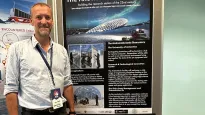
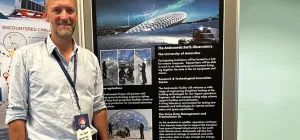
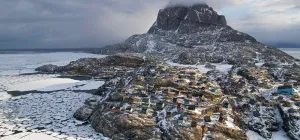
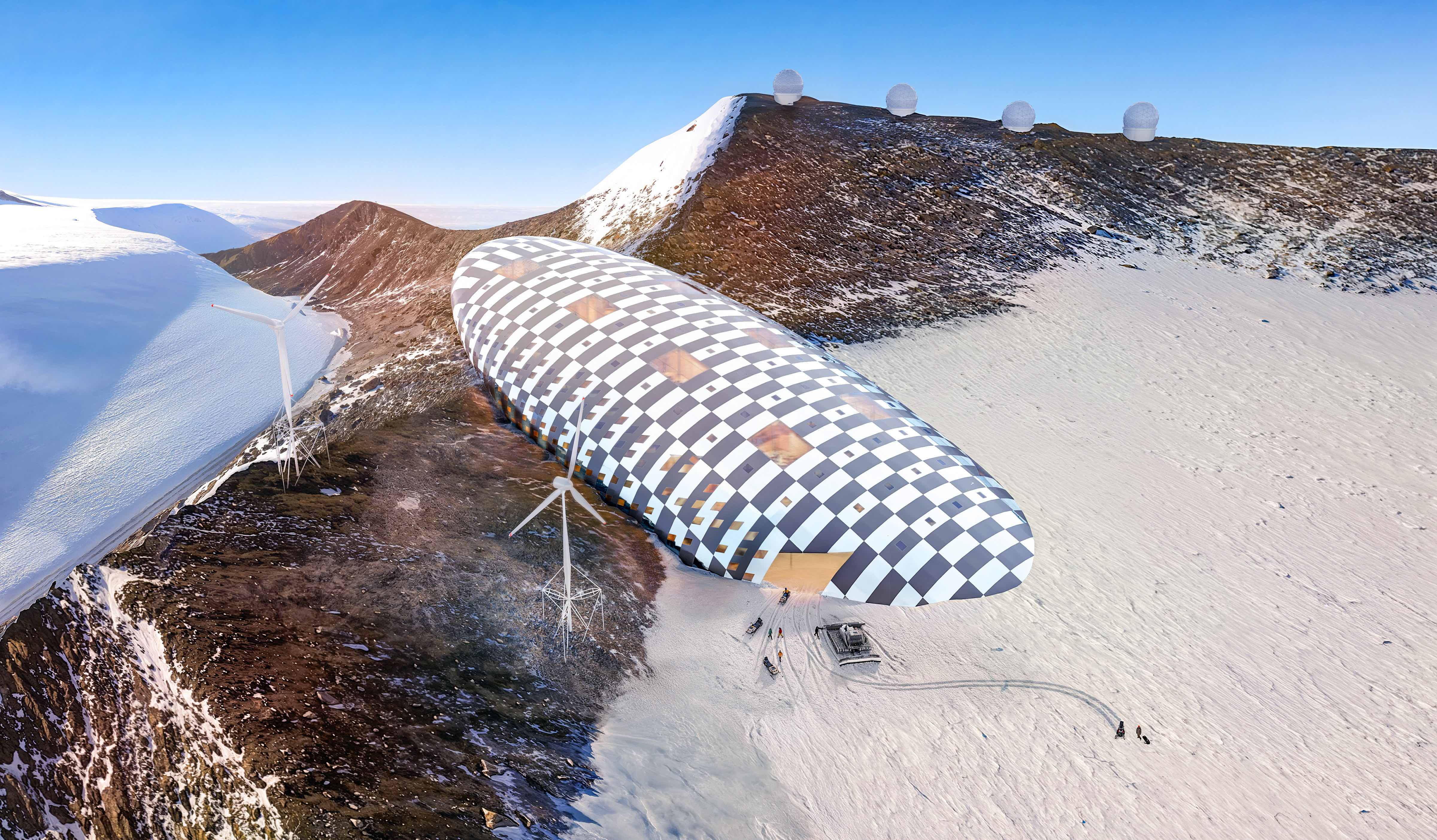
Planned for construction 30 kilometers from Princess Elisabeth on a rocky outcrop exposed to constant katabatic winds, the Andromeda station will feature a distinctive ellipsoidal design created by Samyn and Partners Architects & Engineers. Designed to run on 100% renewable energy and be inhabited year-round, the station will integrate an international university campus, an innovation lab, and a satellite teleport. Unlike traditional stations, where each is managed by one state (or in the case of Concordia Station, two), Andromeda aims to prioritise nations lacking significant research infrastructure in Antarctica such as Luxembourg, Canada, Switzerland, and the United Arab Emirates, turning Antarctic research into a true "global heritage".
The project addresses climate urgency amid a geopolitical landscape where Antarctica is drawing heightened interest (notably from China and Russia) while some Western research programs, especially in the US, face budget cuts. However, Andromeda carries an estimated price tag of around €72 million. The project hopes to secure funding from international partners and the private sector to move forward with the project.
Download