


Antarctica’s Next Research Station Rethinks How Humans Live on Ice
Freelance journalist, polar explorer and entrepreneur Grace Cordsen writes a thorough investigative piece about the Andromeda Earth Observatory project for the Arctic Research Foundation website (Canada).
Freelance journalist, polar explorer and entrepreneur Grace Cordsen writes a thorough investigative piece about the Andromeda Earth Observatory project for the Arctic Research Foundation website (Canada).
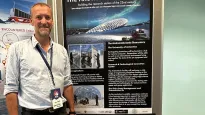
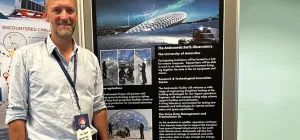
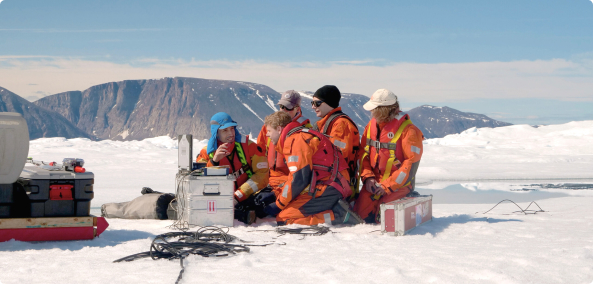
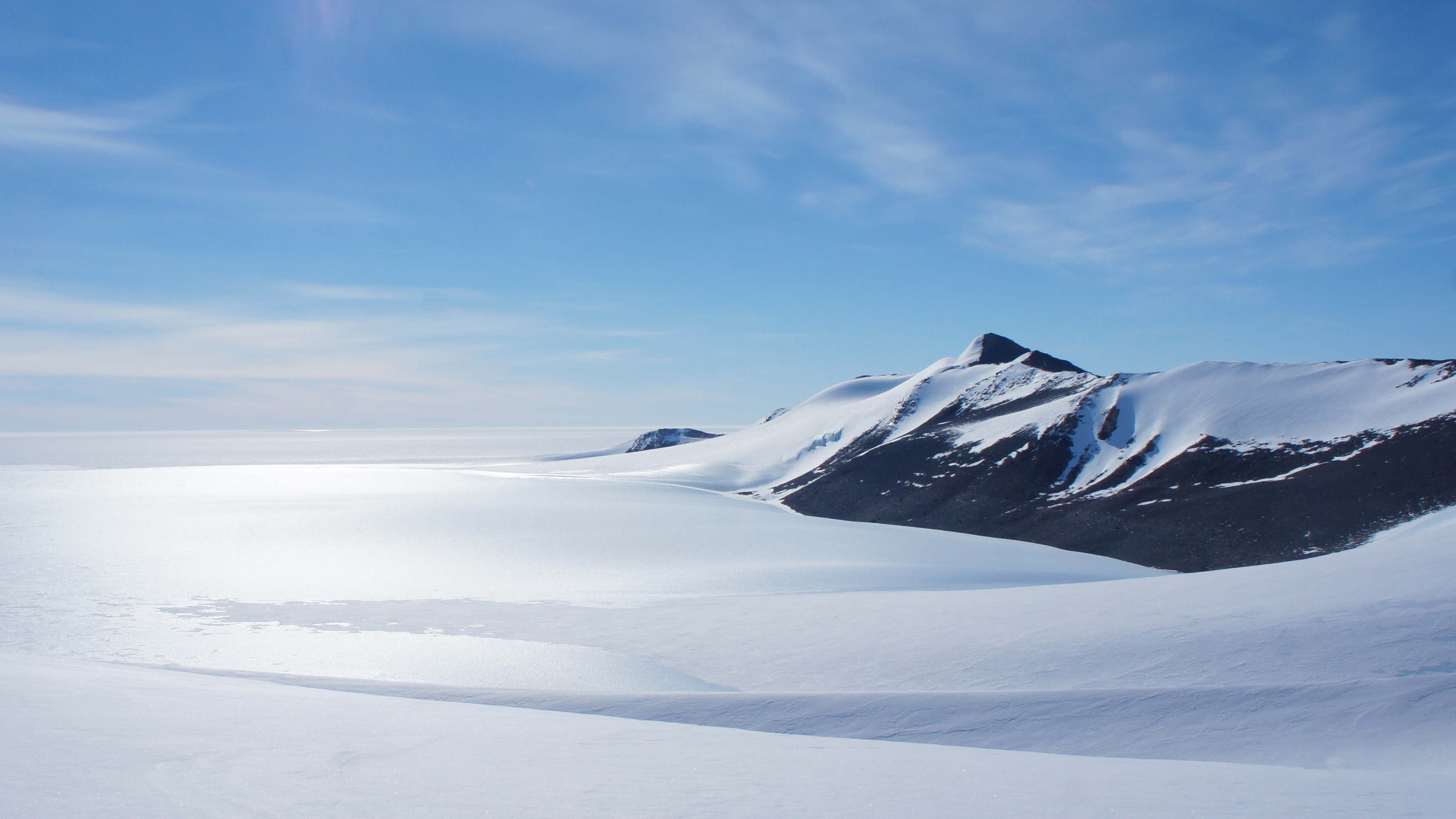
The proposed Andromeda Earth Observatory (AEO), spearheaded by the International Polar Foundation (IPF), aims to redefine how human infrastructure exists in extreme polar environments. Building on lessons from the zero-emission Princess Elisabeth Antarctica station, Andromeda is deliberately envisioned as an "observatory" rather than a conventional "station" to reflect its core focus on long-term observation and multidisciplinary science. Located in Queen Maud Land in East Antarctica, the hub seeks to break away from historical models of polar development by serving as a sustainable, low-impact model for extreme-environment living.
Architecturally and technologically, the observatory will focus on total operational autonomy through circular eco-design. Its infrastructure will include closed-loop water and waste recycling systems, hydroponic agriculture, low-carbon data centers, and smart-grid energy management. Excess heat from data processing and systems will be captured and redirected to warming living quarters and greenhouses, avoiding waste. Scientifically, Andromeda will provide access to critical yet under-studied phenomena, such as East Antarctica's ancient blue ice fields, ice-shelf cavities affecting global sea levels, and untouched terrestrial and marine biodiversity. It will also serve as a facility for space analogue testing and engineering research.
A key pillar of the Andromeda project is expanding global access to polar science by offering a permanent base for researchers, universities and nations that lack their own Antarctic infrastructure. However, significant obstacles remain before the project can become a reality. Beyond complex Antarctic geopolitics, the initiative faces key technological hurdles, such as zero-emission mobility and hydrogen storage, as well as the immediate need to secure full funding and operational partnerships internationally.
Download