


FROID
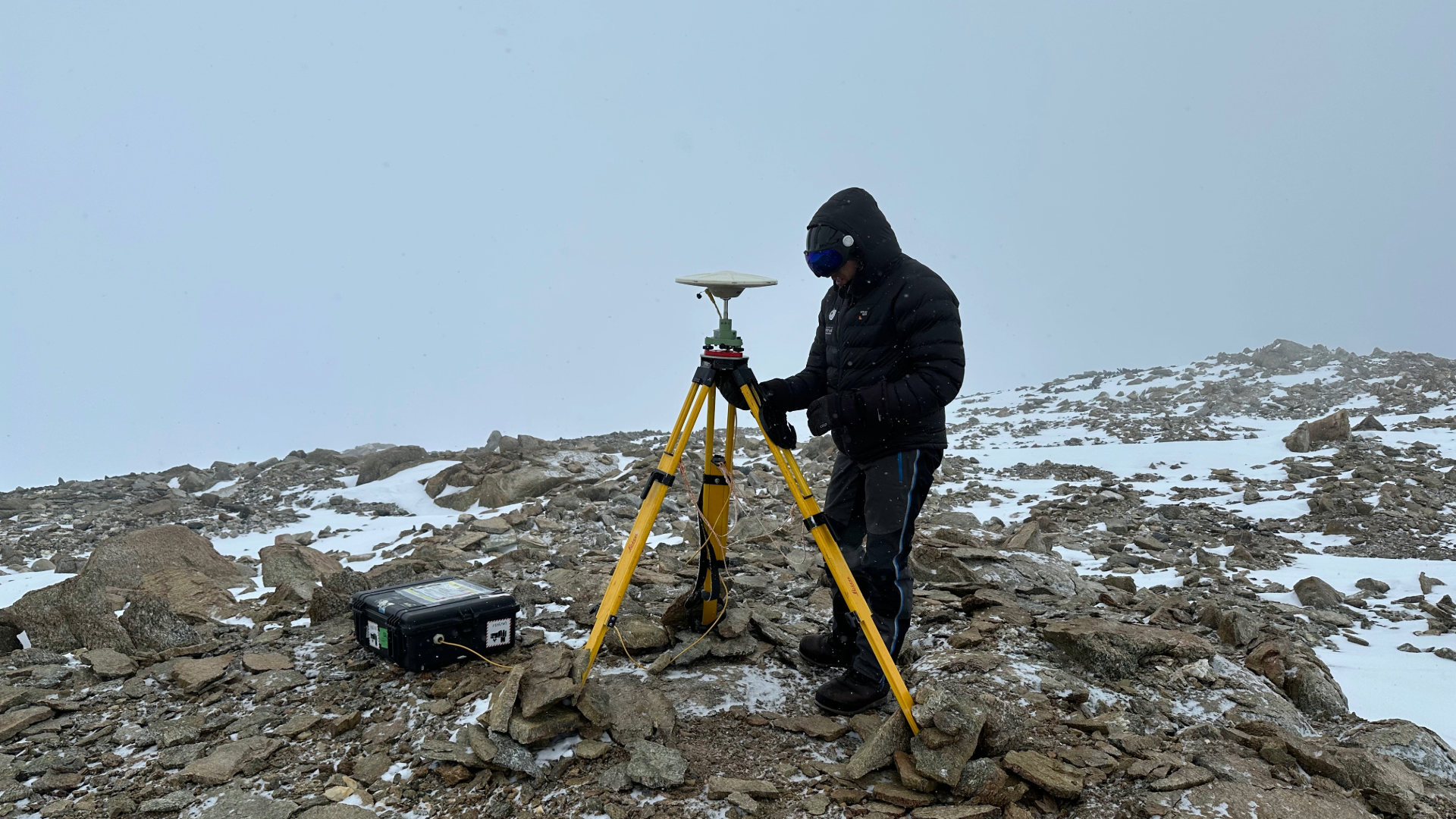
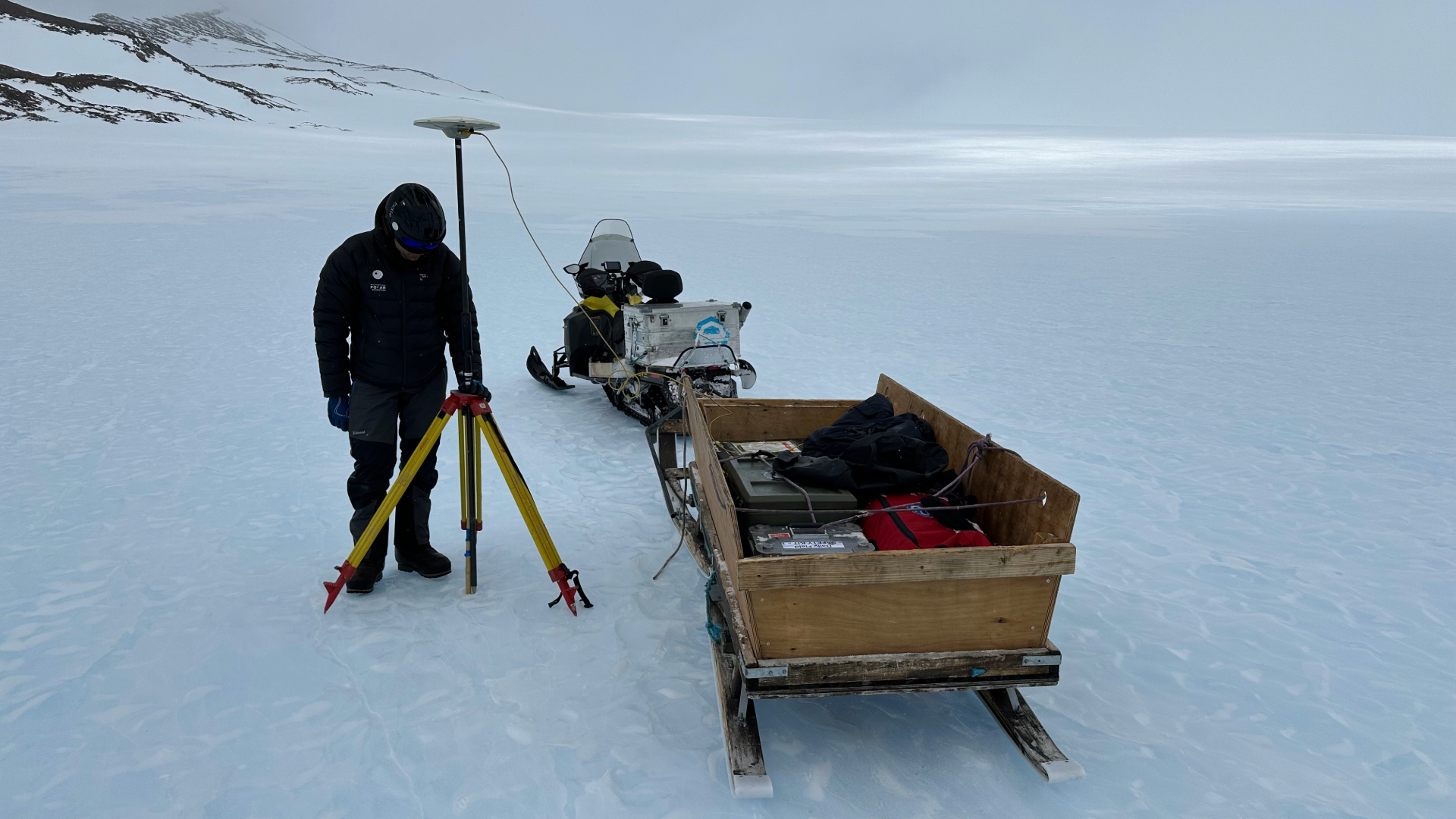
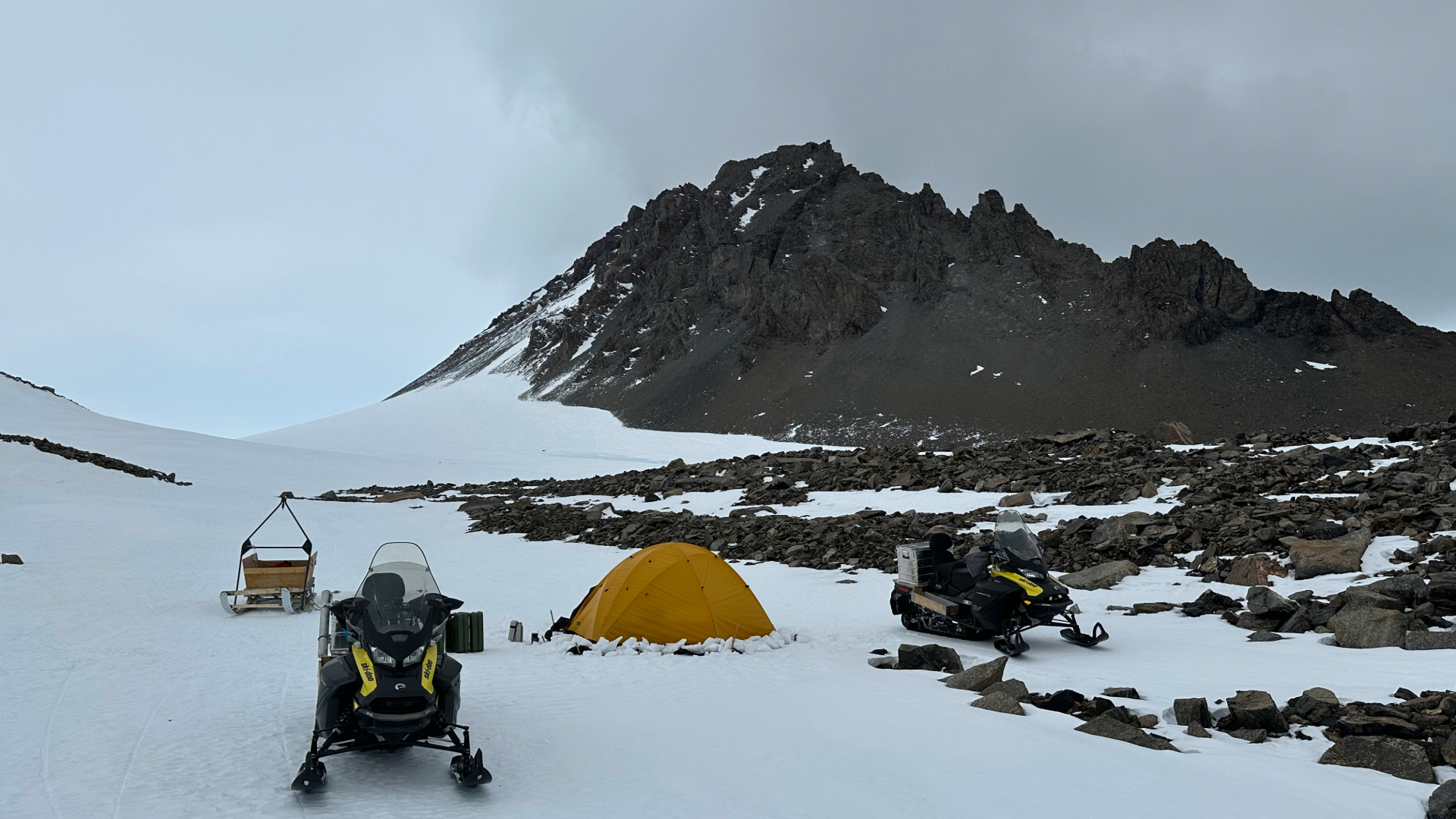
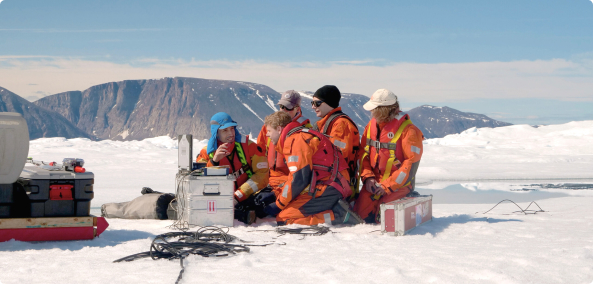
FROID (Finding the World's Oldest Ice Record) is a glaciology project that aims to locate and recover some of the oldest ice preserved on Earth from blue ice areas surrounding Princess Elisabeth Antarctica. Led by the Université Libre de Bruxelles (ULB), the project combines field observations, satellite data, ice-flow modelling and geochemical analyses to identify locations where ancient ice has been naturally brought close to the surface.
Unlike conventional ice cores drilled deep into the Antarctic ice sheet, FROID focuses on blue ice areas. In these regions, strong katabatic winds remove layers of younger snow while the movement of the ice sheet continuously exposes much older ice at the surface. This unique natural process offers an exceptional opportunity to access ice that may be between 800,000 years and more than one million years old.
By identifying and studying these ancient ice deposits, researchers hope to recover climate records extending further back in time than ever before. Such records preserve information about past atmospheric conditions, greenhouse gas concentrations and temperature, providing crucial evidence for understanding how Earth's climate has changed over hundreds of thousands of years.
A major scientific objective of the project is to improve our understanding of the Mid-Pleistocene Transition, a period in Earth's history when the rhythm of the planet's ice ages changed dramatically. Recovering exceptionally old Antarctic ice could help answer longstanding questions about the mechanisms driving these large-scale climate shifts and improve predictions of future climate change.