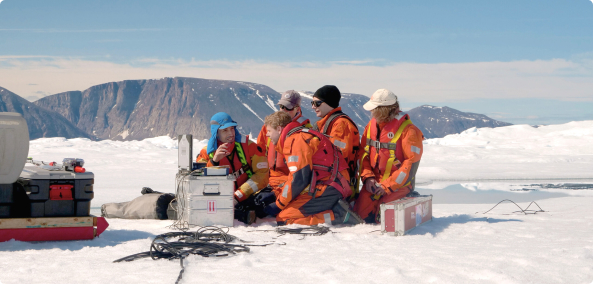



GAMMA SPECTROMETER
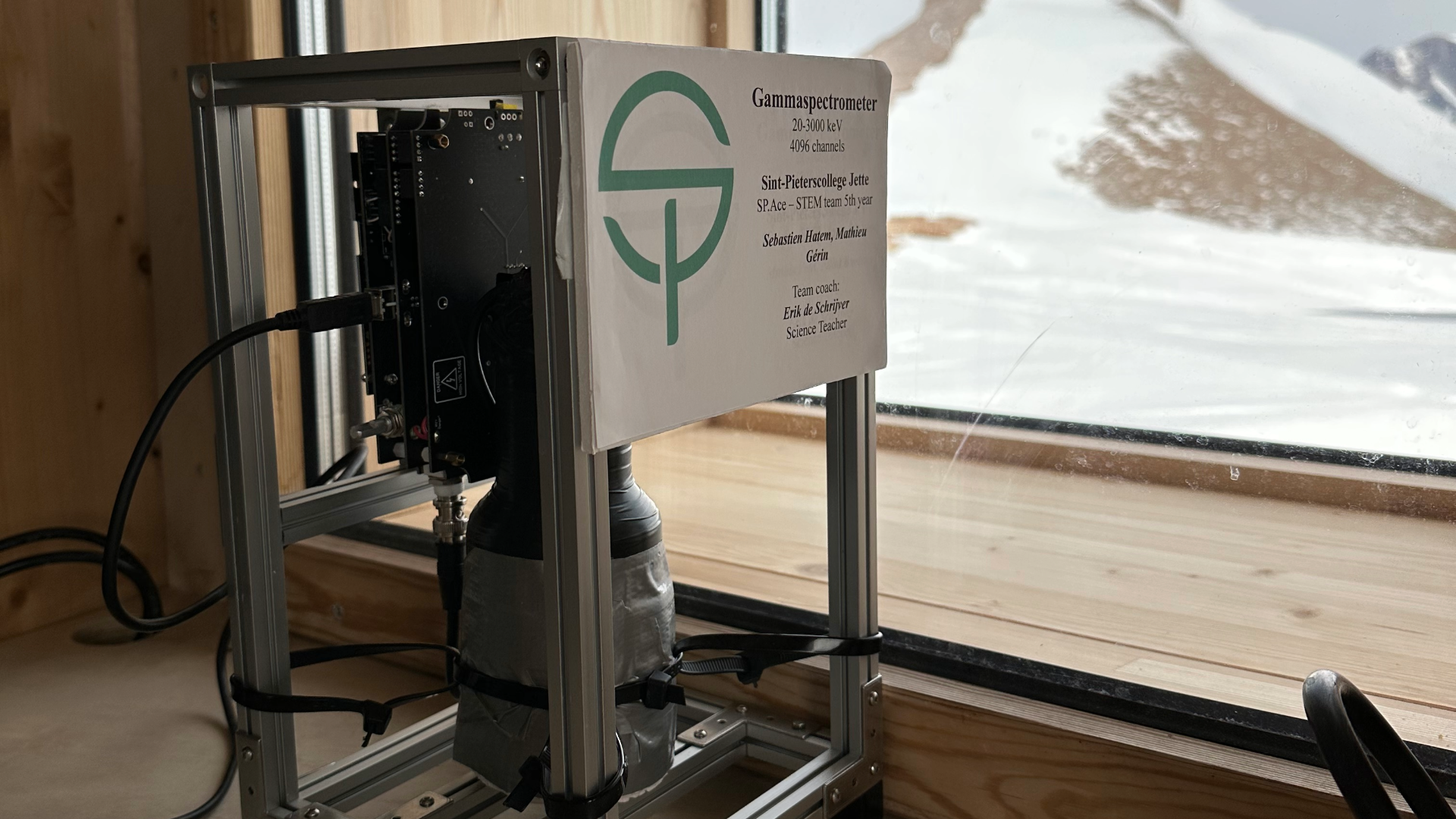
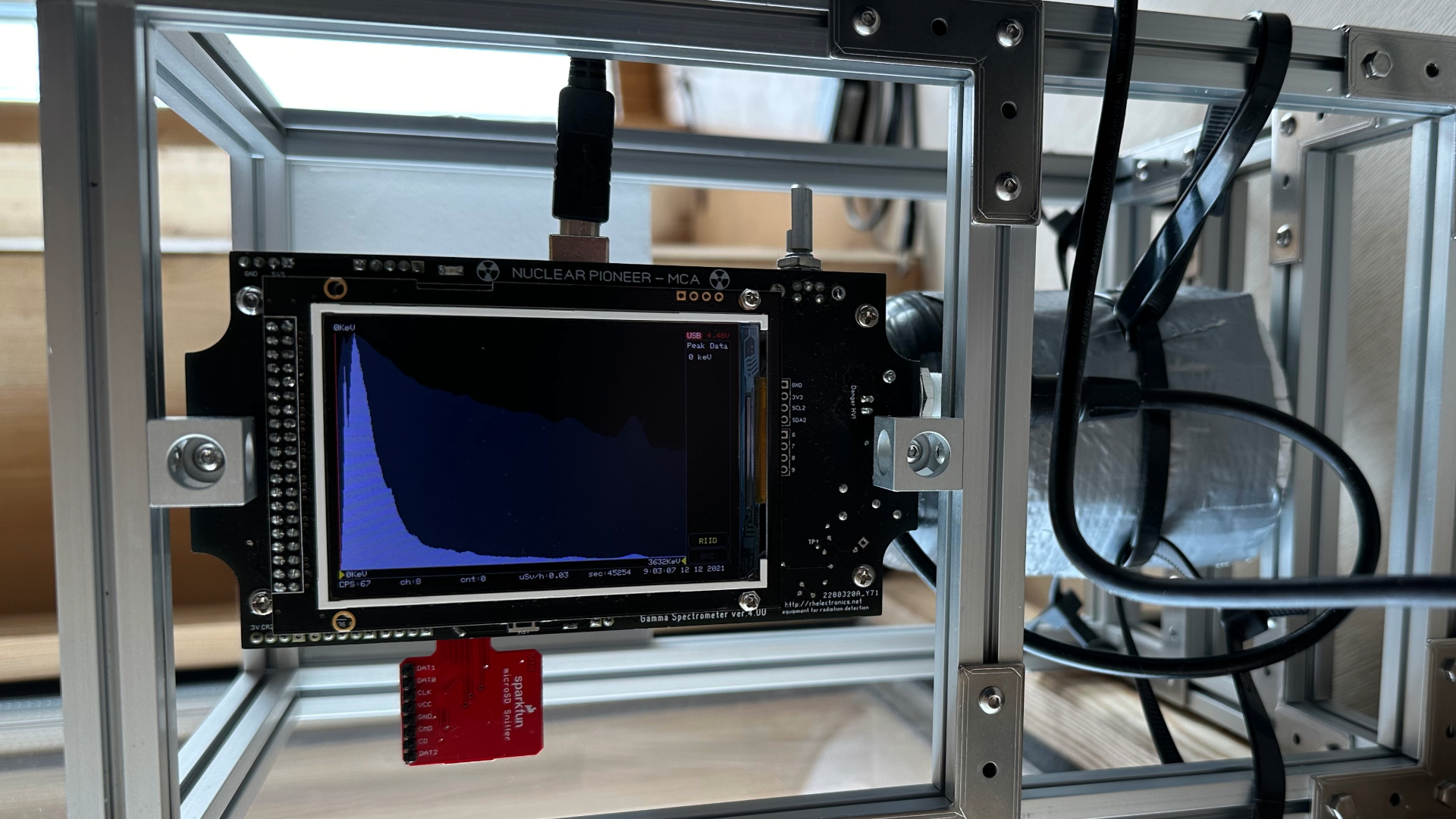
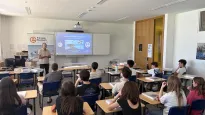
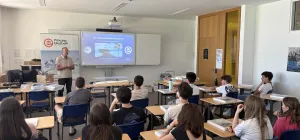
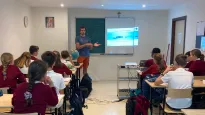
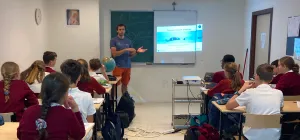
The Gamma Spectrometer project investigates the natural background gamma radiation present in Earth's atmosphere and in space. Developed by Erik de Schrijver and students from Sint-Pieterscollege Jette, the project combines scientific research with education by giving students the opportunity to design, build and operate a scientific instrument in one of the world's most extreme research environments.
The project measures gamma radiation originating from different sources. Some gamma rays are produced by processes in Earth's atmosphere, while others originate from the Sun or from cosmic radiation that continuously reaches our planet from deep space. By analysing these different sources, researchers can improve their understanding of the interactions between cosmic radiation, the atmosphere and Earth's magnetic field.
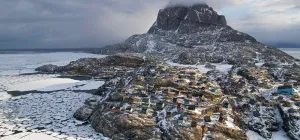
Antarctica is an exceptional location for these observations. Earth's magnetic field directs many charged particles from the solar wind towards the polar regions, making high-latitude sites particularly well suited for studying atmospheric and cosmic radiation. Measurements collected at Princess Elisabeth Antarctica therefore provide valuable information about the behaviour of high-energy particles in the near-Earth environment.
Beyond its scientific objectives, the Gamma Spectrometer project demonstrates how education and scientific research can work hand in hand. By involving students in the development of a real scientific instrument deployed in Antarctica, the project offers a unique opportunity to engage young people in physics, engineering and space science.