


AWDA
The Automatic Whistler Detector and Analyzer (AWDA) project investigates naturally occurring very low frequency (VLF) electromagnetic waves known as whistler waves. These waves are generated by lightning strikes and travel through Earth's magnetosphere along magnetic field lines, allowing them to propagate from one hemisphere to the other. By detecting and analysing these signals, researchers gain valuable insights into the behaviour of Earth's near-space environment.
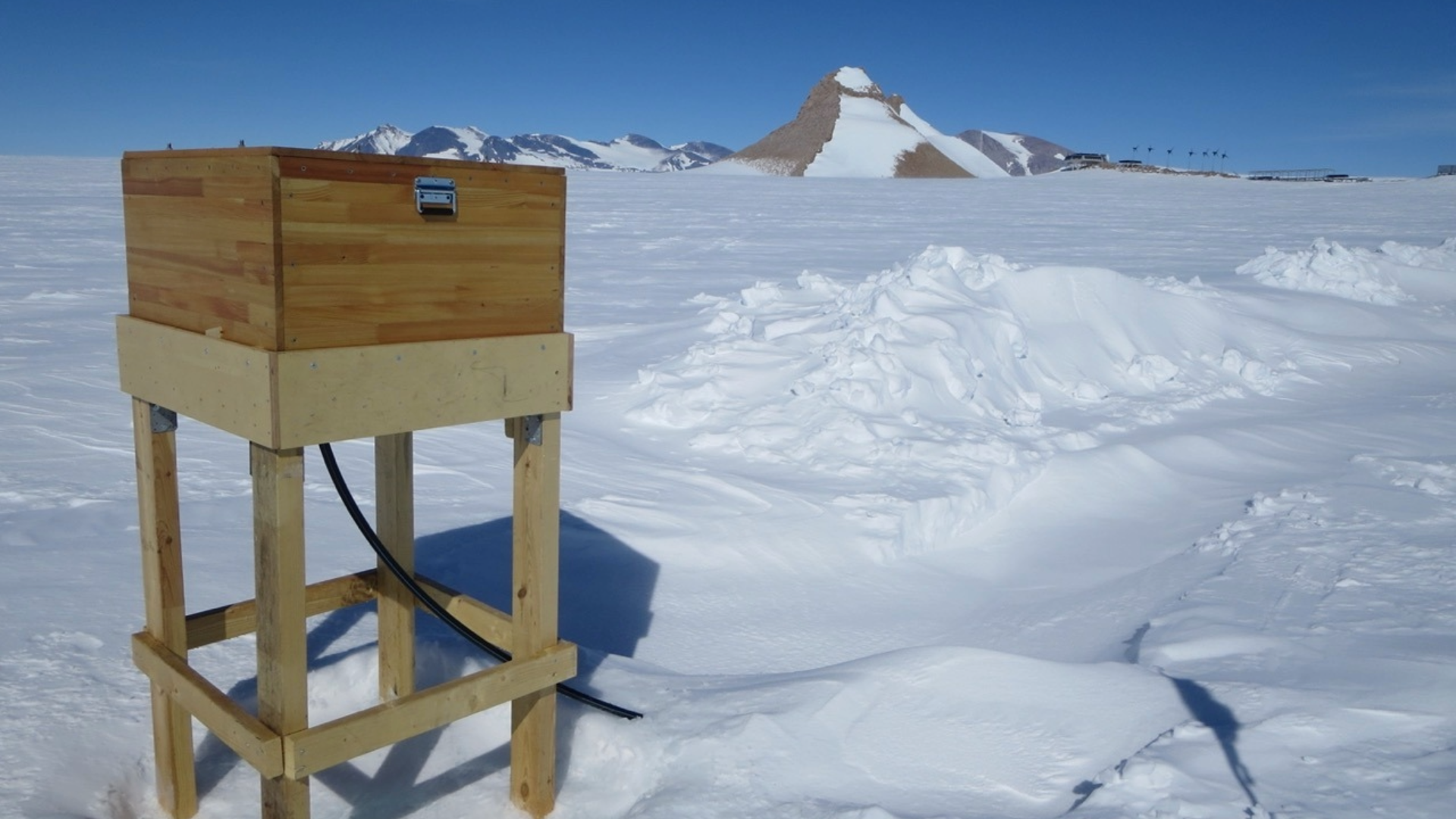
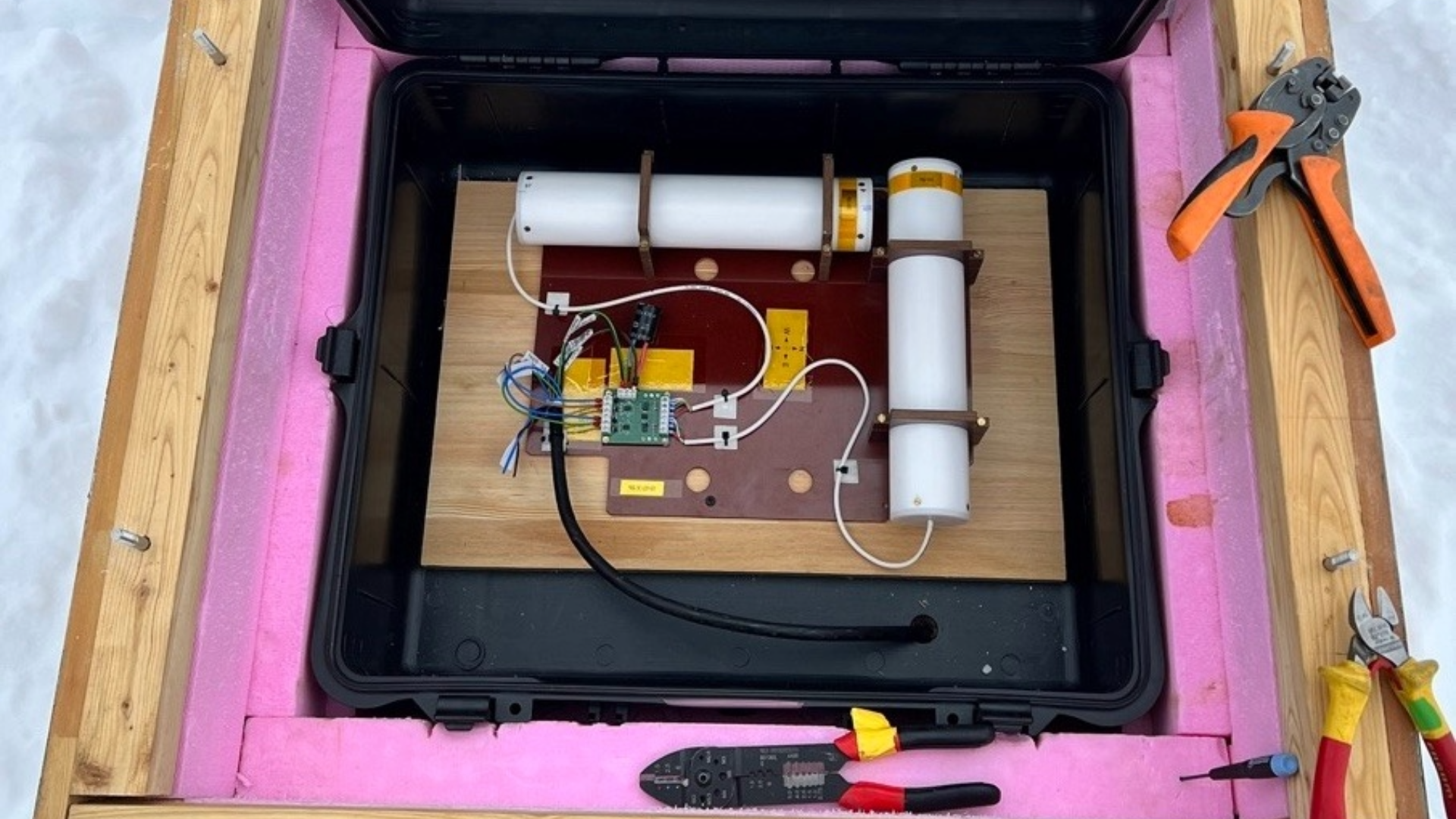
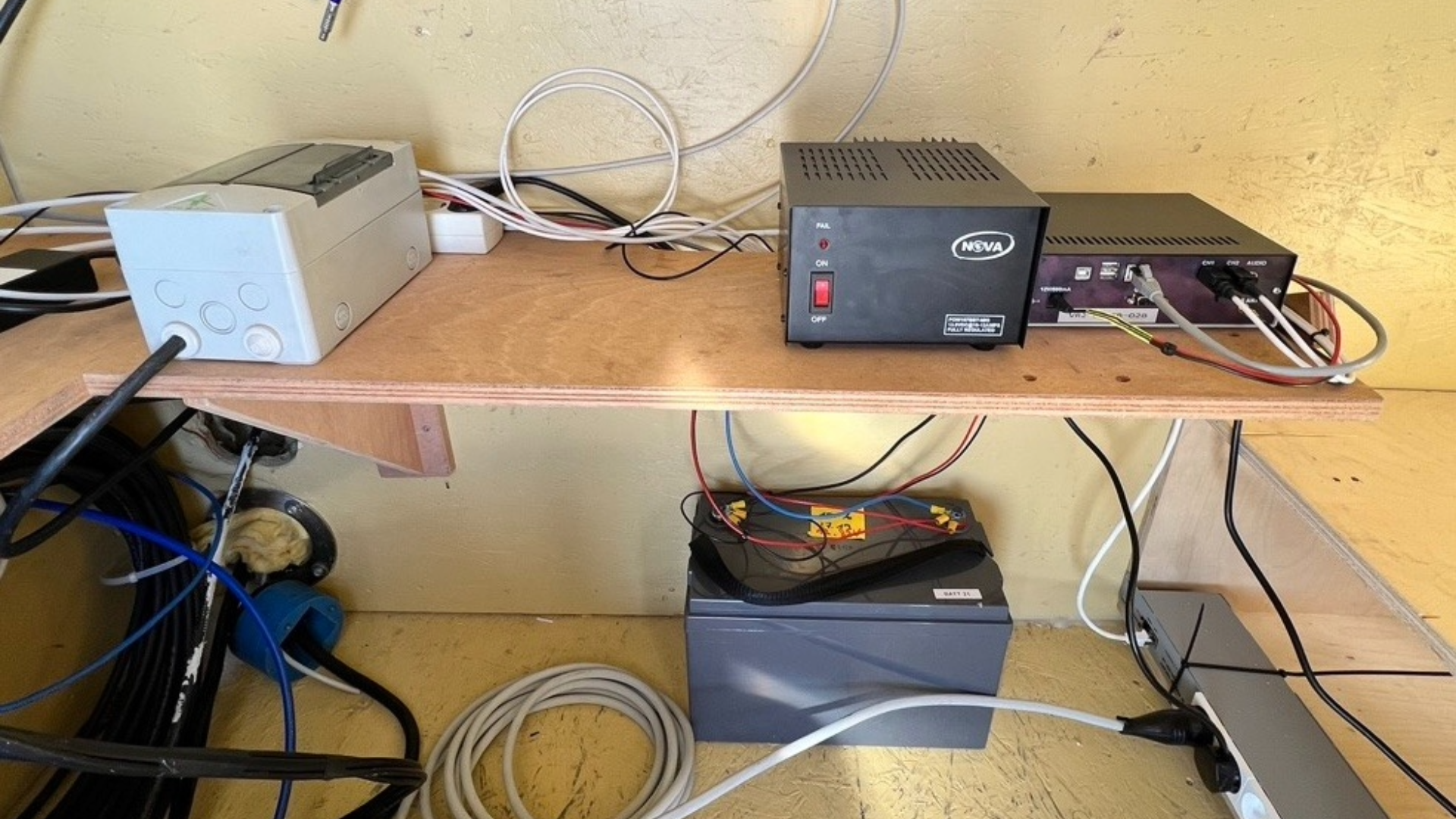
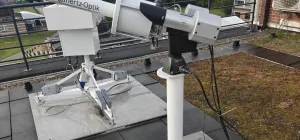
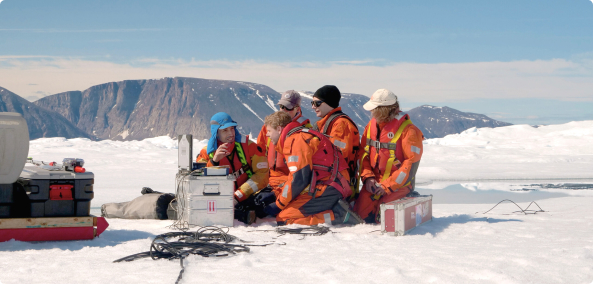
The project is led by the Royal Belgian Institute for Space Aeronomy (BIRA-IASB) in collaboration with Eötvös Loránd University (ELTE) in Hungary. Since 2016, a dedicated VLF magnetic antenna has been operating near Princess Elisabeth Antarctica as part of a global network of monitoring stations. The Antarctic location provides an ideal environment for detecting these naturally occurring electromagnetic signals with minimal interference.
AWDA's primary scientific objective is to improve our understanding of the plasmasphere, the region of Earth's magnetosphere filled with low-energy plasma. Whistler wave observations allow scientists to study the physical processes occurring within this region and to develop more accurate models of the Earth's magnetosphere. These models contribute to research on space weather and the interaction between Earth's atmosphere and near-Earth space.
As part of an international observation network, the Antarctic station continuously records whistler wave activity throughout the year. The long-term dataset produced by the project supports ongoing research into the dynamics of Earth's magnetic environment and contributes to the broader field of space physics.