

Water Production and Treatment
At Princess Elisabeth Antarctica, water is managed according to the same principles that guide every other system at the station: reduce consumption, use local renewable resources, and minimise environmental impact.
Fresh water is one of Antarctica's most valuable resources. Instead of transporting water thousands of kilometres, the station produces its own water by melting Antarctic snow using renewable energy. Every litre is then used carefully, treated after use and, as much as possible, recycled.
This circular approach supports the station's philosophy to reduce the environmental impact of doing polar research while helping to go above and beyond the requirements of the Protocol on Environmental Protection to the Antarctic Treaty (Madrid Protocol), which aims to preserve Antarctica's unique and pristine environment for future generations.
Compared with everyday life in Europe, water consumption at Princess Elisabeth Antarctica is remarkably low. Each person uses approximately 35–45 litres of water per day, compared with around 100 litres in Belgium and well over 150 litres across much of Europe.
An advanced wastewater treatment system allows virtually all wastewater generated at the station to be treated before discharge or reuse, significantly reducing both environmental impact and the amount of fresh snow that must be melted.
Water Production and Distribution
Producing Water from Snow
Unlike most buildings in the developed world, Princess Elisabeth Antarctica has no rivers, lakes or groundwater available. Instead, its water begins as one of Antarctica's most abundant natural resources: snow.
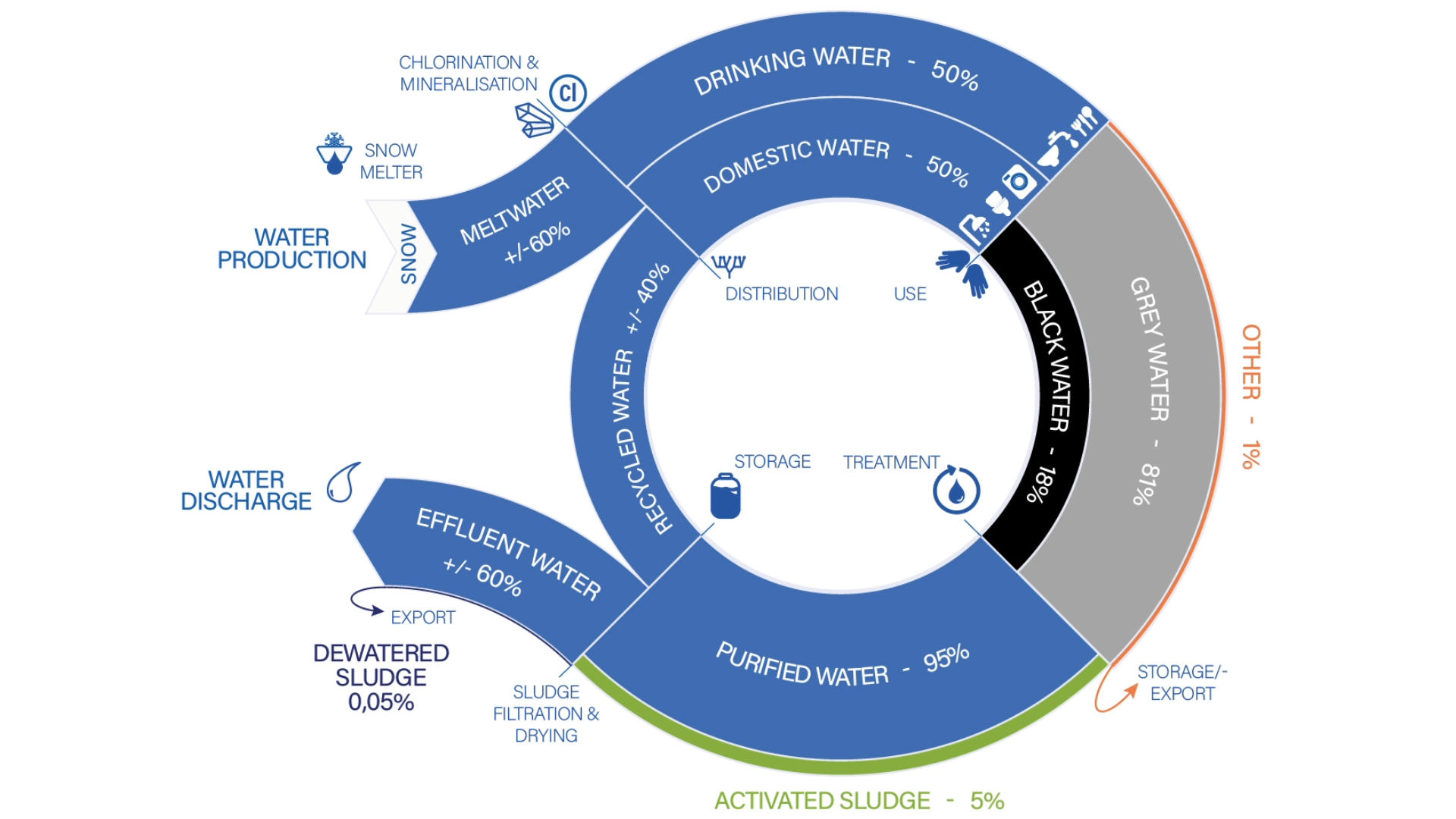
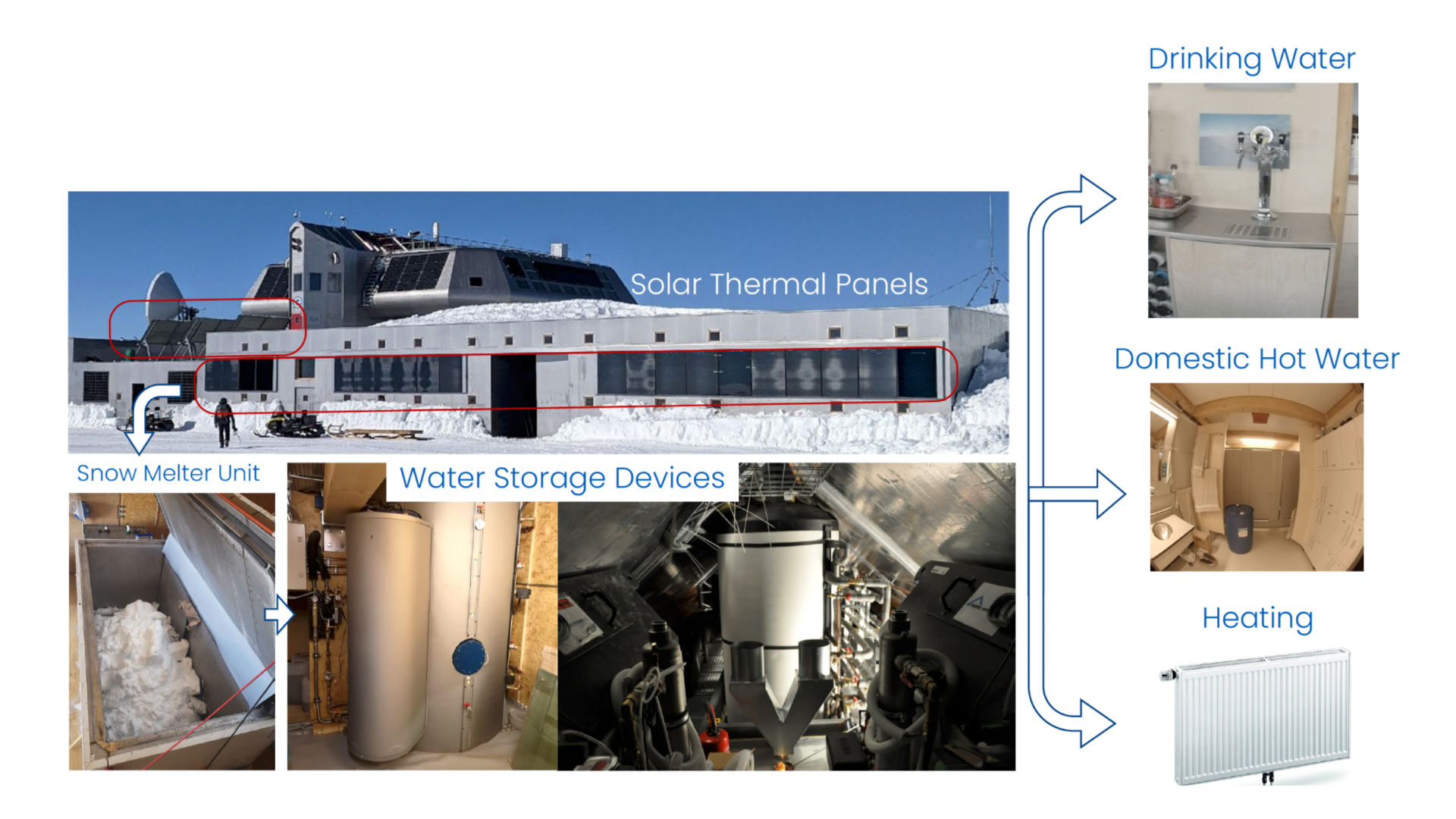
Snow is collected near the station and transported to an insulated snow melter. Rather than relying on fossil fuels, the melting process is powered primarily by solar thermal collectors, which contain a liquid that is heated directly by sunlight. Thermal collectors are considerably more efficient at producing heat than photovoltaic panels are at producing electricity, making them ideal for melting snow.
Once melted, the water is stored in insulated tanks before being distributed throughout the station. These storage tanks also act as thermal energy storage, allowing heat collected during sunny periods to be retained for later use, as water has a very high specific heat capacity.
In this way, storing water also means storing renewable energy.
Producing Safe Drinking Water
Antarctic snow is exceptionally pure. It contains almost none of the minerals naturally present in drinking water elsewhere in the world.
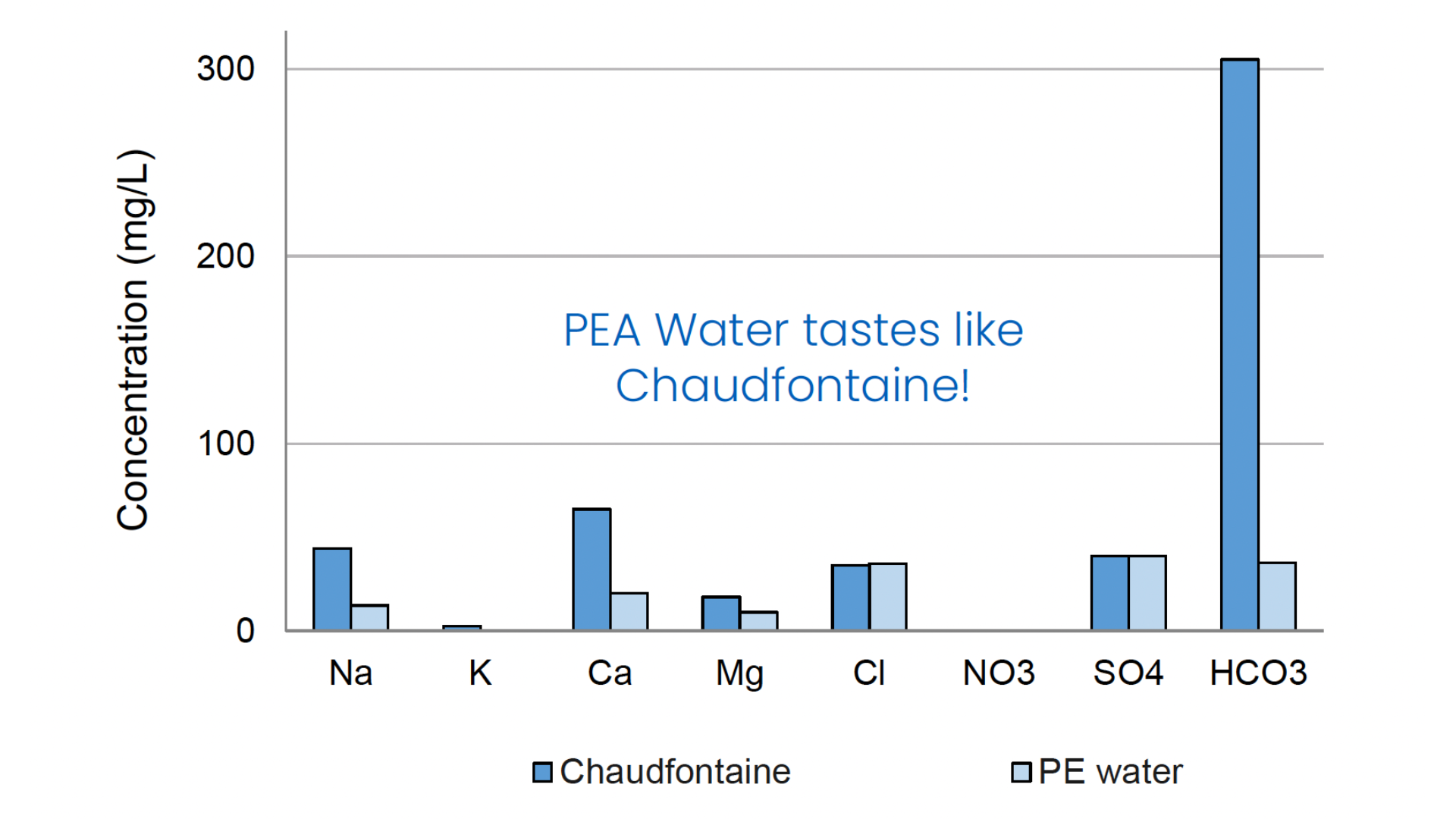
To make the water suitable for everyday consumption, the station automatically adds carefully controlled amounts of essential minerals, primarily calcium and magnesium. This produces healthy drinking water with mineral characteristics comparable to those found in commercial mineral waters.
A very small amount of chlorine is also added to ensure microbiological safety throughout the distribution system.
Producing drinking water, however, is only the first step. The much greater challenge is ensuring that every litre of water used at the station can be safely treated afterwards.
Water Treatment and Reuse
Why Treat Wastewater?
Every person at Princess Elisabeth Antarctica generates around 55 litres of wastewater each day from showers, sinks, kitchens, laundry and toilets.
Simply discharging untreated wastewater is not an option. Instead of treating wastewater as waste, Princess Elisabeth Antarctica sees it as a valuable resource. The station's advanced treatment system cleans the water, recovers and dramatically reduces the amount of waste that has to leave Antarctica.
How the Treatment Process Works
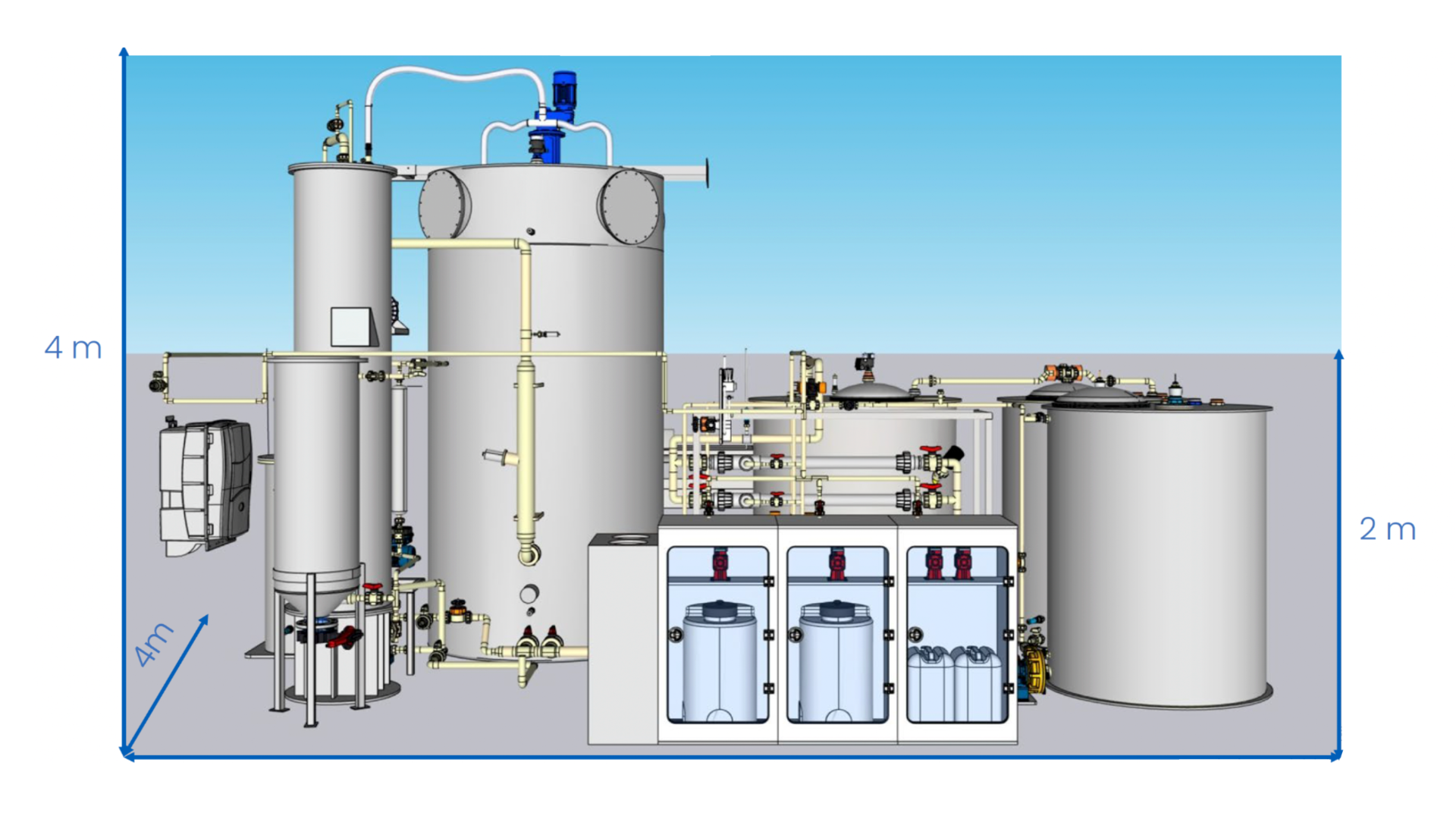
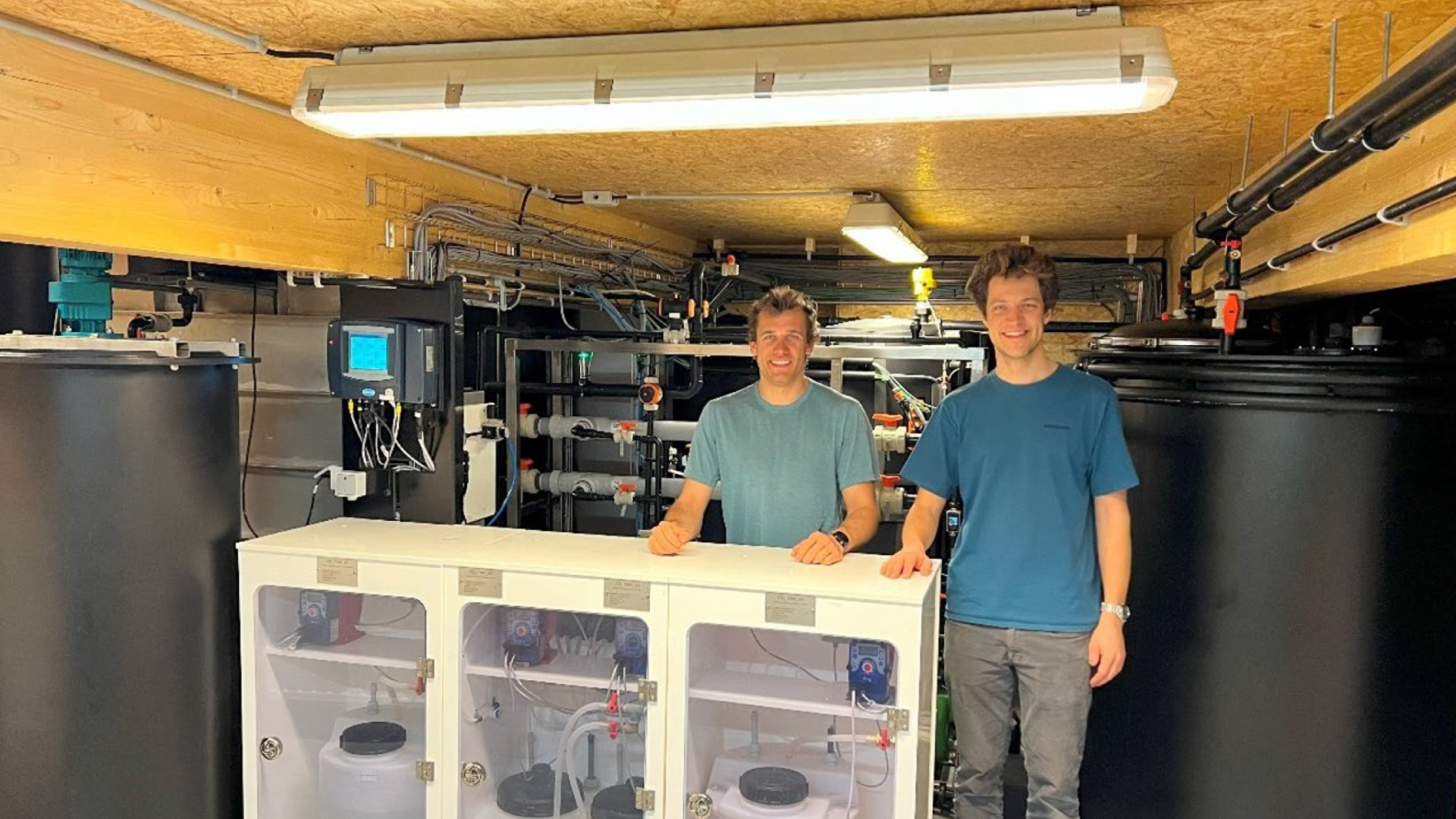
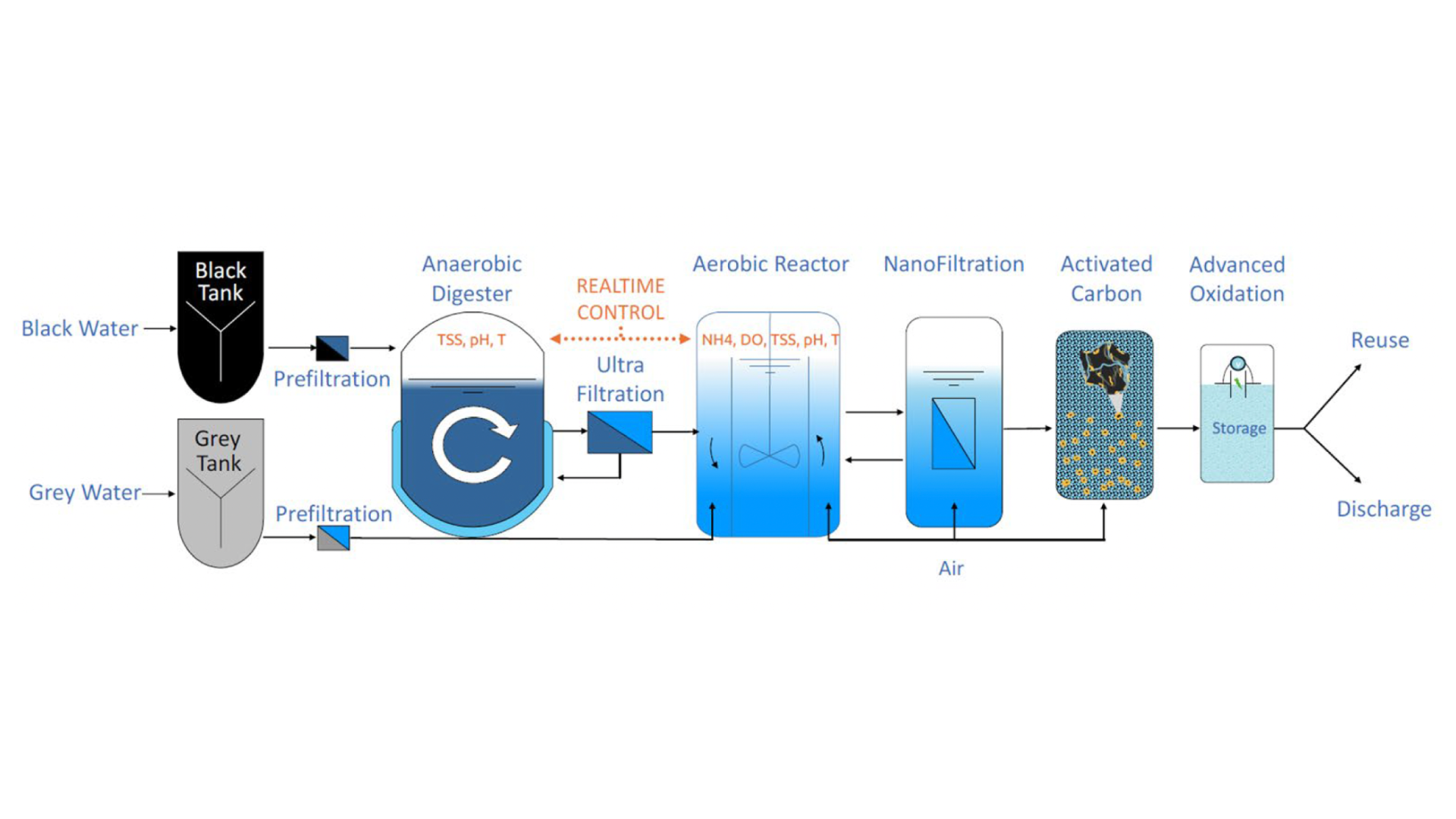
Wastewater from the station is separated into grey water (showers, sinks, kitchens and laundry) and black water (toilets). After a first pre-filtration step, both streams enter a multi-stage treatment process.
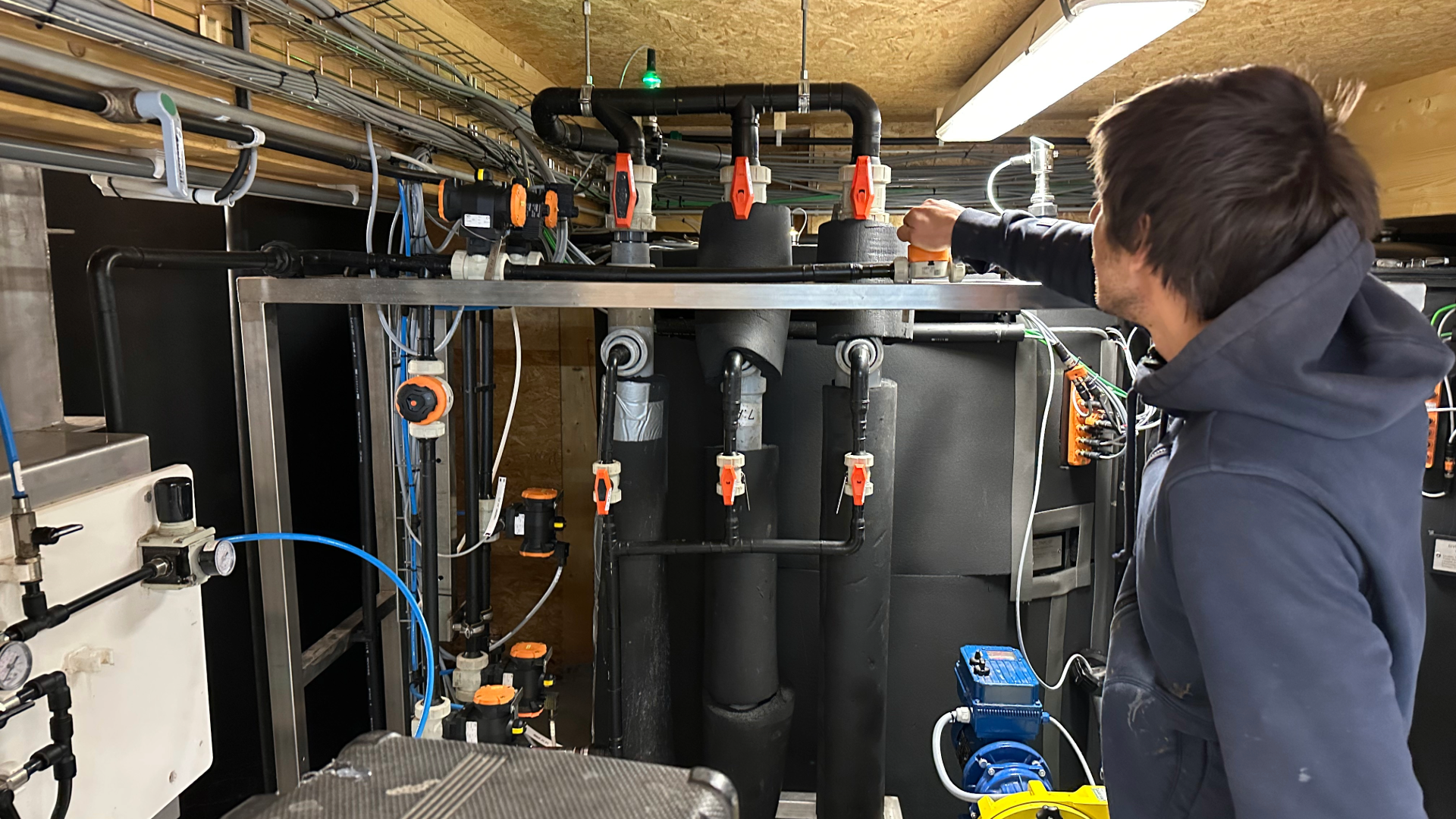
The heart of the system is a series of biological reactors, where naturally occurring microorganisms break down organic matter in the wastewater. The water is then further purified through membrane filtration, removing remaining particles, organic compounds and microorganisms.
Throughout the process, part of the biological sludge is continuously returned to the reactors, allowing the microorganisms to keep working efficiently while producing very little waste.
The result is high-quality purified water that can either be safely reused at the station.
From Wastewater to Valuable Resources
The treatment process recovers almost everything that enters the system.
Around 95% becomes purified water.
Around 5% remains as activated sludge, much of which is continuously reused within the biological process.
Only a tiny fraction ends up as dried sludge, reducing the original wastewater volume by 2000 to 3000 times.
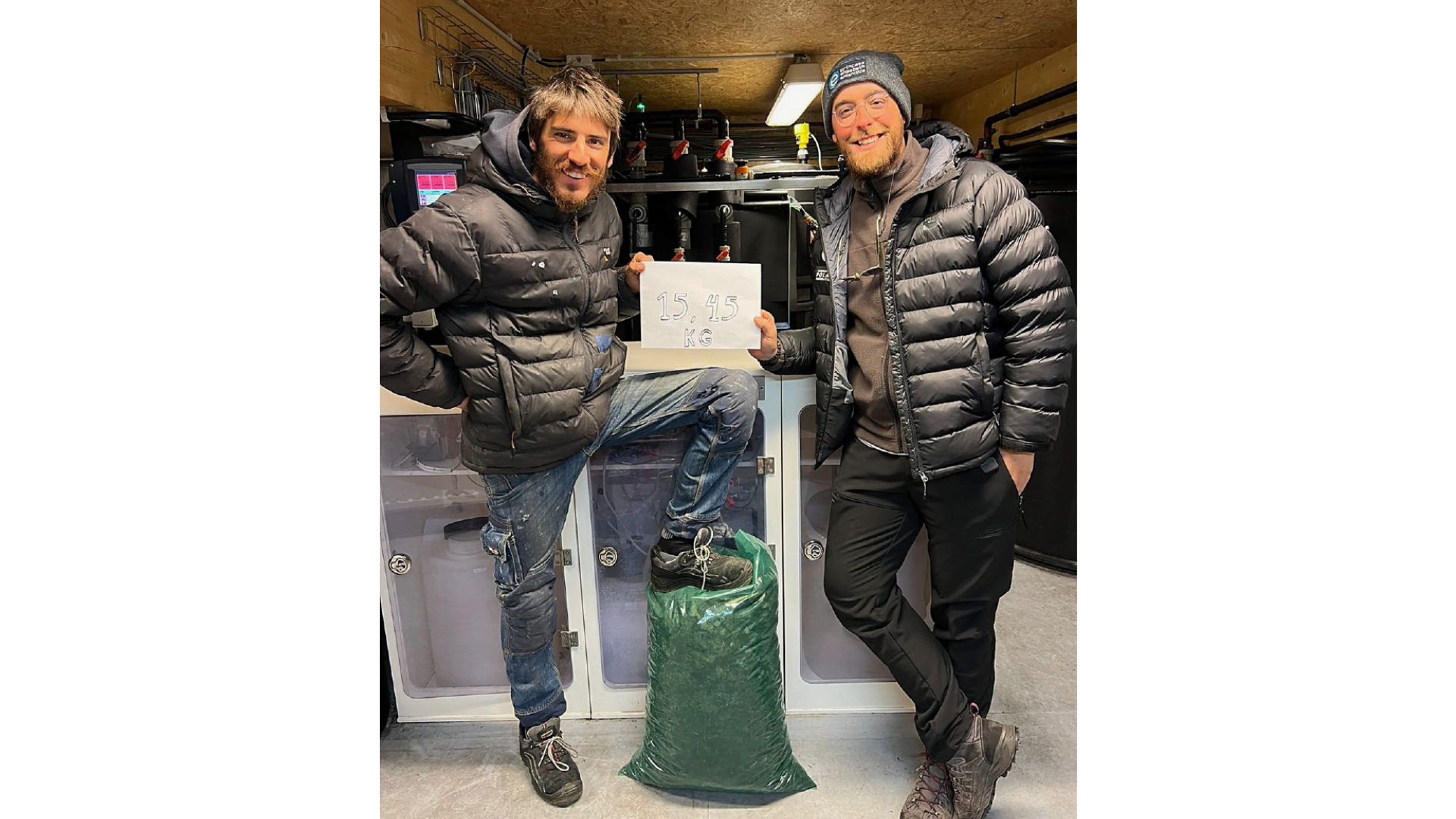
After an entire Antarctic summer season, all remaining waste solids fit into one small bag of approximately 15 kg, making transporting waste out of Antarctica simple and environmentally responsible.
Water Reuse and Energy Savings
Much of the purified water is reused for applications such as toilet flushing, cleaning and laundry, reducing the need to produce fresh water from snow.
Recycling water also requires significantly less energy than melting new snow, typically four to five times less. Every litre that is reused therefore saves both water and renewable energy.
By combining efficient water production with advanced treatment and reuse, Princess Elisabeth Antarctica closes the water cycle as much as possible. This circular approach reduces waste, lowers energy consumption and helps preserve Antarctica's unique environment for future generations.